


Arborvitae Tree
Ash Tree
Ash Tree Images
Apple Trees
Apple Tree Pics
Apricot Tree
Aspen Tree
Bald Cypress
Beech Tree
Birch Trees
Black Tupelo
Butternut Trees
Catalpa Tree
Cedar Trees
Cedar Tree
Cherry Trees
Cherry Tree
Chestnut Trees
Chestnut Tree
Christmas Trees
Coffee Tree
Cypress Tree
Dogwood Trees
Douglas Fir Tree
Ebony Tree
Elm Tree Pics
Fir Tree Photos
Ginkgo Bilobas
Ginkgo Biloba
Hackberry Trees
Hawthorn Trees
Hawthorn Tree
Hickory Trees
Honey Locust
Horse Chestnut
Lilac Tree
Lilac Shrub
Linden Tree Pics
Magnolia Trees
Maple Trees
Maple Tree
Maple Japanese
Monkey Trees
Mountain Ash
Oak Trees
Oak Tree Pics
Olive Trees
Olive Tree
Orange Trees
Palm Trees
Palm Tree
Peach Tree Pics
Peach Tree
Pear Trees
Pecan Tree
Pecan Trees
Plum Trees
Pine Trees
Pine Tree Photos
Poplar Tree
Poplar Tree Pics
Redbud Trees
Redbud Tree
Red Oak Trees
Redwood Trees
Sassafras Trees
Sequoia Trees
Silverbell Tree
Spruce Trees
Sycamore Tree
Tree Types
Walnut Trees
Willow Trees
Willow Trees
Zelkova Tree
Trees
Tree Service
Tree Stumps
Tree Quotes
Forest Pictures
Bird Houses
Bluebells
Magnolia Flowers
Rhododendrons
Roses
Rose Pictures
Forest Animals
Impressive Trees
Tree Wallpapers
Type of Tree Fun
Fun Tree Photos
Tree Pictures Blog
Tree Picture Map
Cedar Tree Pictures
Cedar Tree category contains many pictures of cedar trees, useful information about cedar trees, cedar wood photos, types of cedar trees, facts, cedar tree references to the cedar tree evergreen species.
Cedar Tree Images
Consists of two pages of cedar tree images, with an impressive cedar tree photos feature page.
Show a Cedar Tree
View cedar images by word, such as cedar type, species, bark, leaf, wood ... follow to cedar tree key word images.
Cedar Tree Photos
To view each cedar tree image in full size, just click on the photo you like, to enlarge the tree picture.
Cedar Facts
Cedar Facts follow to cedar tree facts section. Cedar Tree comments can be found at cedar tree comments
Tree Galleries
Tree photo categories on the left will link you to a specific tree category which will provide you with lots of pictures, facts and info about that tree type. Enjoy these pictures of cedar trees.
Cedar Tree Pictures: Photo Library of Cedars
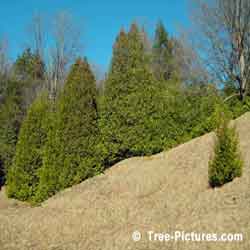
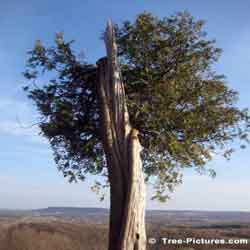
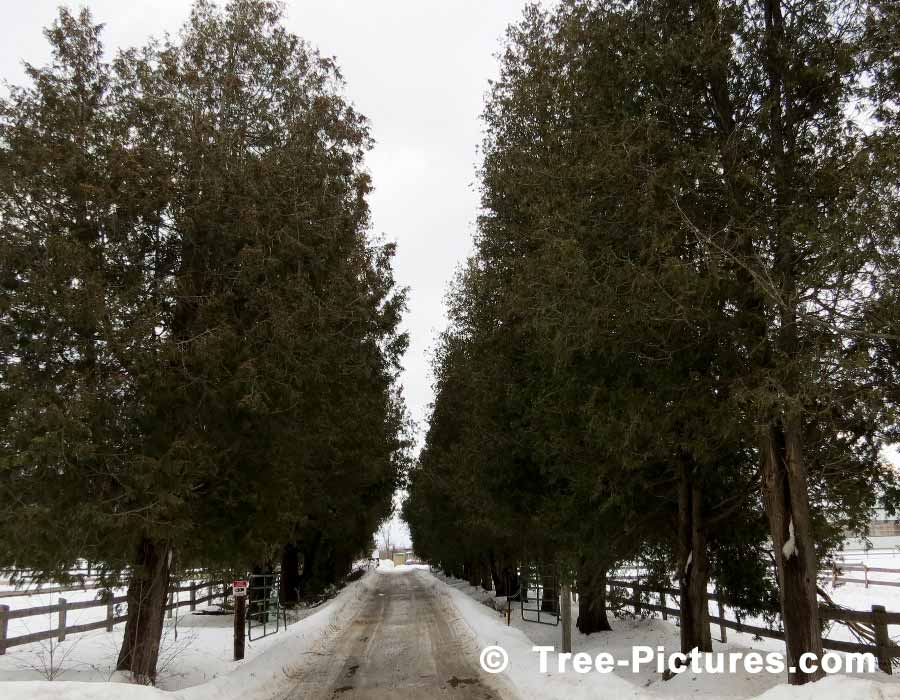
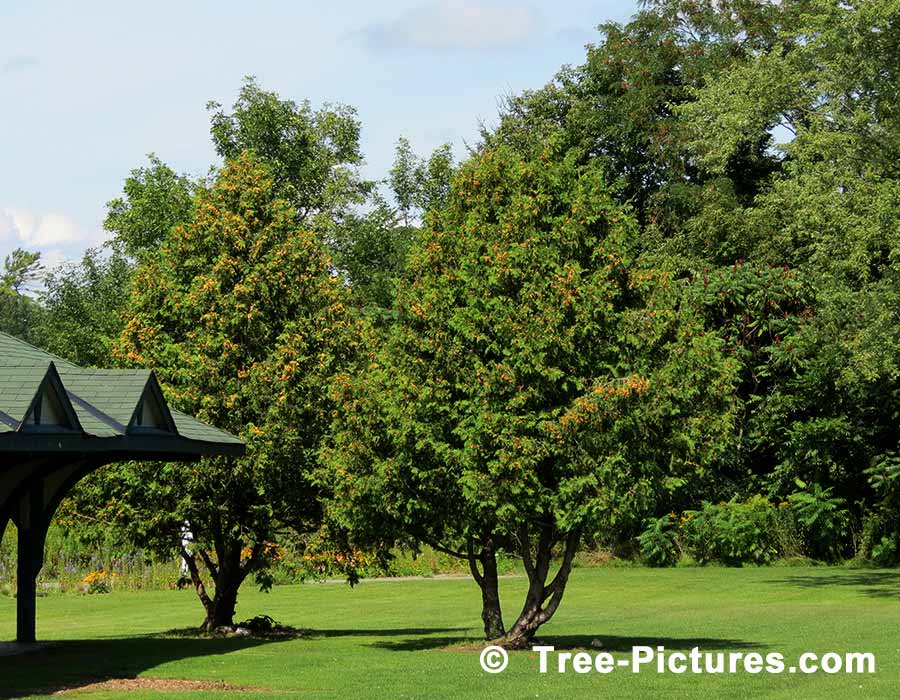
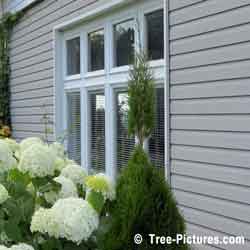
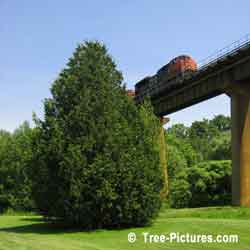
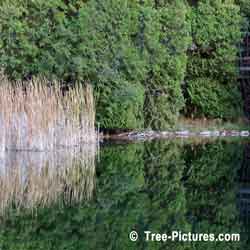
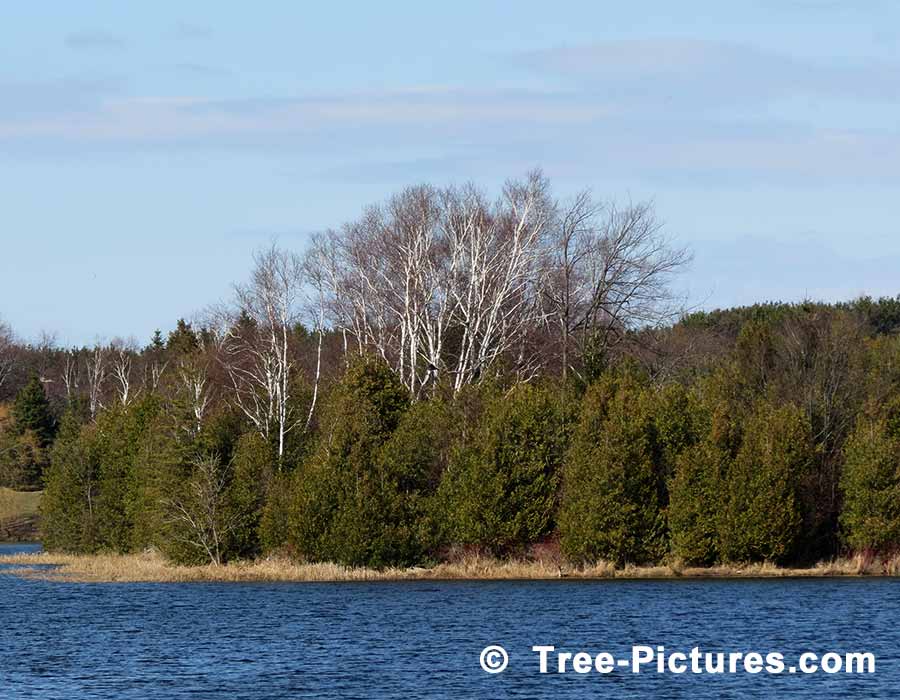
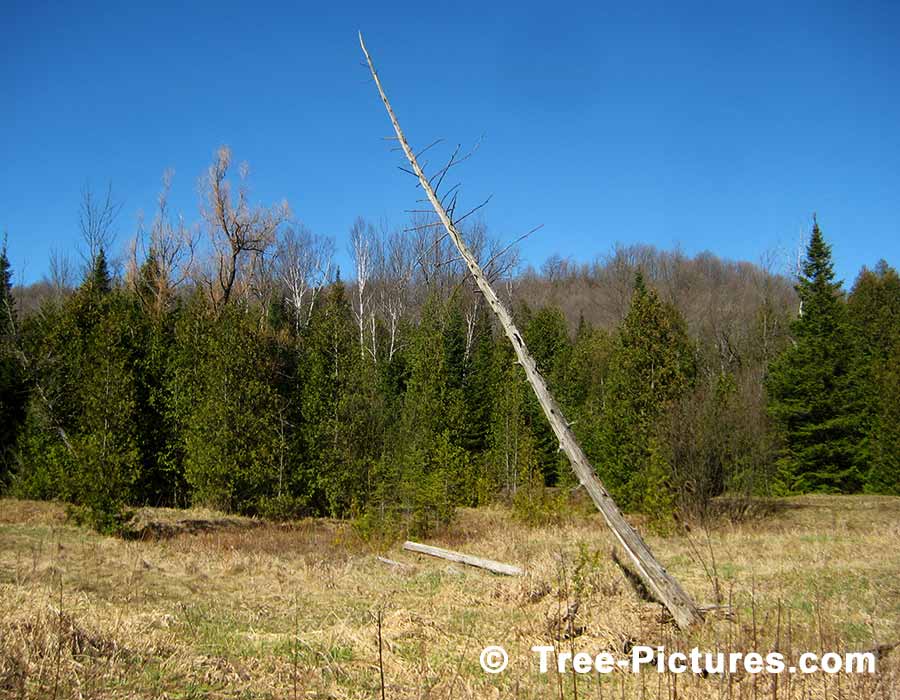

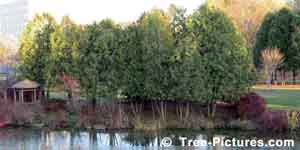
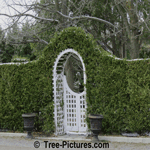

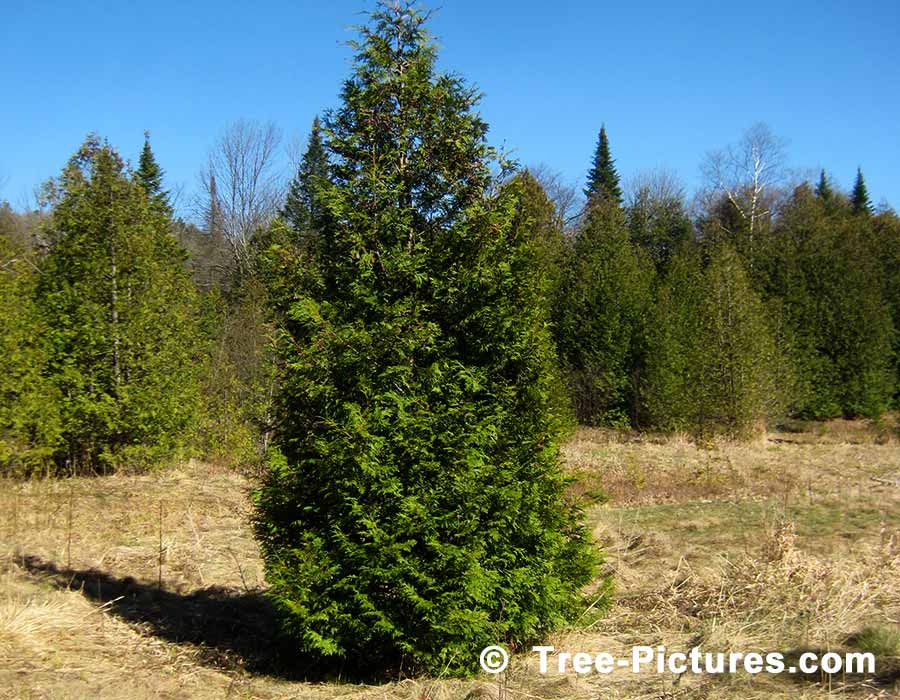
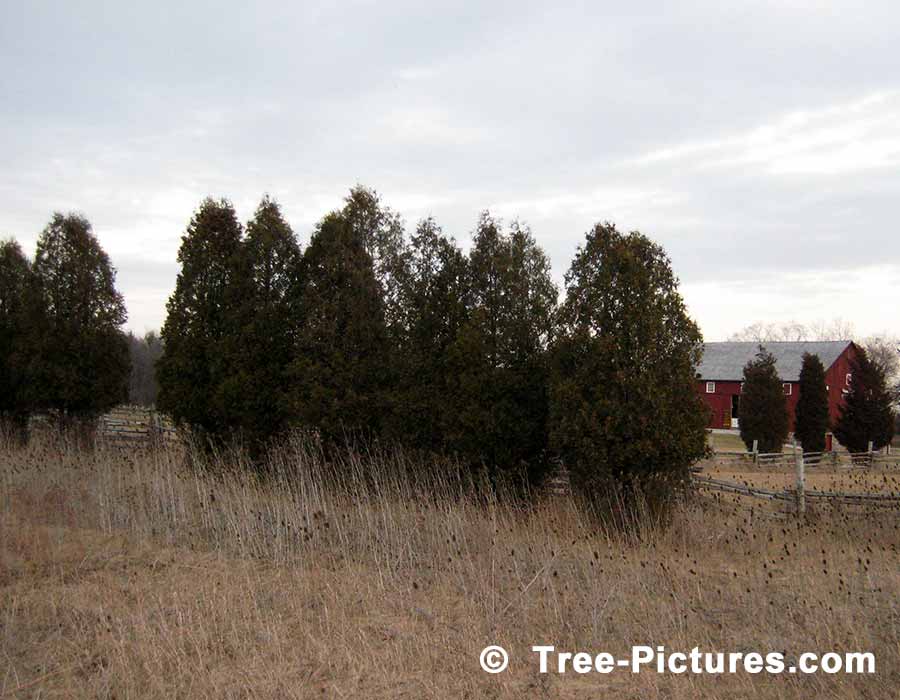
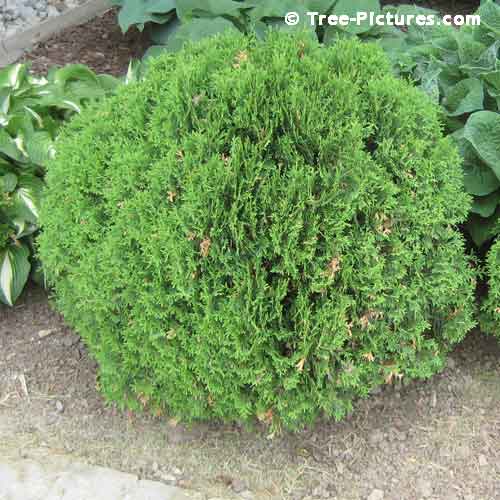
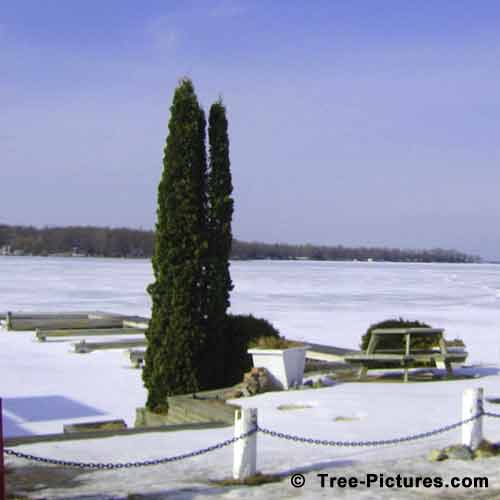
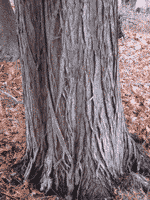
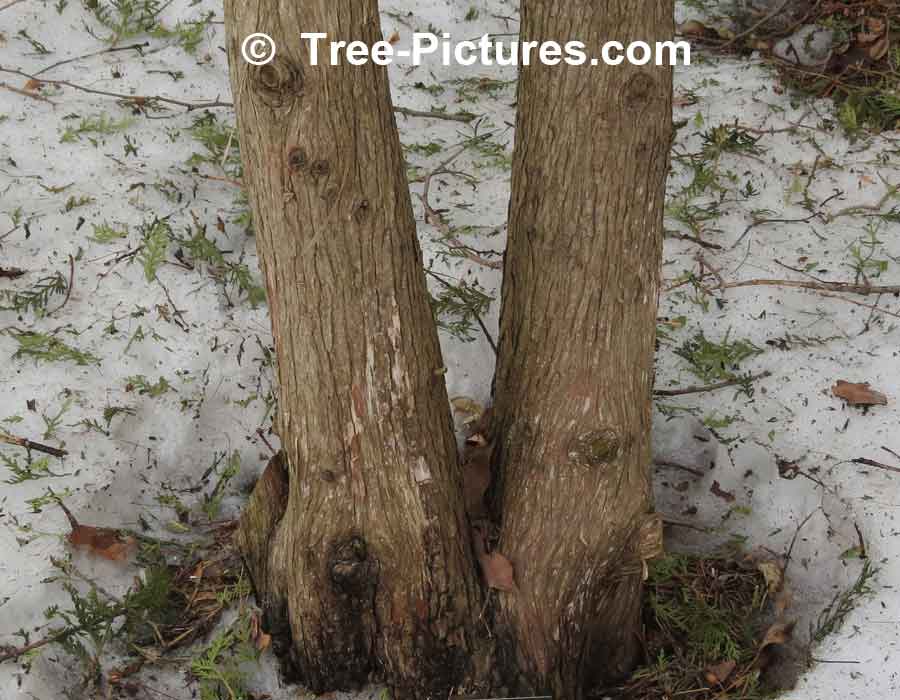
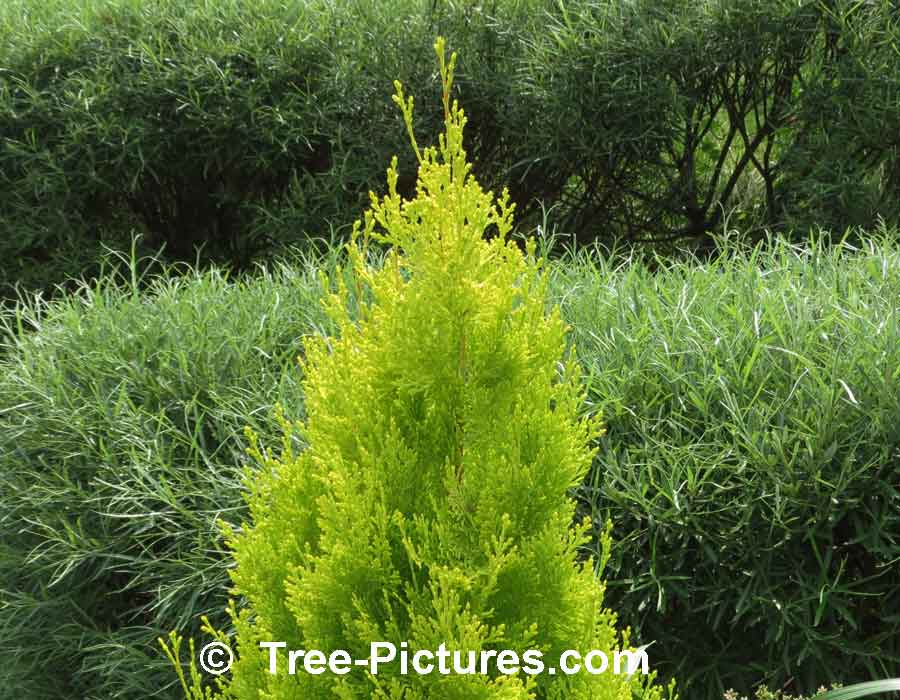
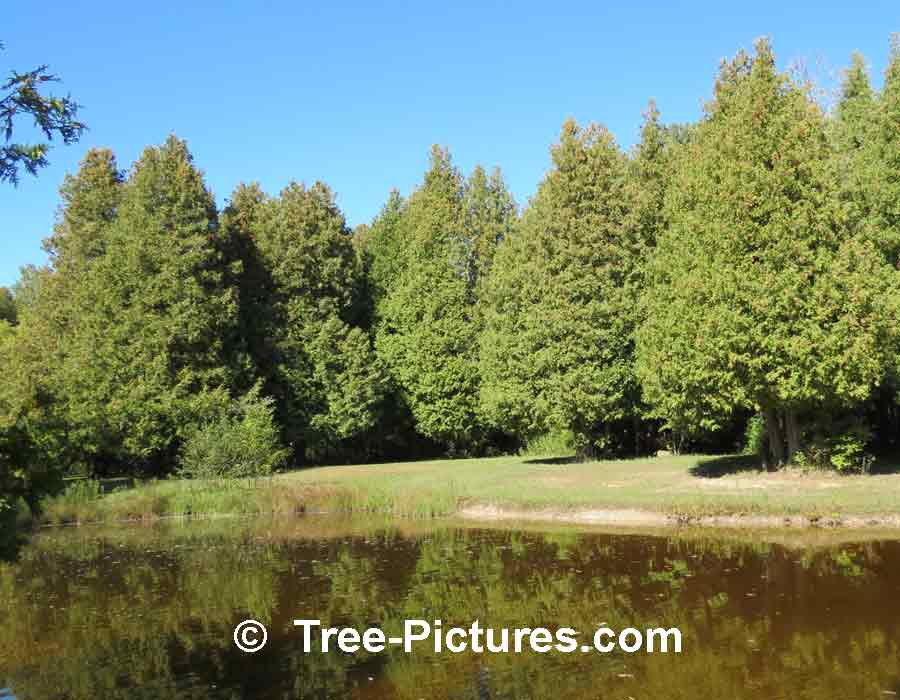
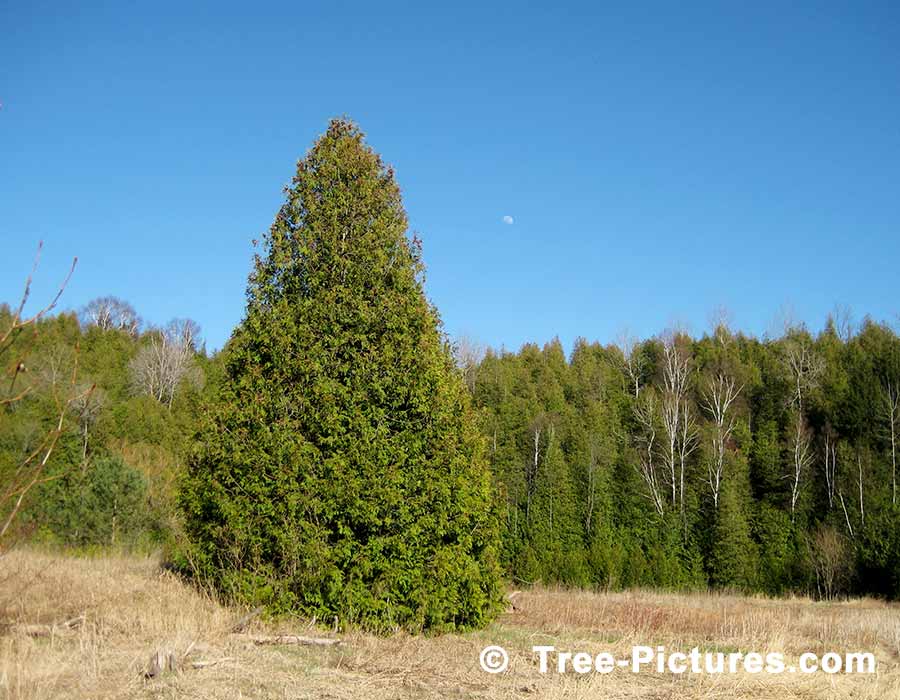
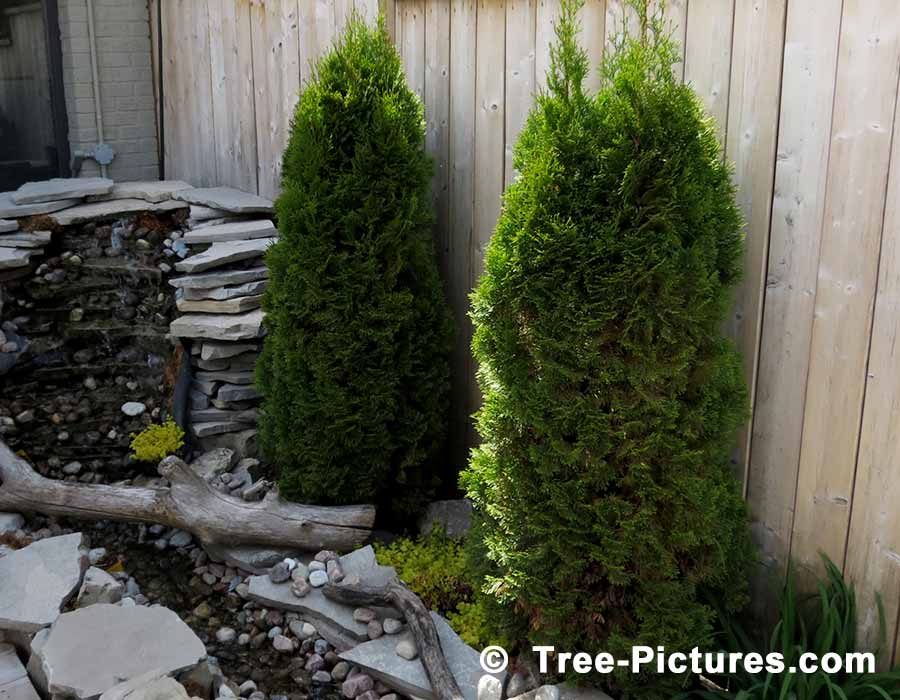
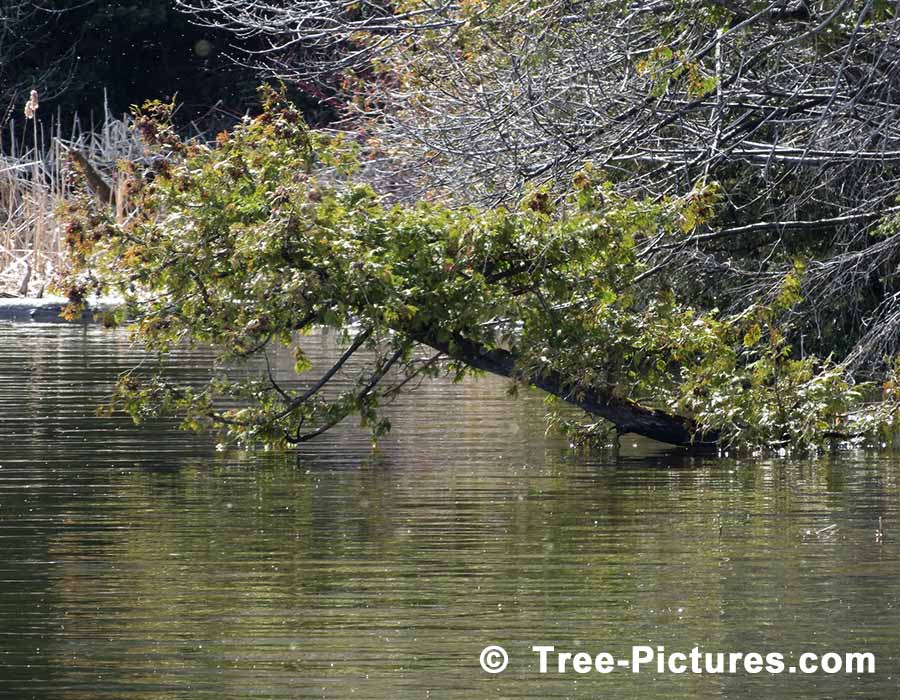
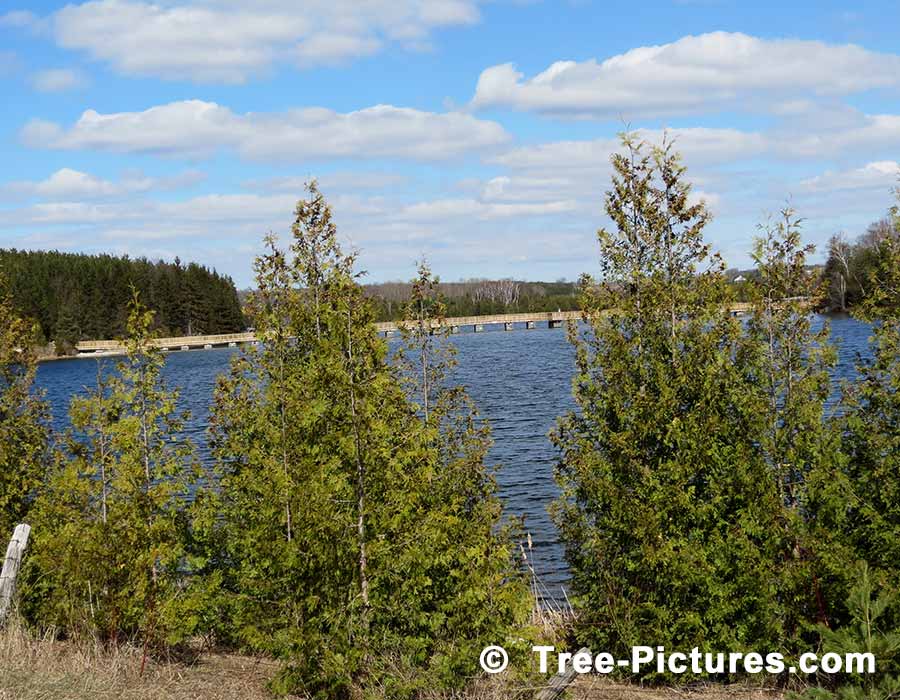
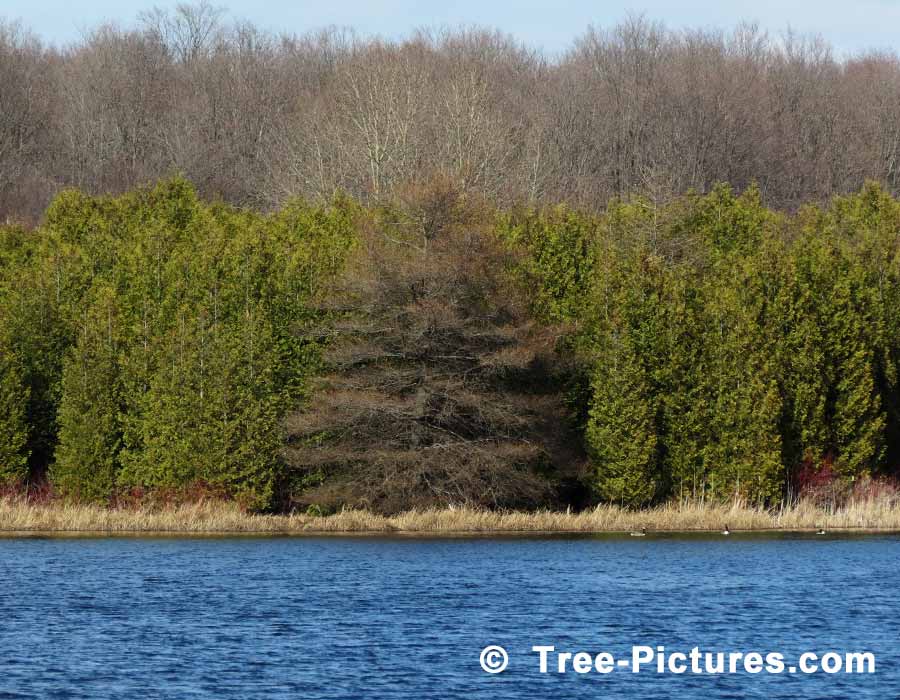
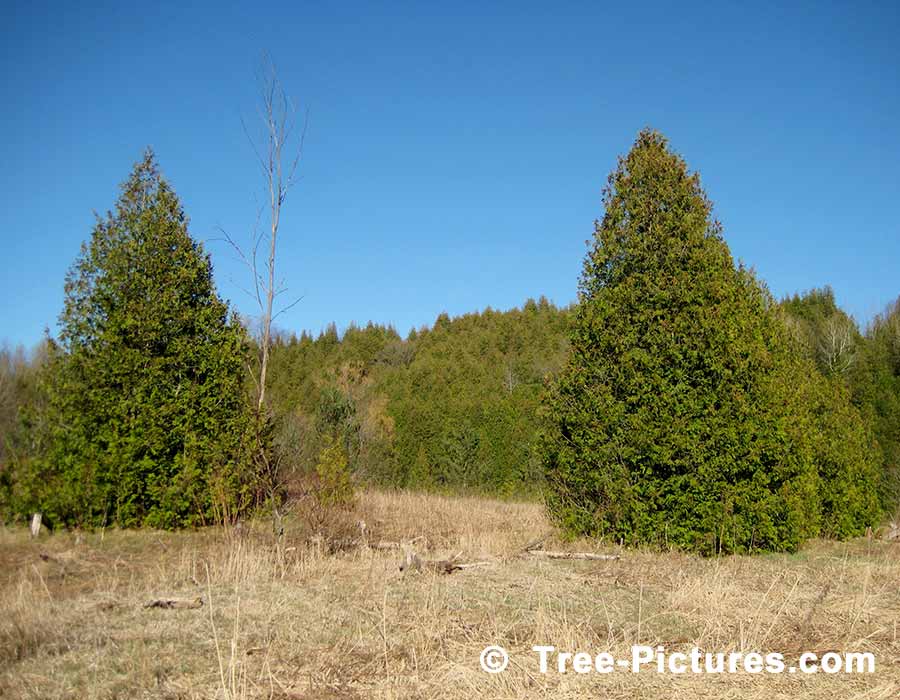
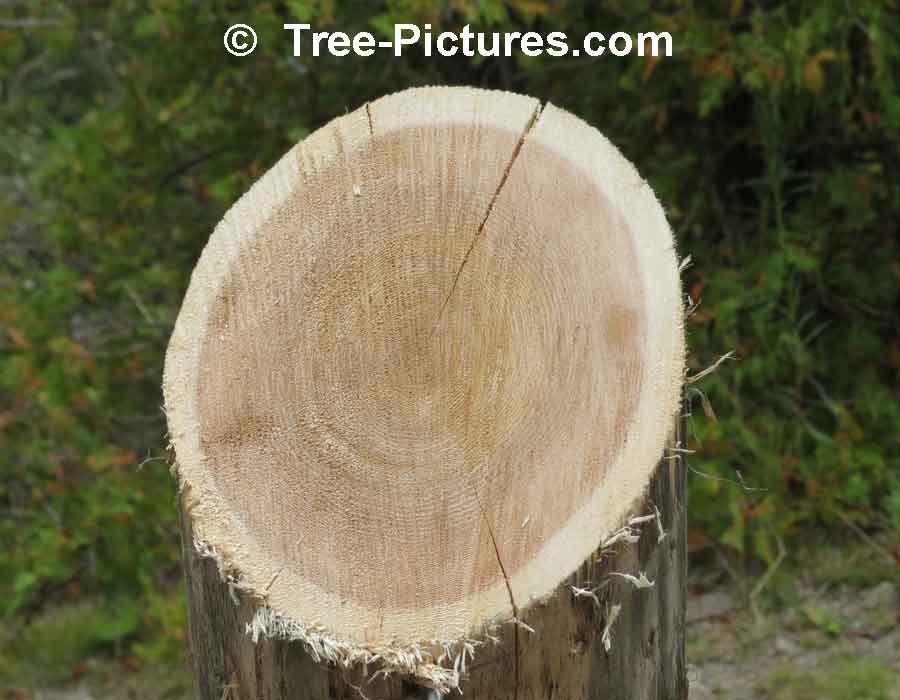
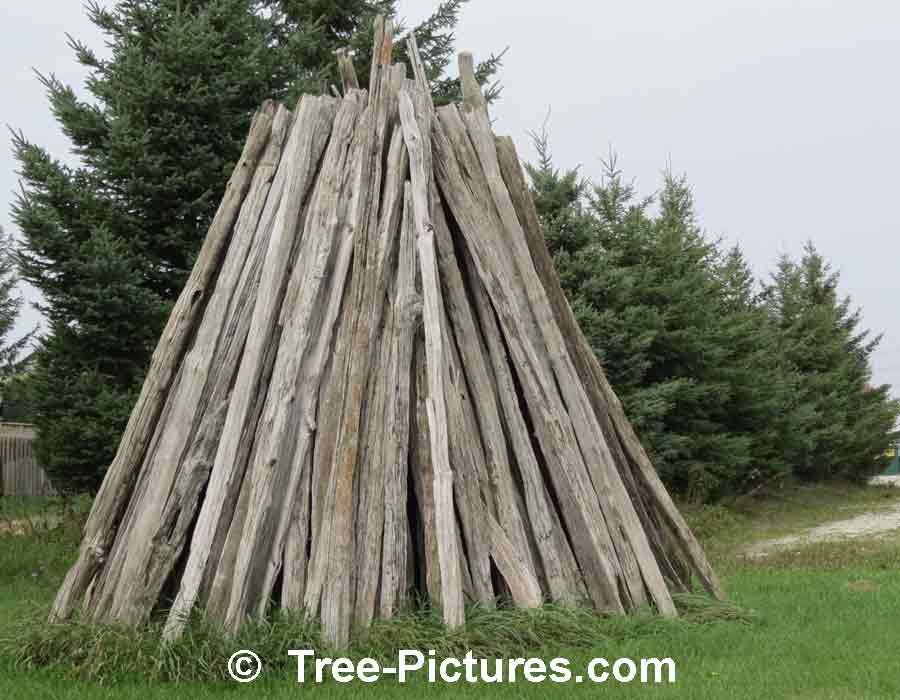
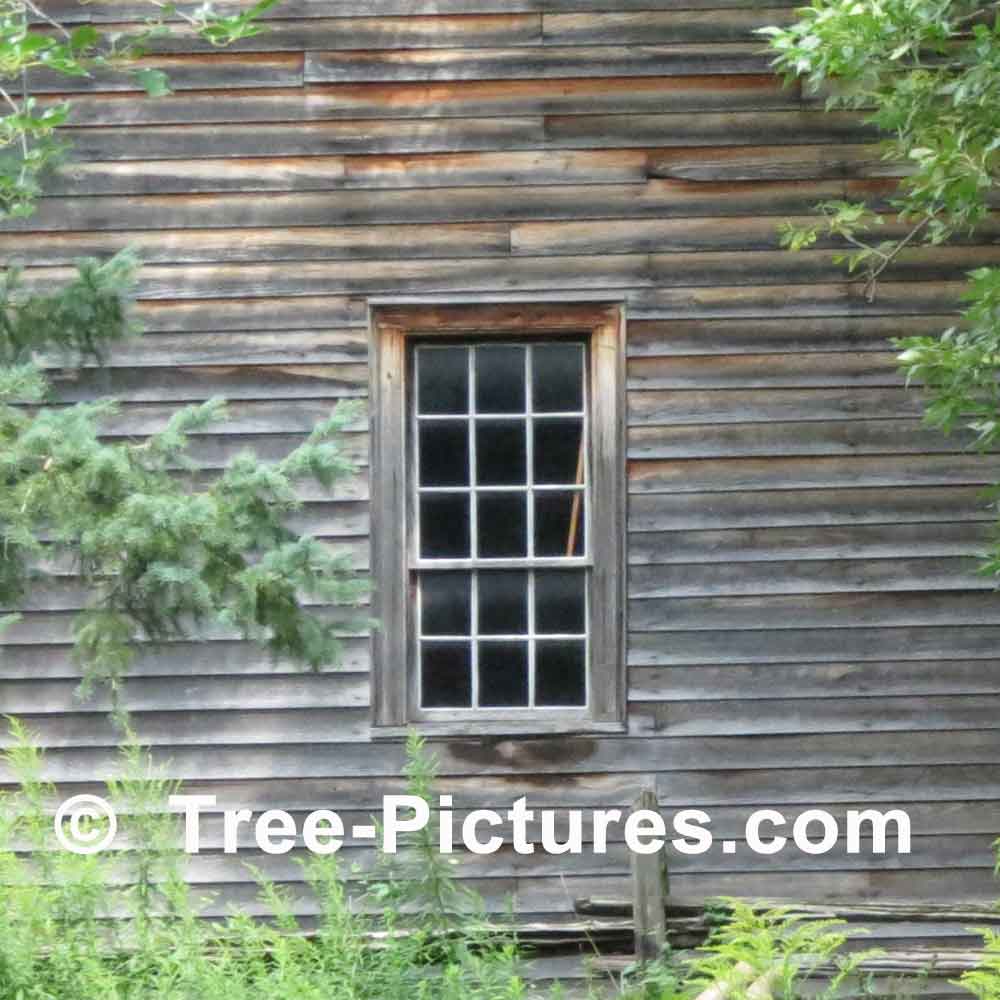
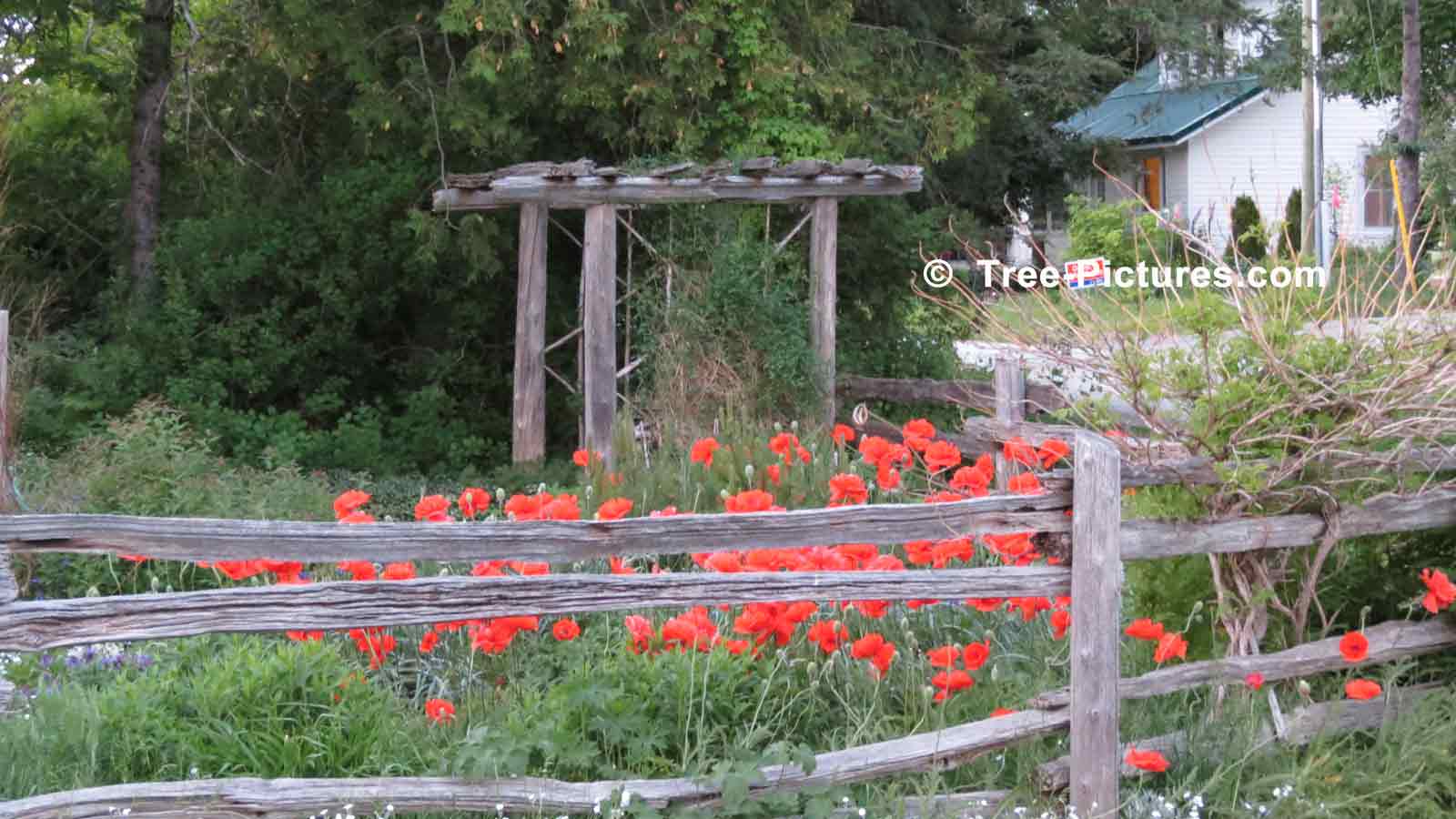
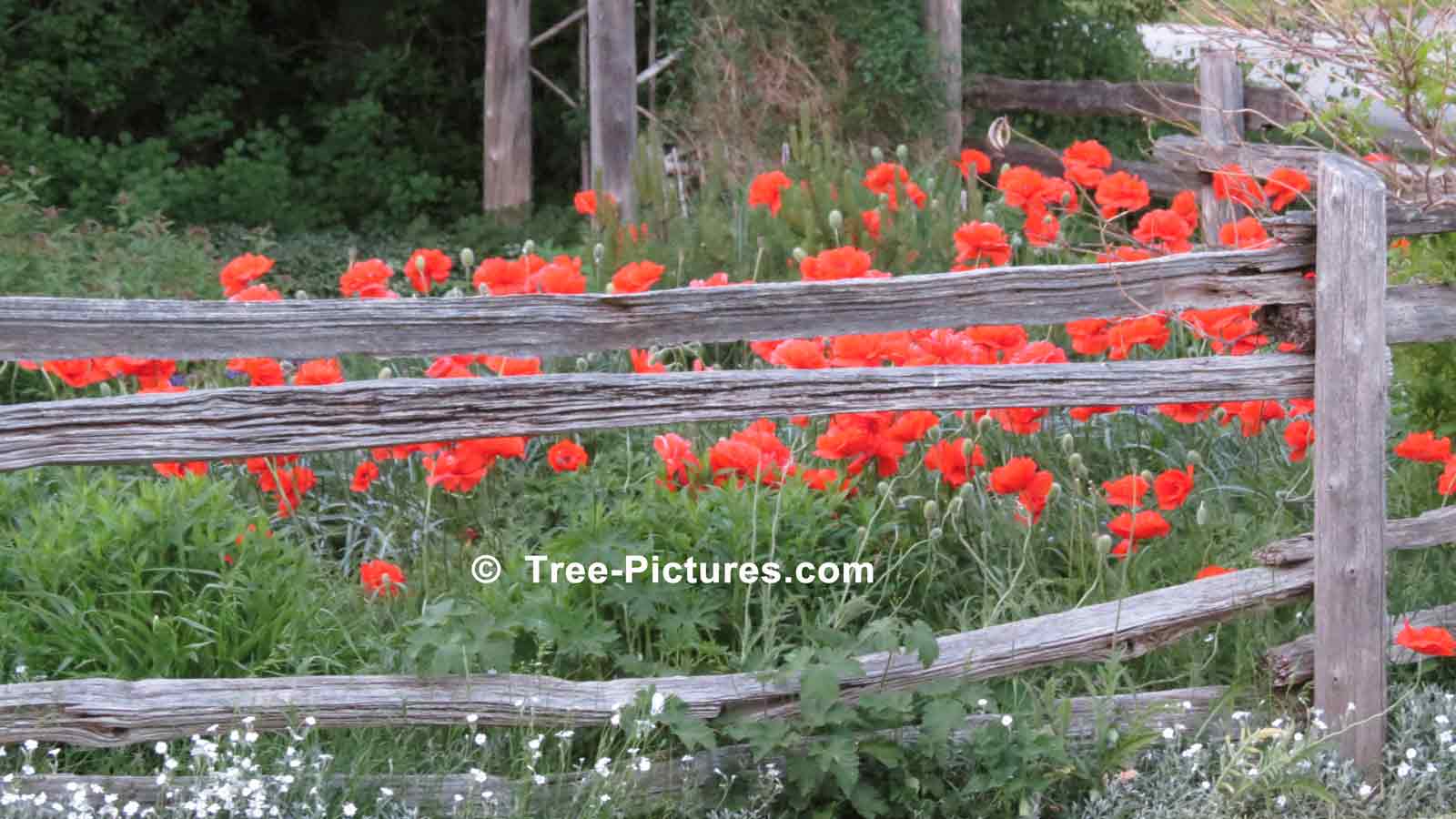
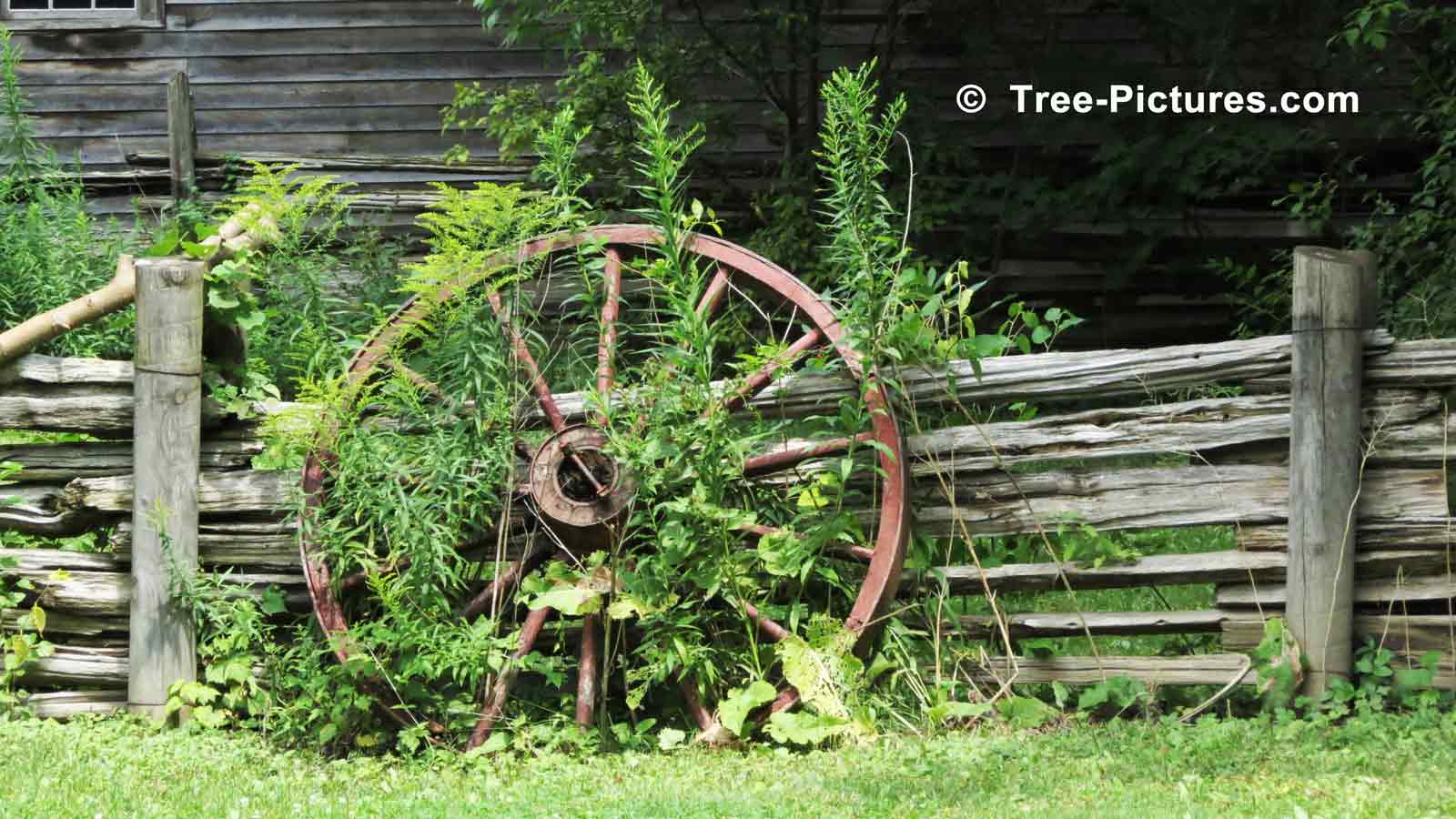
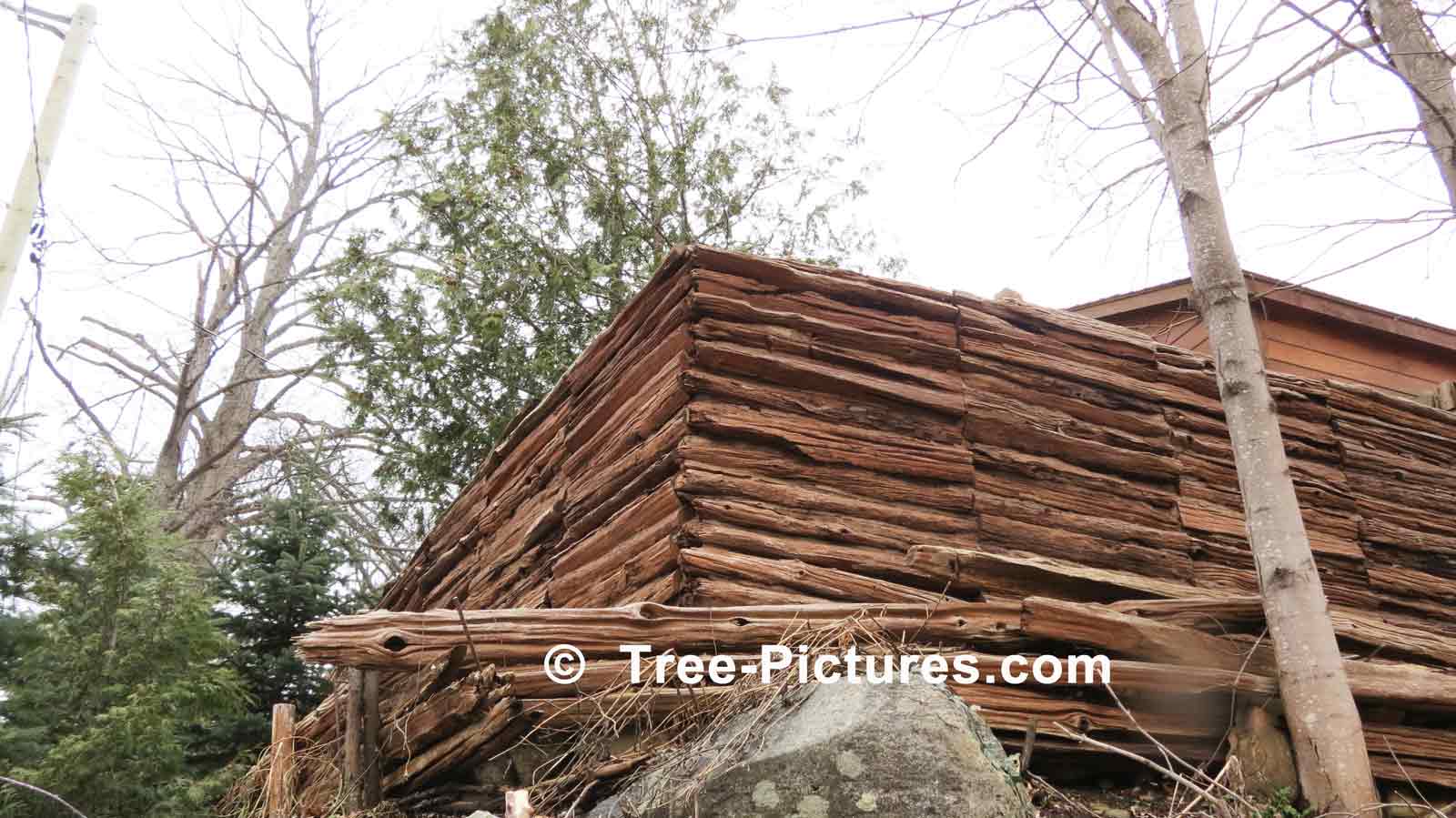
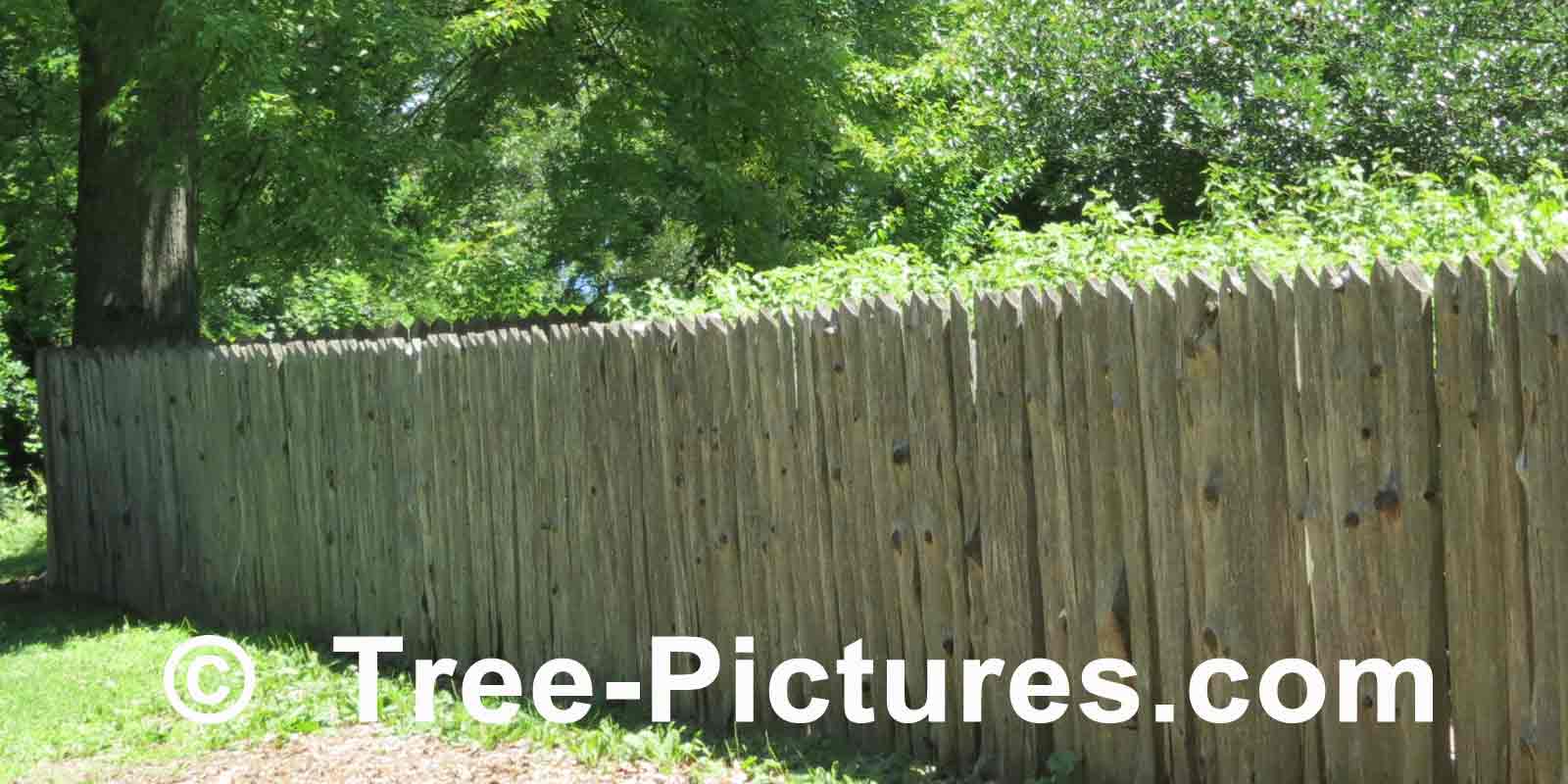
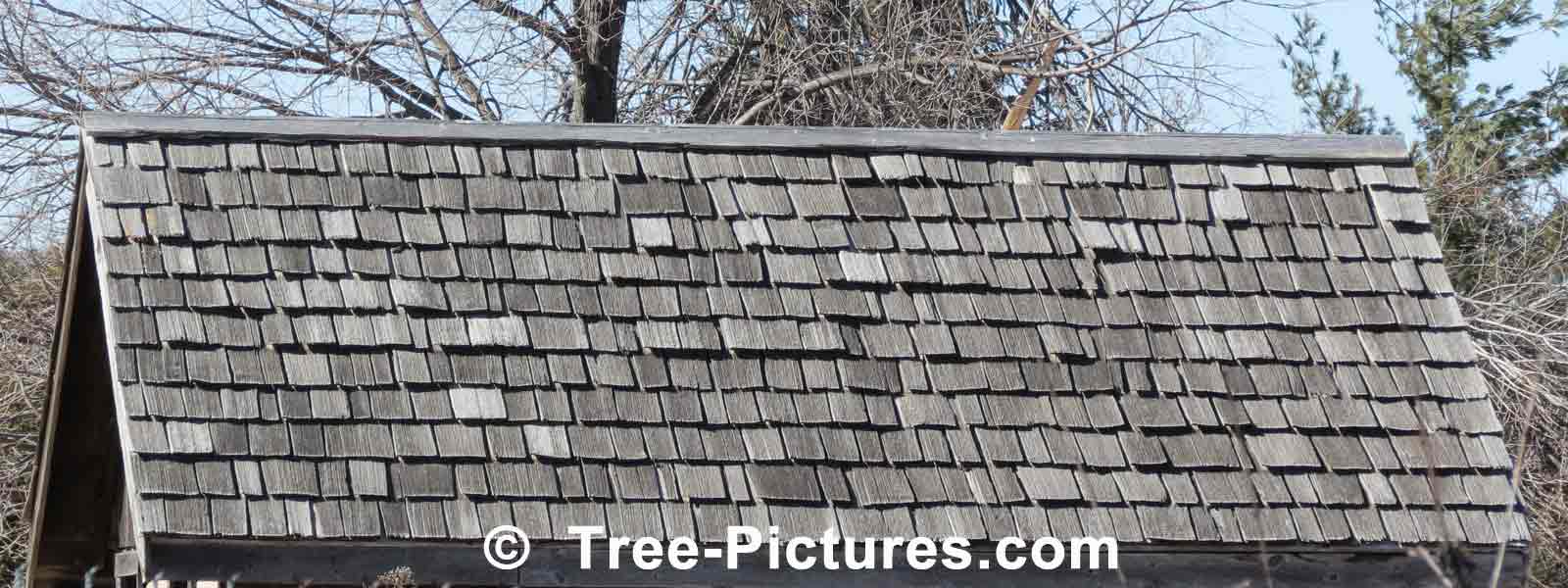
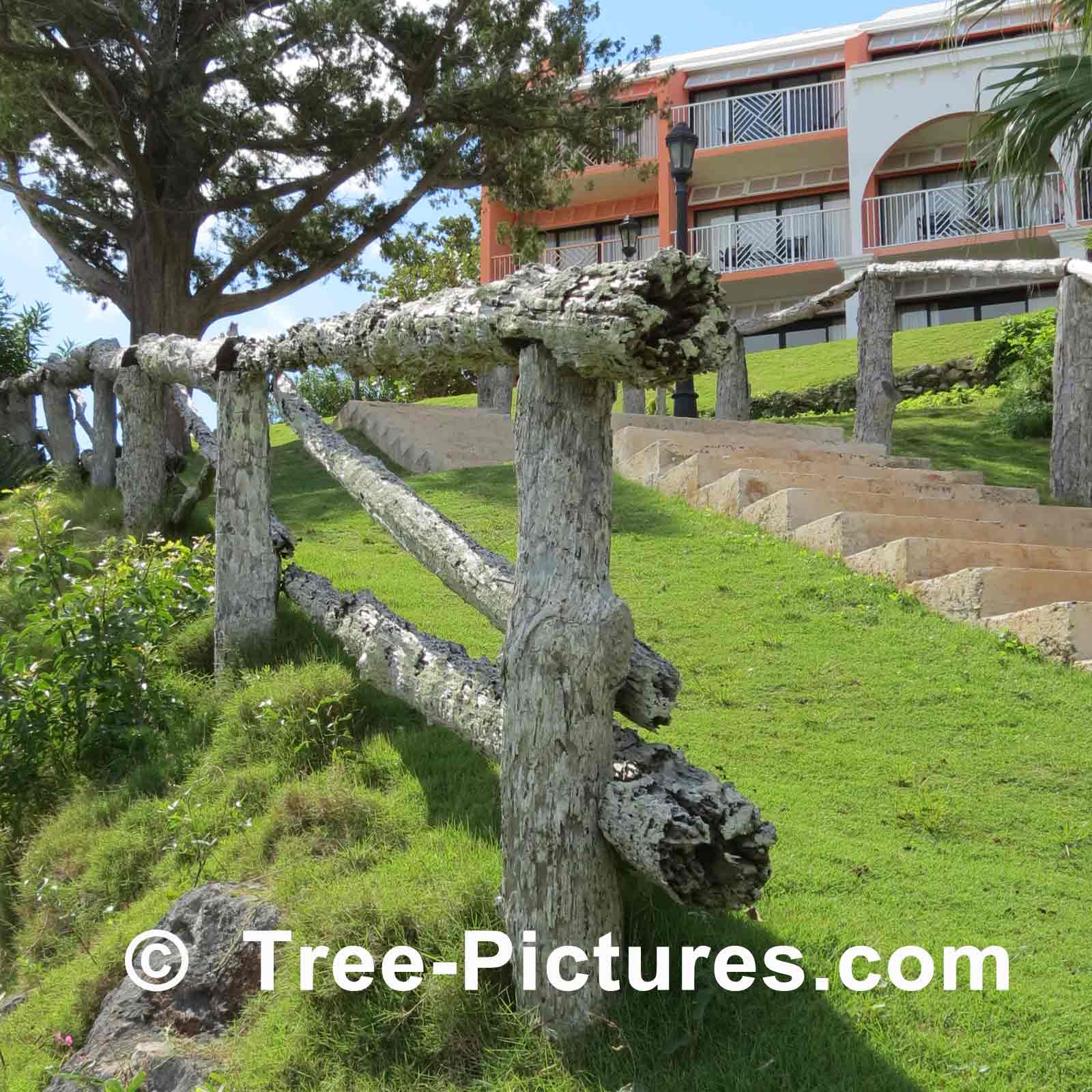
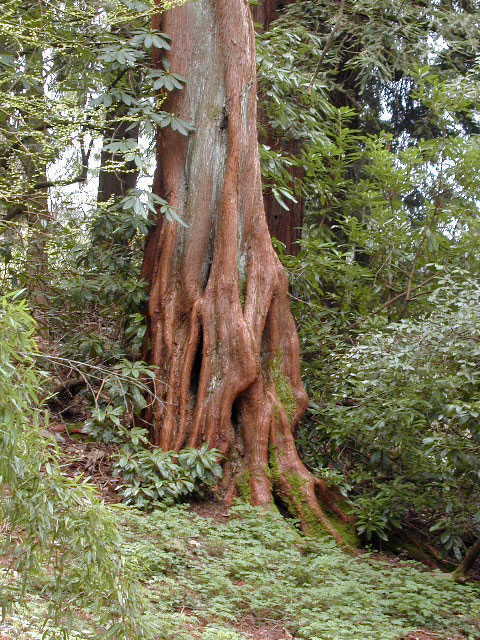
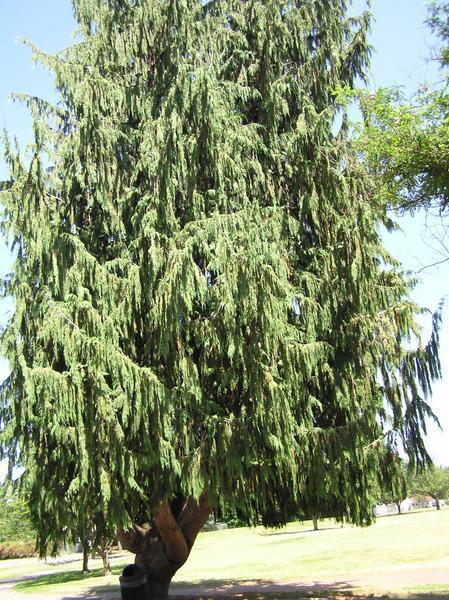
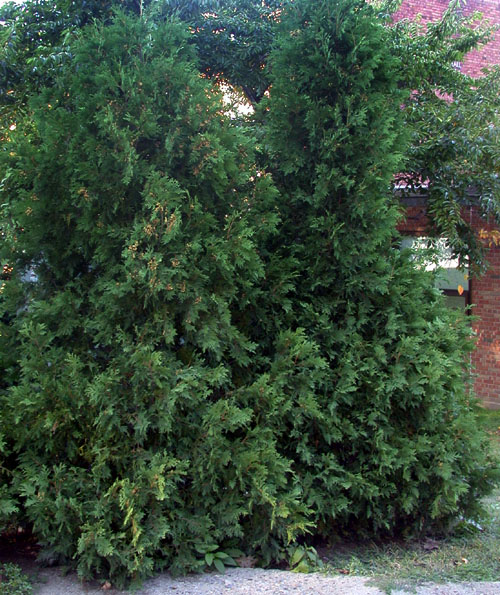
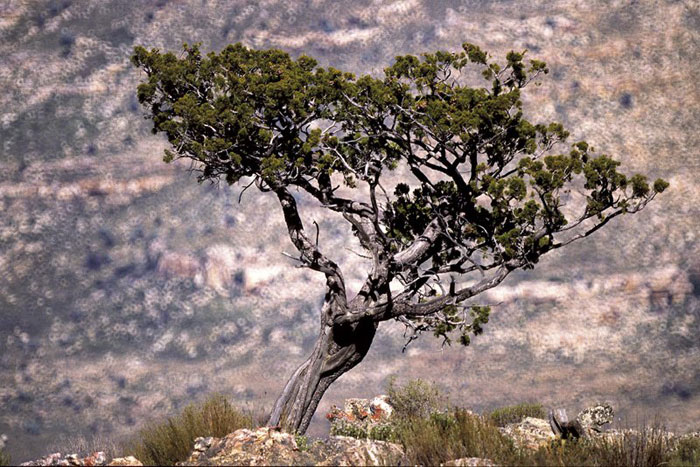
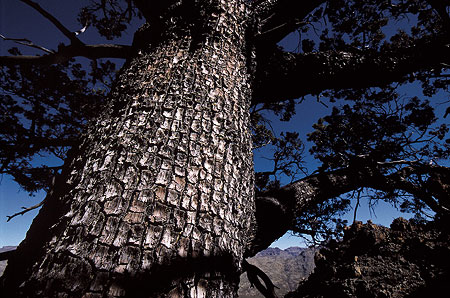
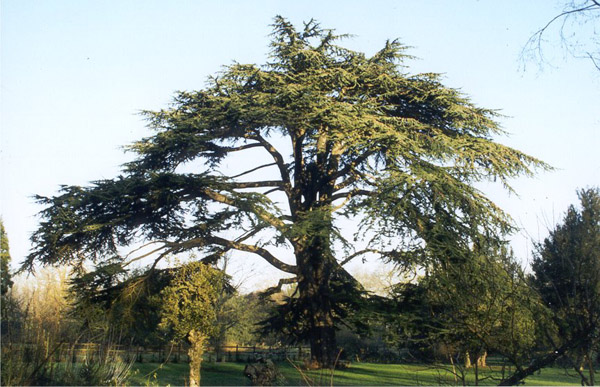


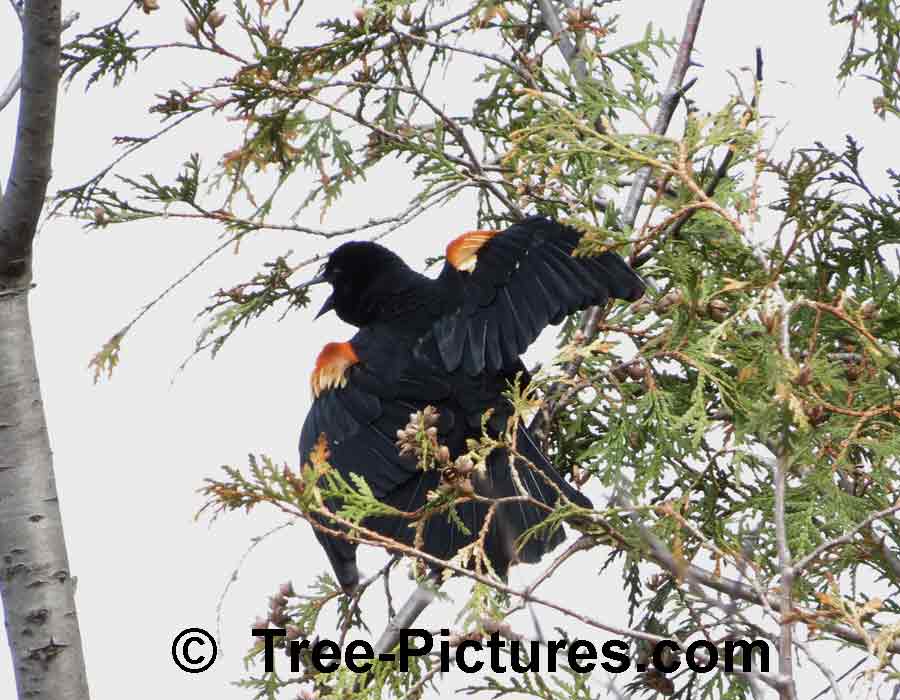
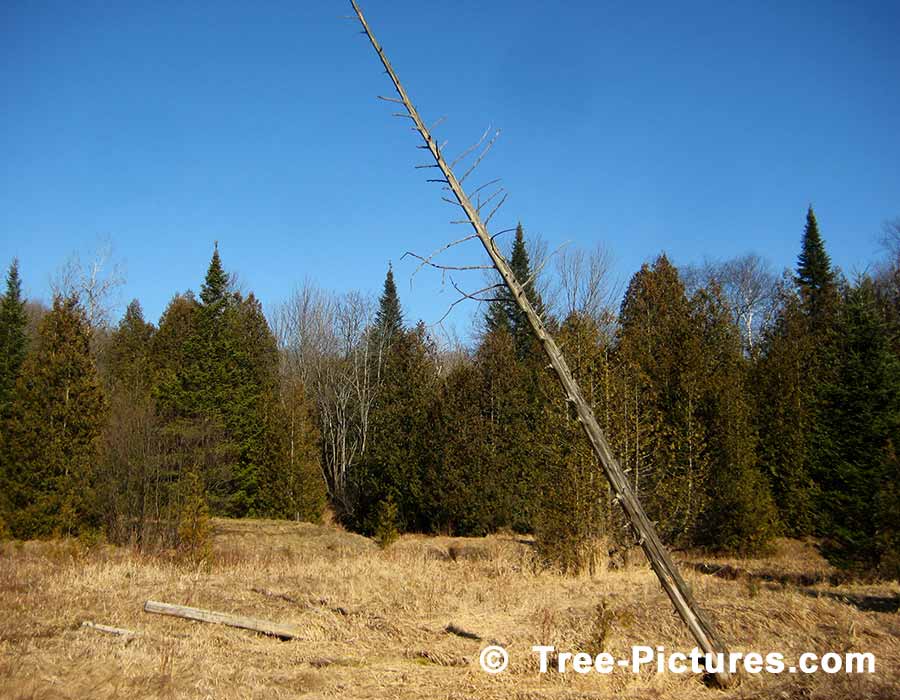
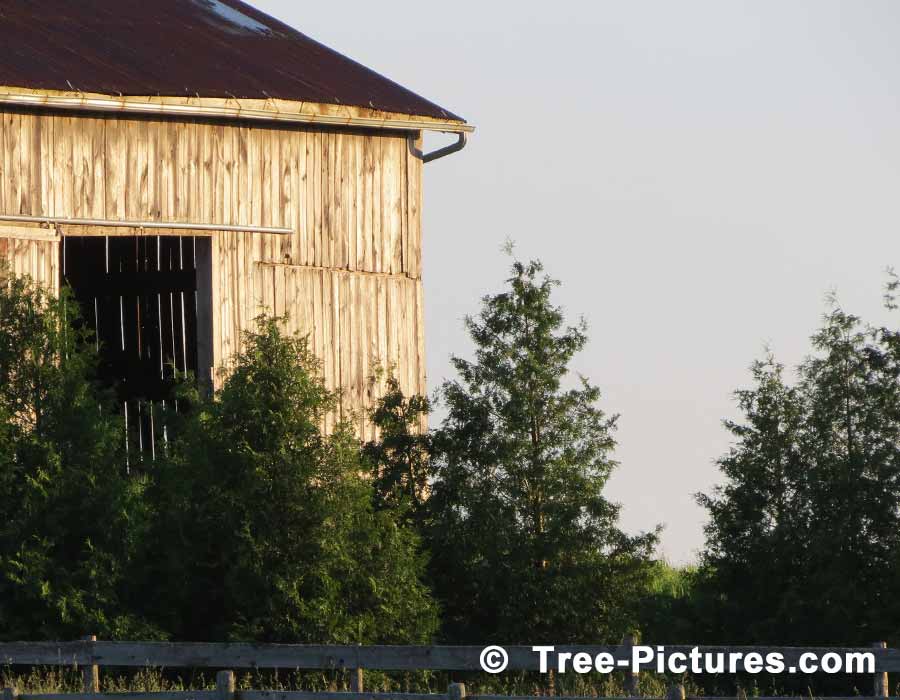

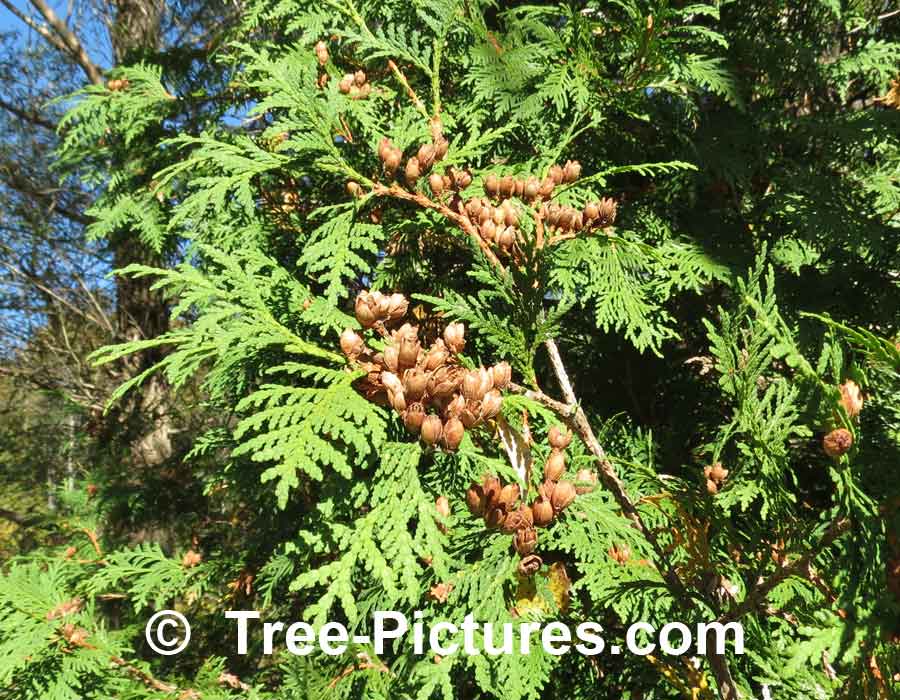
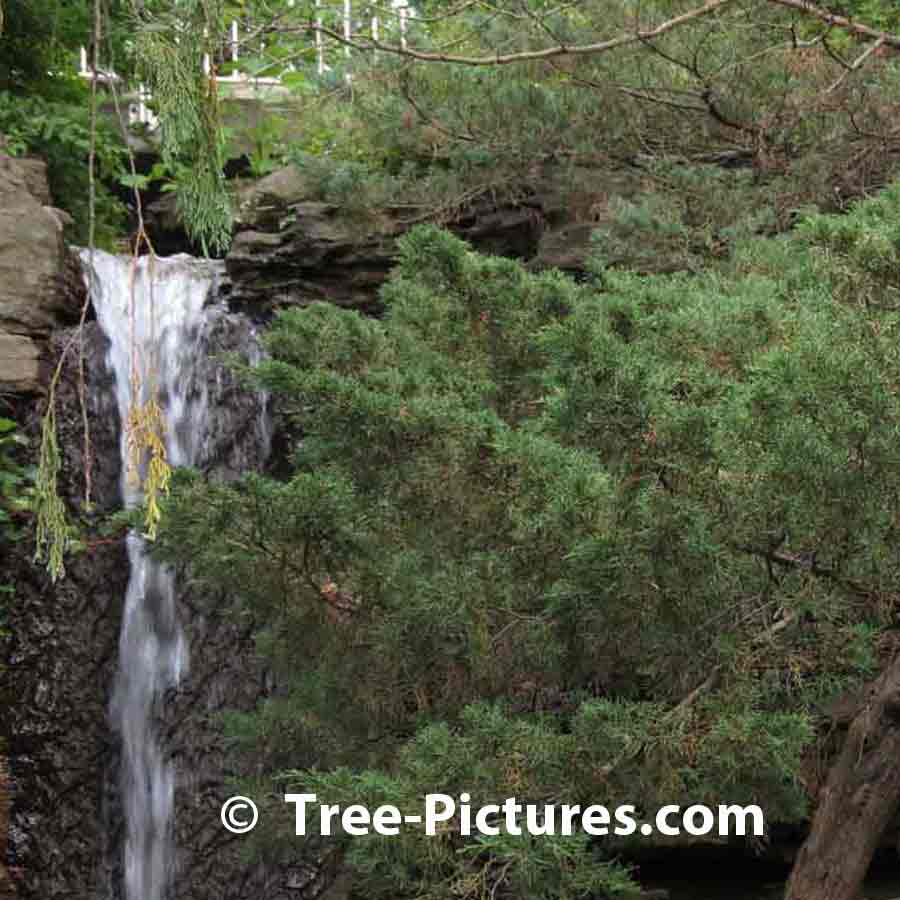
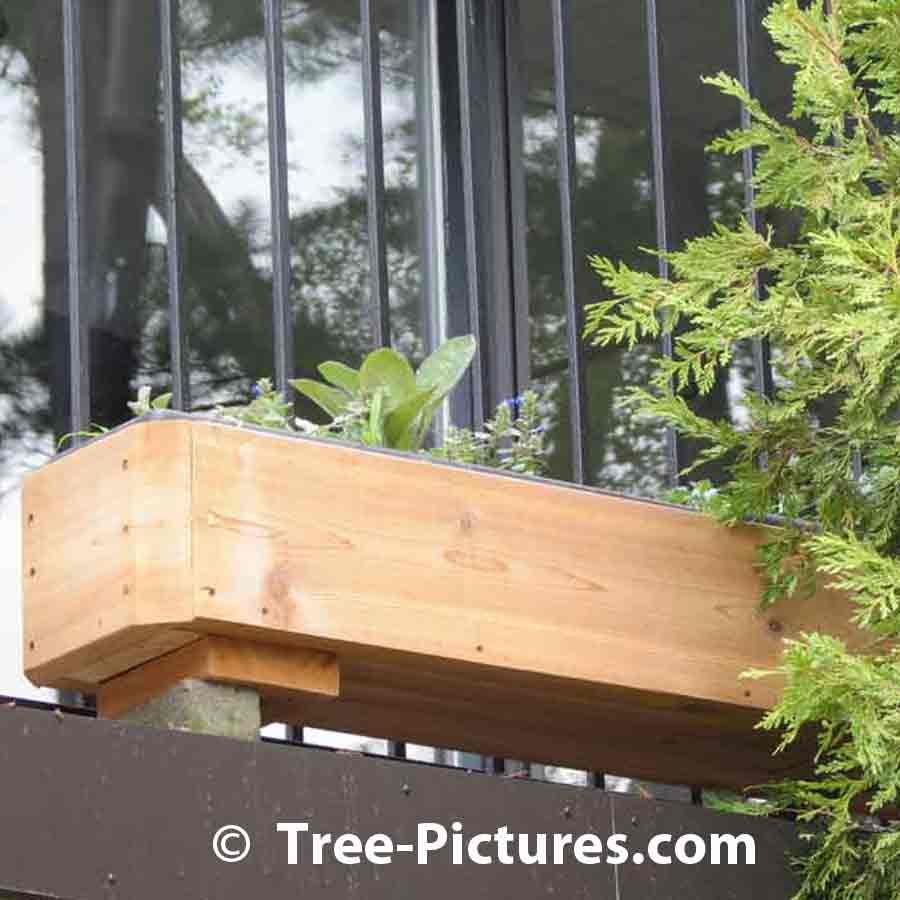
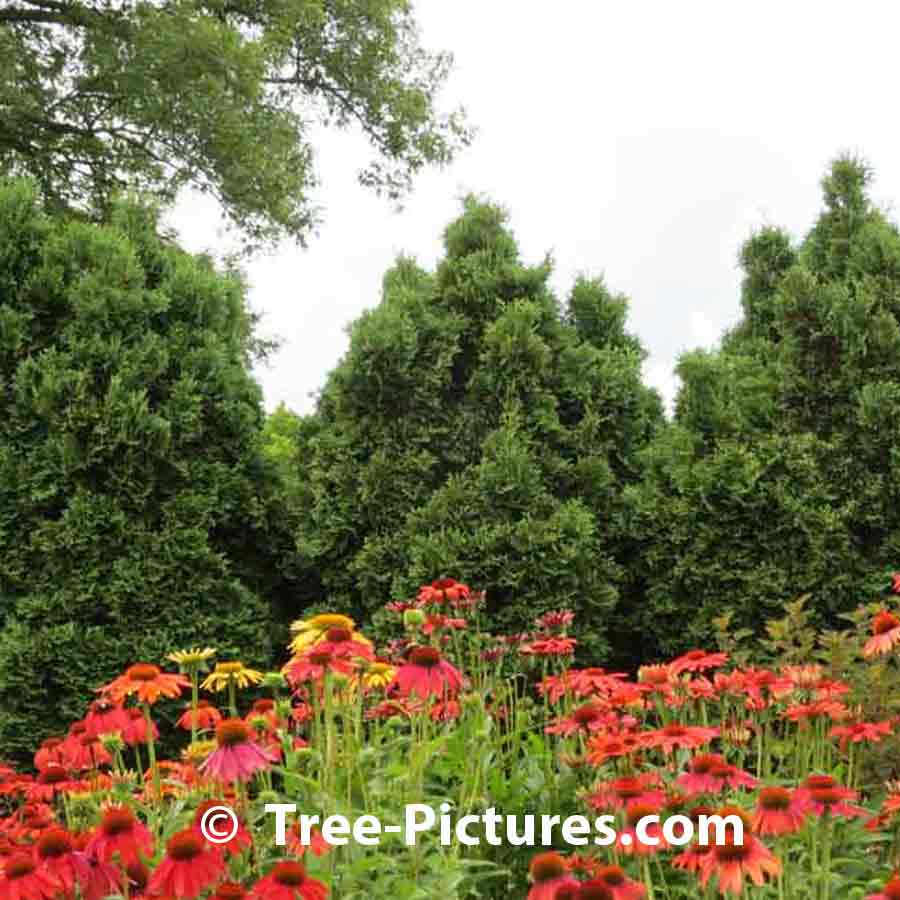

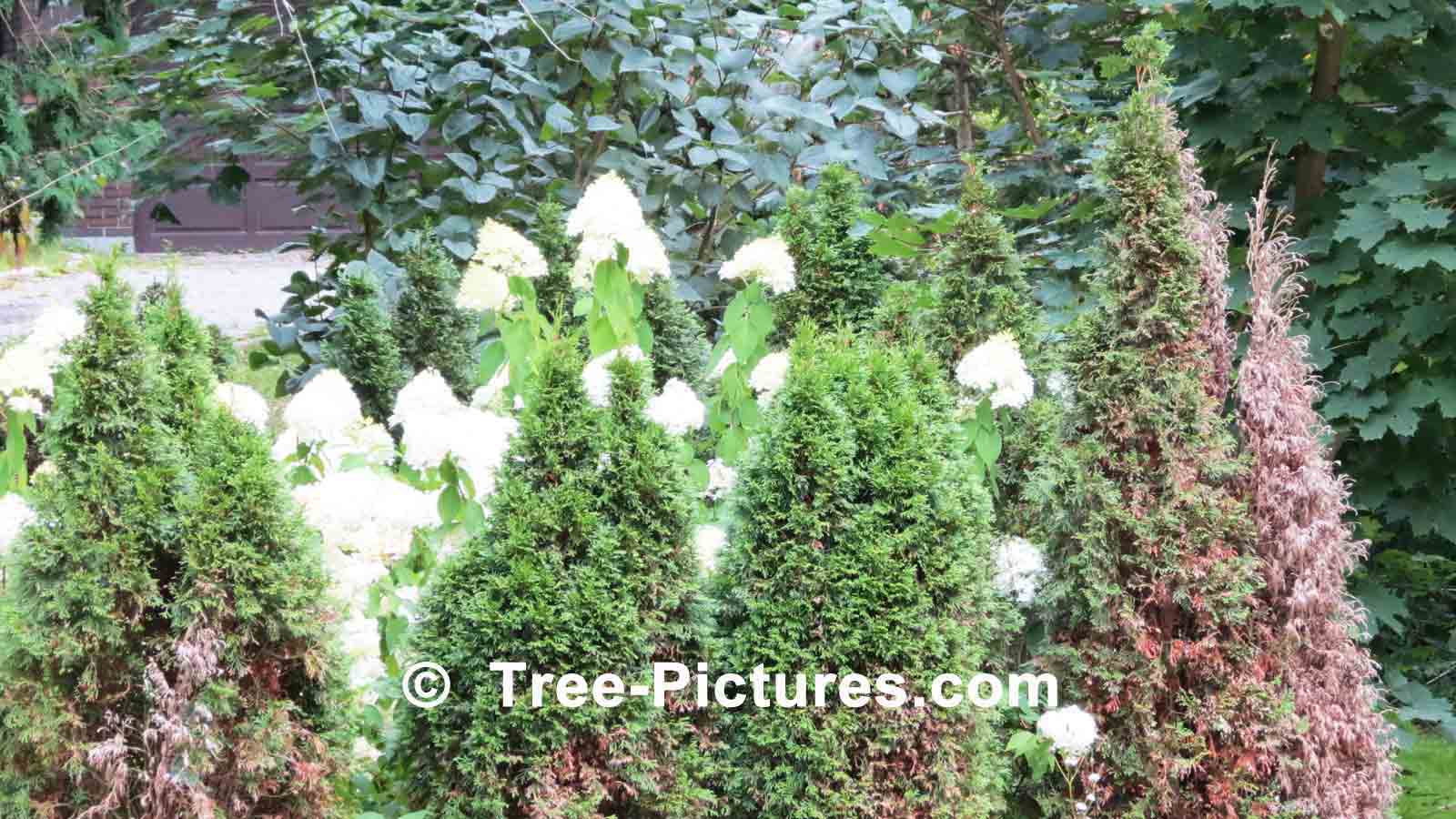
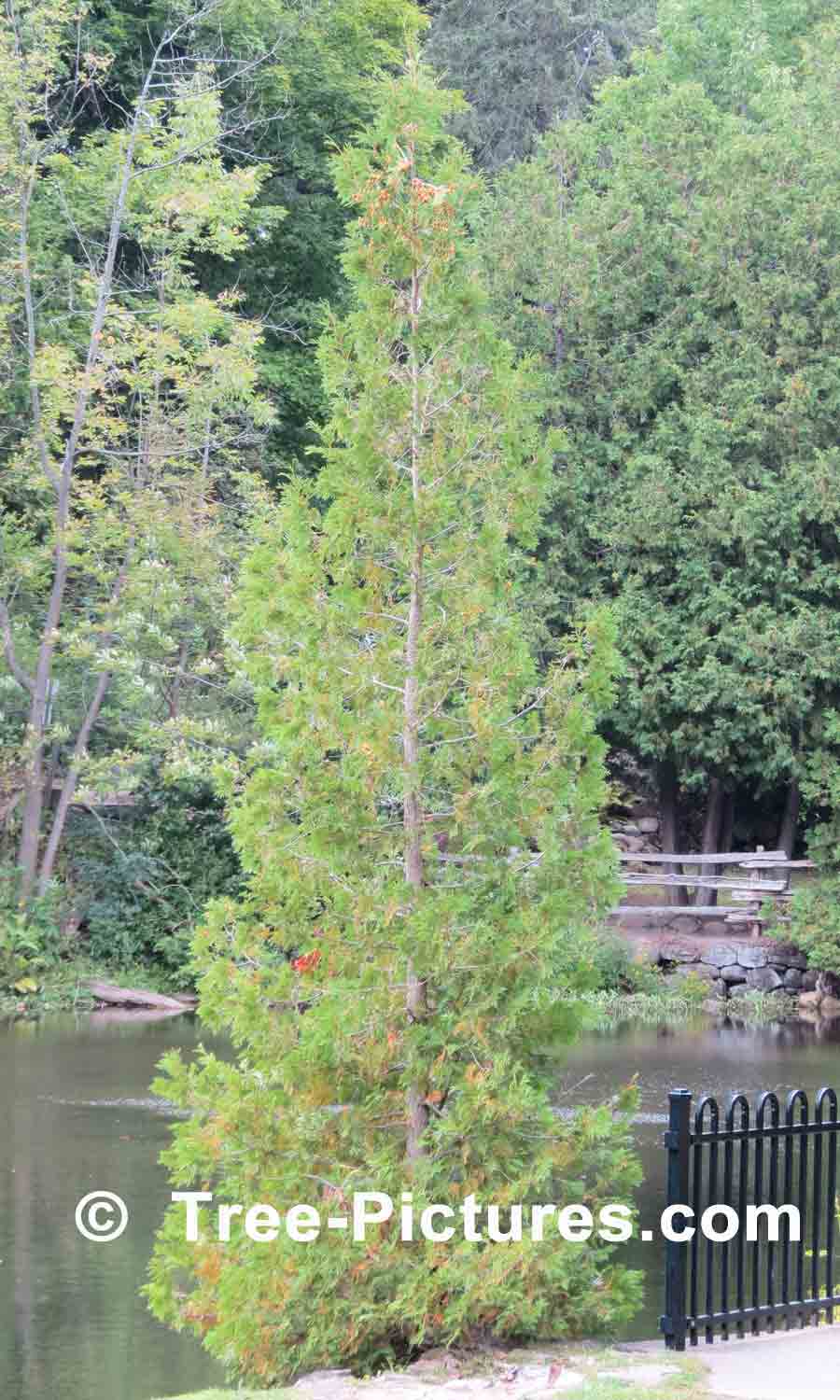

Additional Cedar Tree Photos
Cedar Tree Pictures 1 - Cedar Tree Pictures 2
Impressive Photos of Cedar Trees
Cedar Trees: Show a Cedar Tree Image
Cedar Tree Scientific Name: Cedrus
Cedar trees are cone bearing trees and can therefore be classified as coniferous. Other coniferous trees include pine trees, spruce trees, redwood trees and Douglas Fir trees.
Types of Cedar Trees, Kinds of Cedar Tree Types
- Alaskan Cedar Tree, Alaskan Weeping Cedar Tree
- American Red Cedar Tree
- Arizona Cedar Tree
- Atlantic White Cedar Tree, Atlas Cedar Tree
- Australian Red Cedar Tree, Toona ciliata
- Black Cedar Tree
- Blue Cedar Tree, Blue Atlas Cedar Tree, Cedrus atlantica
- Bonsai Cedar Tree
- Cedar Trees as a species, part of Pine Tree, Pinaceae group
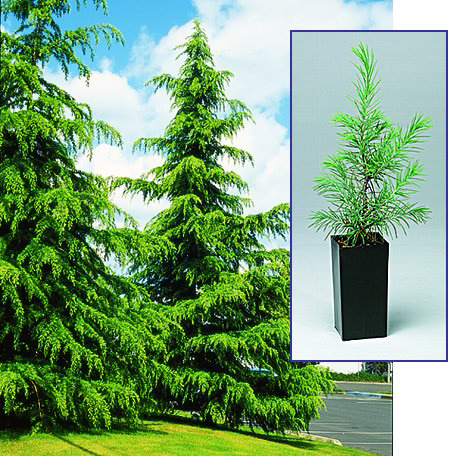
- Deodar Cedar Tree, Cedrus deodara
- Chinese Cedar Tree, Chinese Toon
- Cypress Cedar Tree, Cedrus brevifolia
- Dwarf Cedar Tree
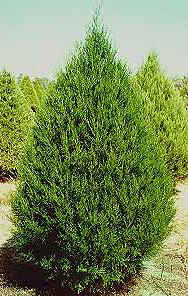
- Eastern Red Cedar Tree, Juniperus virginiana
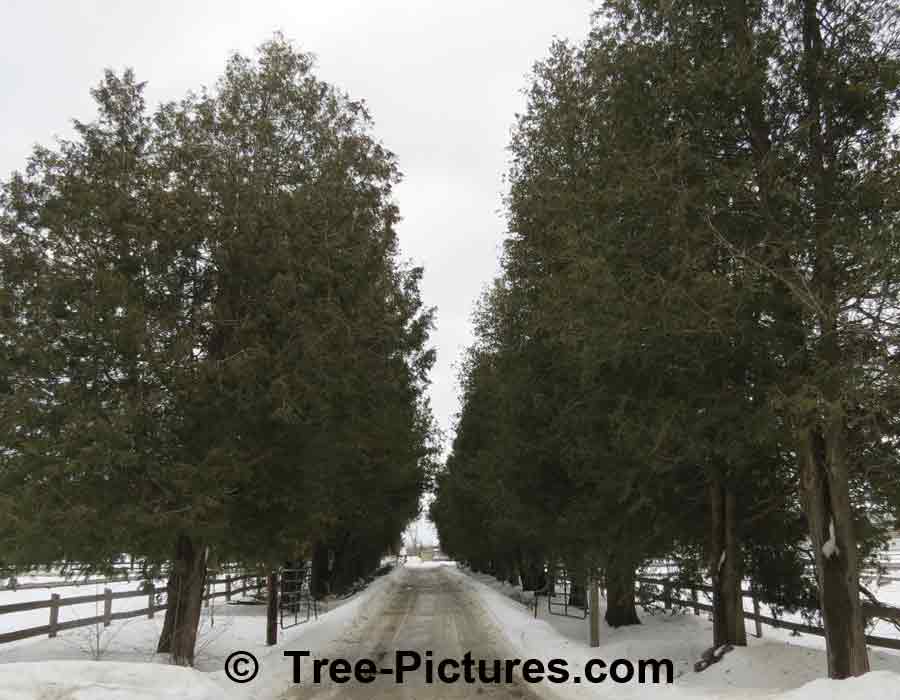
- Eastern White Cedar Tree, Thuja occidentalis
- Emerald Cedar Tree
- Florida Cedar Tree
- Giant Red Cedar Tree
- Golden Cedar Tree
- Himalayan Cedar Tree
- Lebanese Cedar Tree, Cedrus libani
- Japanese Cedar Tree
- Juniper Cedar Tree, Juniperus ashei
- Red Cedar Tree
- Siberian Cedar Tree
- Spanish Cedar Tree
- Slippery Cedar Tree
- Texas Cedar Tree, Cedar Cedar Tree
- Weeping Cedar Trees, Cedrus atlantica
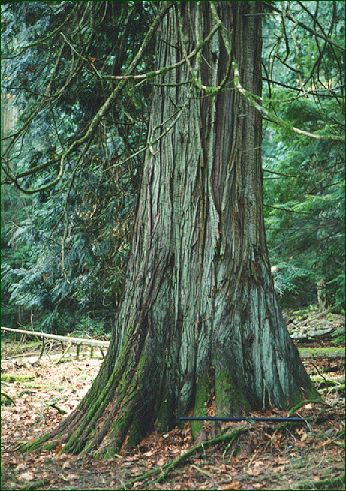
- Western Red Cedar Tree, Thuja plicata
- White Cedar Tree, Tabebuia heterophylla
| Pinaceae | Cupressaceae | Meliaceae |
|---|---|---|
| Lebanon Cedar Cedrus libani |
Atlantic White Cedar Chamaecyparis thyoides |
Spanish Cedar Cedrela odorata |
| Deodar Cedar Cedrus deodara |
Bermuda Cedar Juniperus bermudiana |
Australian Red Cedar Toona ciliata |
| Atlas Cedar Cedrus atlantica |
Eastern Red Cedar Juniperus virginiana |
Ceylon Cedar Melia azesarach |
| Cyprus Cedar Cedrus brevifolia |
Chilean Cedar Austrocedrus chilensis |
Cigar-Box Cedar Cedrela |
| Eastern White Cedar Thuja occidentalis |
||
| Clanwilliam Cedar Widdringtonia cedarbergensis |
||
| Incense Cedar Calocedrus |
||
| Japanese Cedar Cryptomeria |
||
| Iranian Cedar Cupressus sempervirens |
||
| Mountain Cedar Juniperus ashei |
||
| Mexican White Cedar Cupressus lusitanica |
||
| New Zealand Cedar Libocedrus bidwillii |
||
| Port Orford Cedar Chamaecyparis lawsoniana |
||
| Prickly Cedar Juniperus oxycedrus |
||
| Sharp Cedar Juniperus oxycedrus |
||
| Western Red Cedar Thuja plicata |
||
| Yellow Cedar Cupressus nootkatensis |
Feature Cedar Species: Eastern Red Cedar
Our feature cedar tree species is the Eastern Red Cedar.
If you are looking for information on other types of cedar, we recommend using Google search.
We hope you enjoy the information and photos we have provided to help you identify various types of cedar, to learn interesting facts about cedar trees and how cedar wood is used in a variety of industries.
Red Cedar, Eastern
Juniperus virginiana
Dense pyramid shape excellent for windbreaks and screens. Birds love its berries. Medium
green foliage. Likes full sun. Tolerant of most soils. Mature height of 40' - 50'.
Type of tree:
The Eastern Red cedar falls into the following type(s): Evergreens
Mature Height:
The Eastern Red Cedar grows to be 40' - 50' feet in height.
Mature Spread:
The Eastern Redcedar has a spread of about 8' - 20' at full maturity.
Spread Variations:
Growth Rate:
This tree grows at a medium growth rate.
Sun:
This red cedar does well in full sun.
Soil:
The Eastern Red cedar grows in acidic, alkaline, drought tolerant, loamy, moist, rich,
sandy, silty loam, well drained, wide range, clay soils.
Moisture:
Can withstand occasional flooding, yet has good drought tolerance.
Shape:
This red cedar has columnar, oval, pyramidal shape.
Leaves:
The leaves are evergreen. On new growth and young trees, foliage is needle-like; older
foliage is scale-like, with each scale about 1/16th of an inch long and compacted to form
rounded or 4-sided branchlets.
Flowers:
Greenish-yellow; nondescript.
Bloom Time:
April-May.
Fruit Description:
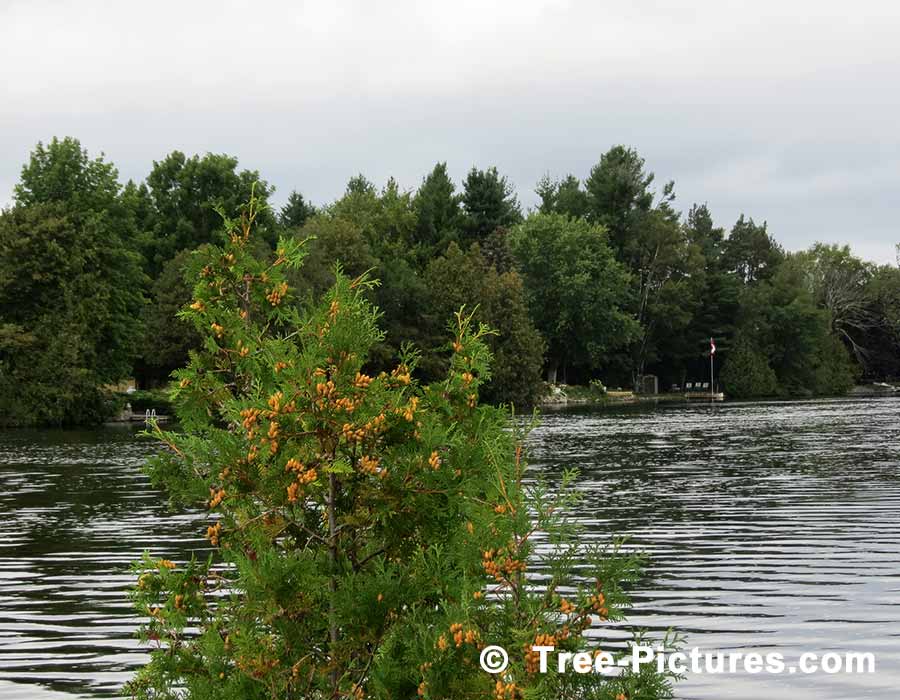
Female cones are ovoid, 1/4" across, ripening in one year, abundant in shiny colors
of brown to almost blue. Male staminate cones are yellow-brown and borne on separate
plants.
Additional Information: Eastern Red Cedar
Attributes:
The Eastern Red cedar tree is a common sight on road cuts and in fence rows and abandoned
fields throughout most of the plains states and eastern United States, especially where
limestone soils are present. It is a tree of reddish wood giving off the scent of cedar
chests and its crushed berries provide a whiff of the gin they once flavored. Thanks to
its tolerance of heat, salt, a wide range of soils and other adverse conditions, Eastern
Redcedar is also put to good use on the farm in windbreaks and in city landscapes for
hedges, screens, clumps or even as specimen trees.
The Eastern red cedar is sometimes chosen as a Christmas tree but is not as popular as some of the other types of trees.
Description:
Dense pyramid shape excellent for windbreaks and screens. Birds love its berries. Medium
green foliage. Likes full sun. Tolerant of most soils. Matures at 40' - 50'.
Wildlife Value:
Eastern Redcedar twigs and foliage are eaten by browsers. Seeds are eaten most extensively
by cedar waxwings, a grayish-brown bird.. Evergreen foliage provides nesting and roosting
cover for sparrows, robins, mockingbirds, juncos, and warblers.
History/Lore/Use:
The Eastern Red cedar is an ancient tree, dating back to aboriginal America, where fossil
evidence indicates it covered large portions of the continent.
The early explorers took
note of the tree. Arthur Barlowe and Phillip Amadus were quoted as saying the trees were
"the tallest and reddest cedars in the world" when they arrived at Roanoke
Island in 1564. Colonial craftsmen lost no time in using the wood from the Eastern
Red cedar for furniture and fences as it had superior weathering capability and was easy to
work with. The wood was a staple of the pencil industry for over a century until supplies
became exhausted and the industry switched to more plentiful western cedars. Birds are
very fond of the berries, the Cedar Waxwing taking its name from the tree whose fruit is
its favorite food.
Cedar Tree Trivia
Cedar Trees belong to the Cypress family and may also be referred to as arbor vitae or tree of life.
The heartwood of young cedar trees often rots due to the lack of natural oils. As a result the mature cedar trees often have hollow trunks which make great homes for various forest animals.
The Cedar Tree is depicted on Lebanon's flag, symbolizing immortality and tolerance.
Solomon's temple was made entirely of cedar wood, cut from the great cedar forests of Lebanon
Eastern White Cedar (Thuja occidentalis) can be seen growing from cracks in rocks and swamps. Its bark is soft and peels easily and was used to make crafts, in construction and for medicine.
White tailed deer eat the twigs of the cedar tree during the winter months.
It is believed that tea, made from the bark and leaves of the Eastern white cedar was the cure for scurvy amongst Jaques Cartier's crew. Hence the Thuja species was nicknamed arbor vitae or "tree of life".
Pencils are made from Incense Cedar
Cedar is used in incense, usually in the form of sawdust. The pungent resin is easily released as smoke.
Furniture makers use cedar to line blanket boxes because the oil from the cedar tree is a natural insect repellent thus protecting its contents.
Cedar Wood
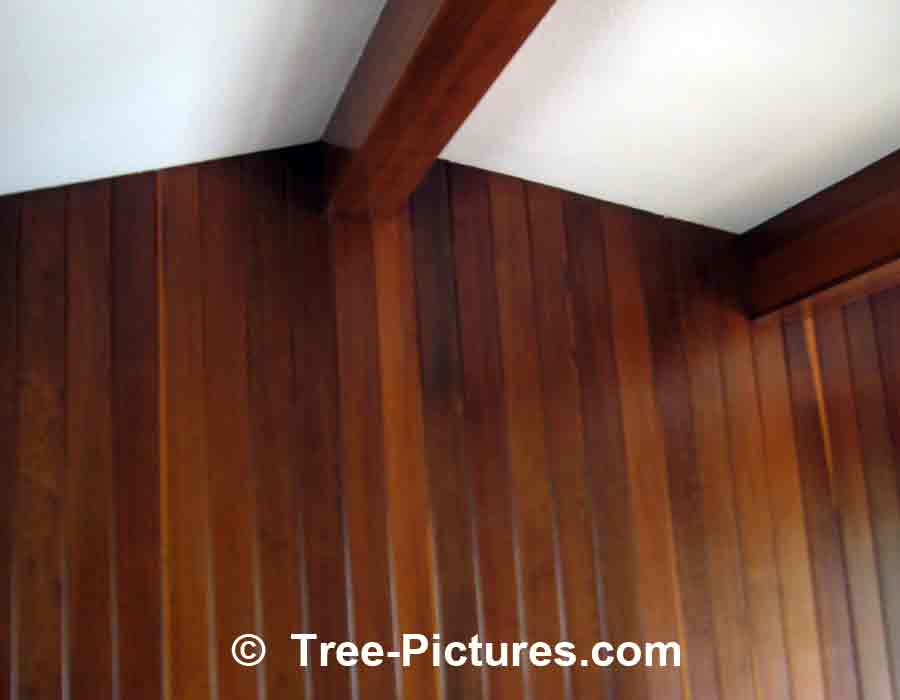
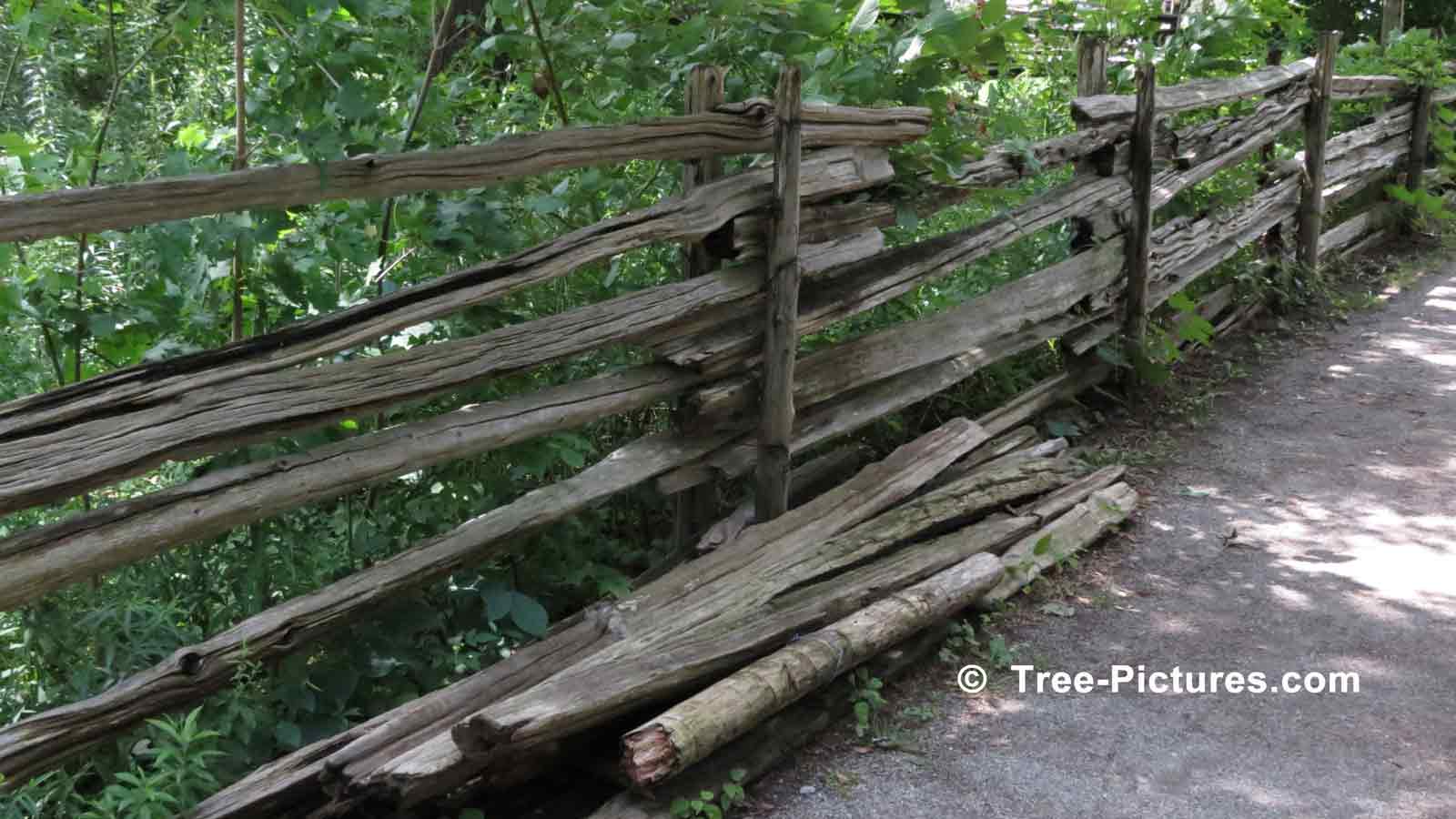
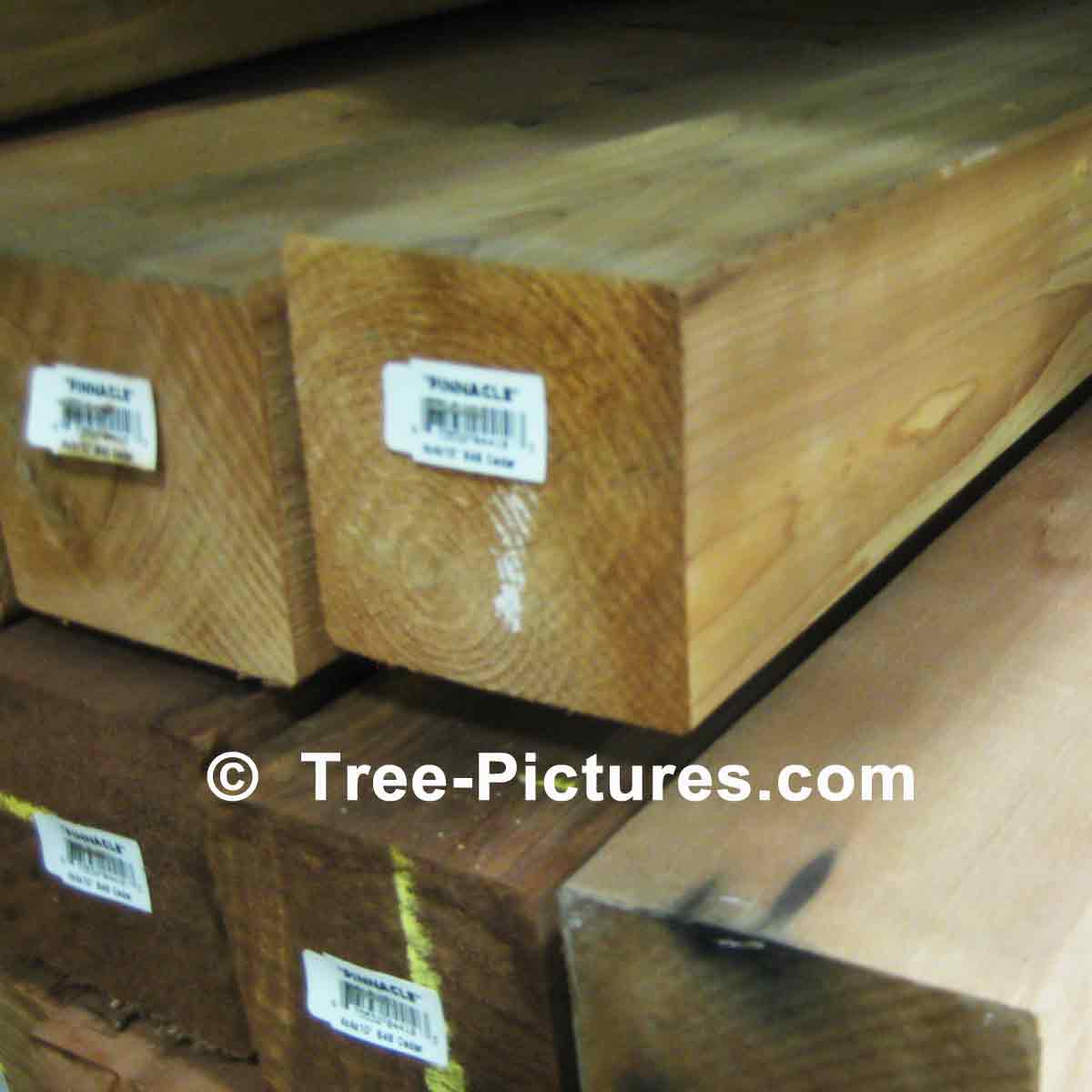
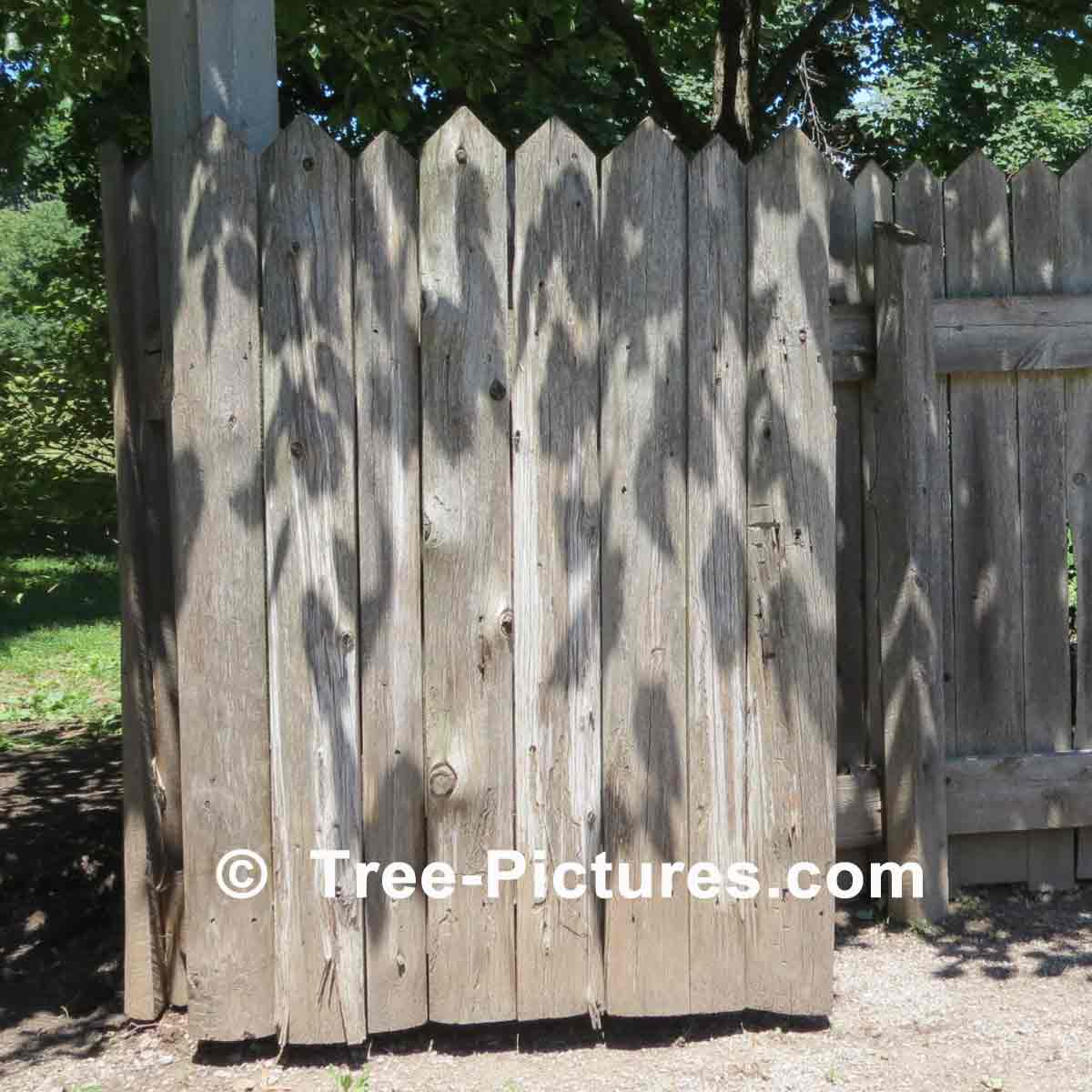
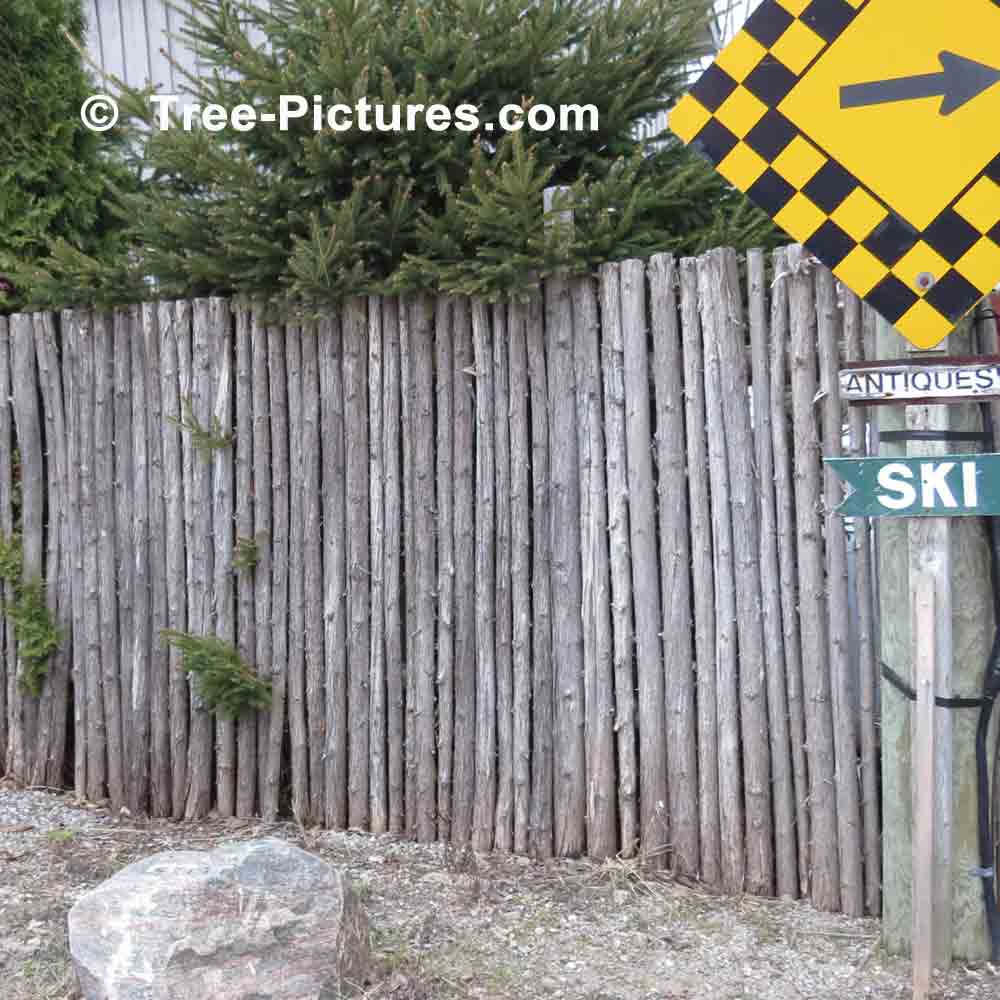
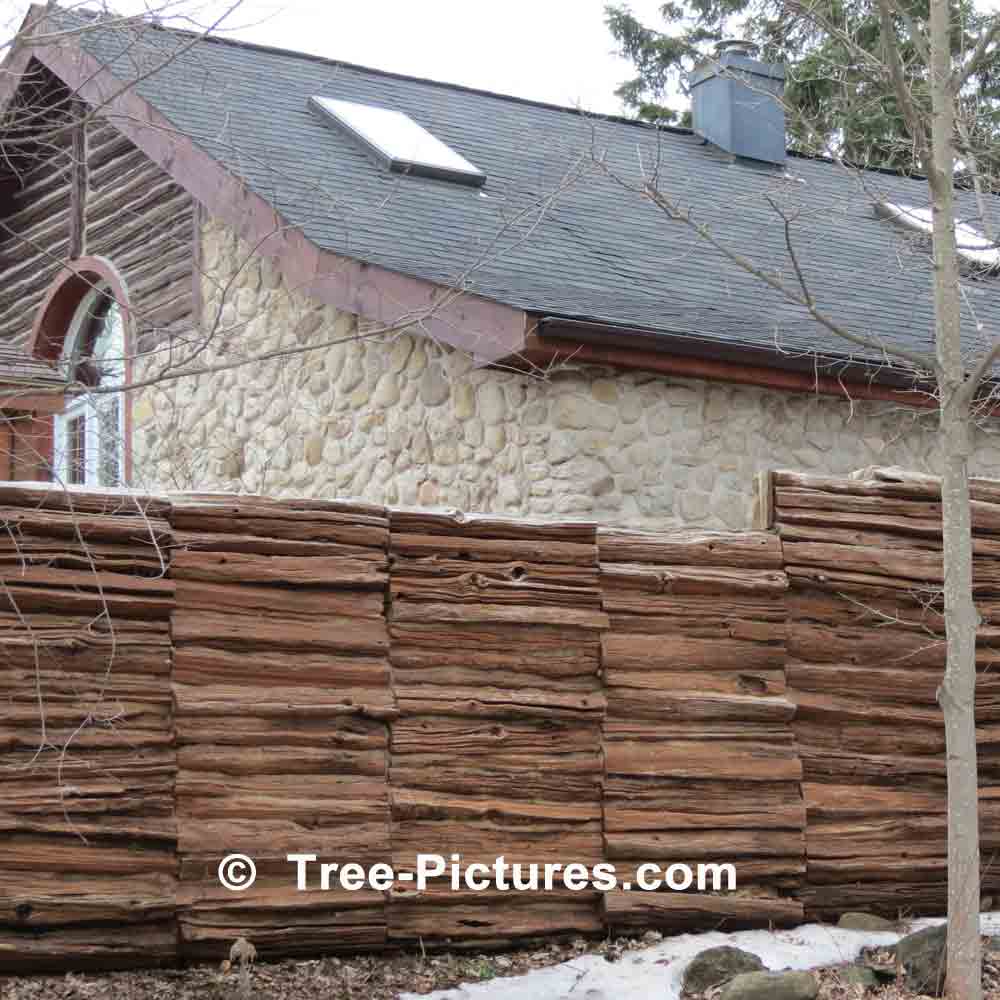
Western red cedar wood is popular for outdoor construction projects like fences, decks and shingles as it is decay-resistant.
Cigar-box cedar or Spanish cedar is used to line blanket boxes as it repels moths from ruining blankets or clothing that is stored inside and it has a pleasant fragrance.
Spanish cedar has been listed in CITES as an endangered species.
Cedar wood is not recommended for use in saunas. The moisture and humidity causes the cedar to turn black and look dirty after a short period of time. Mold causes health problems and an unpleasant odour.
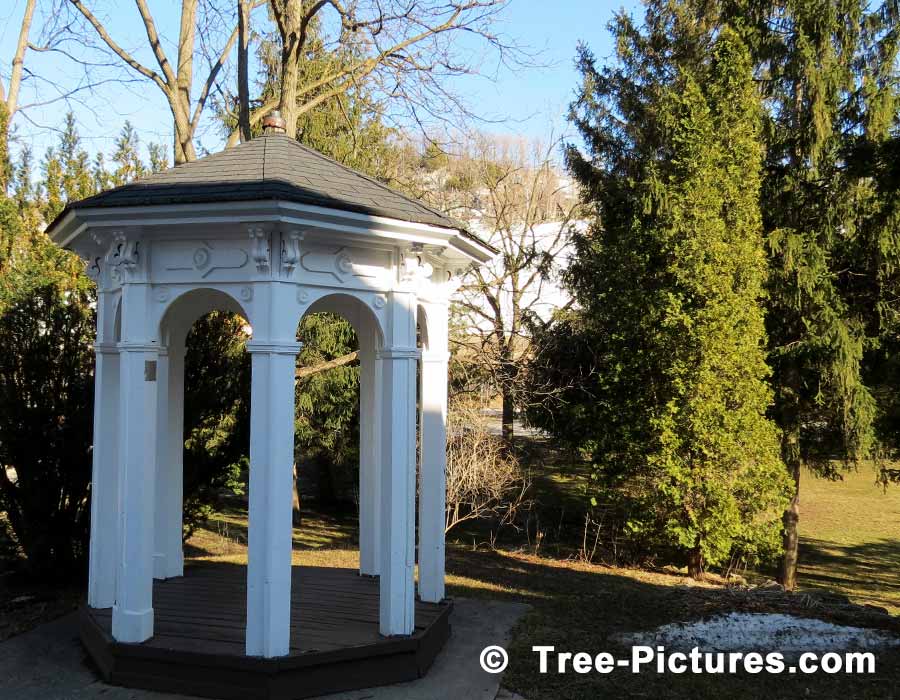
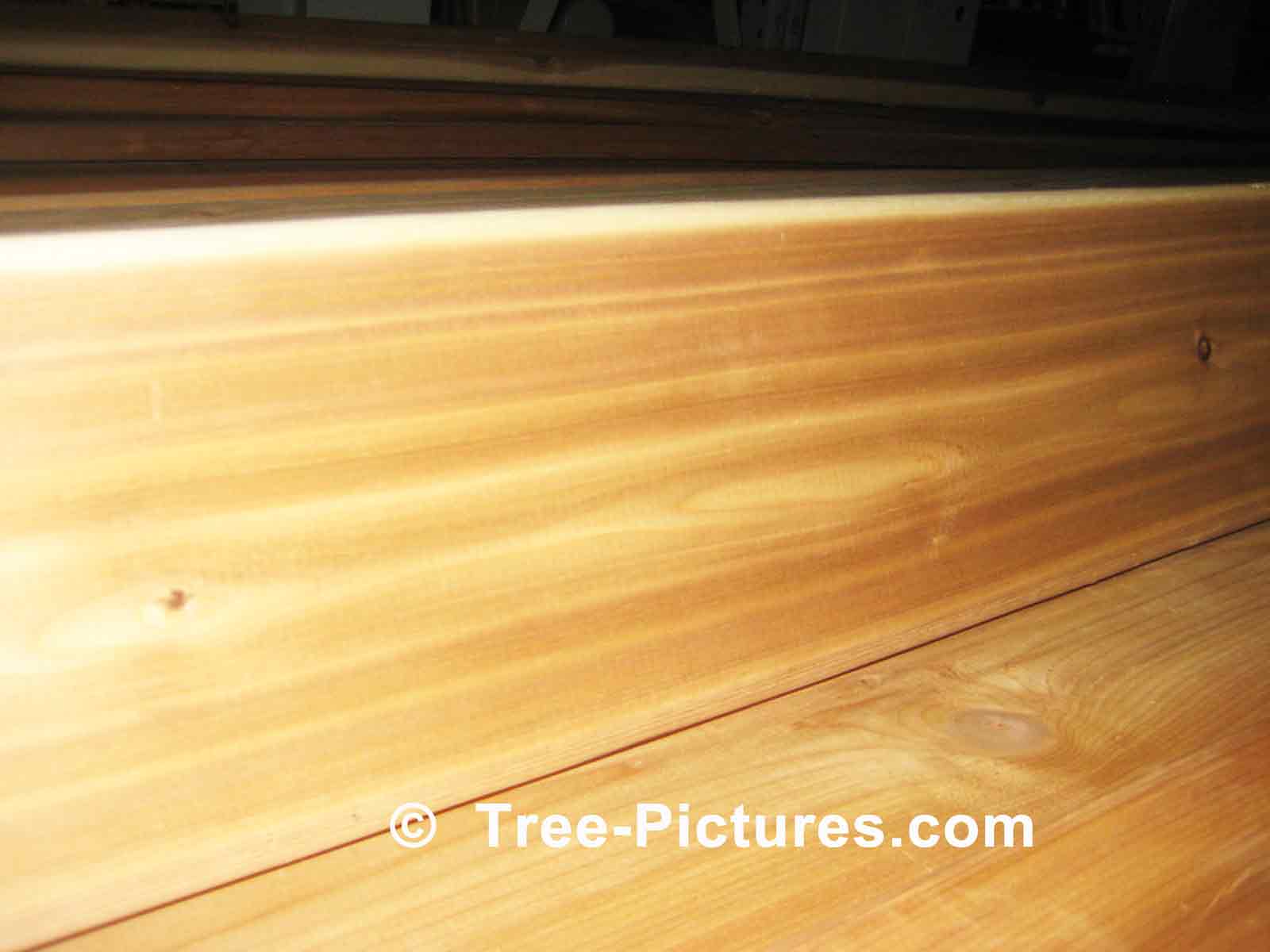
The richly grained Cedar lumber is perfect for outdoor projects such as decks, fences, gazebos, pool cabanas, and garden sheds as it is extremely weather resistant.
Cedar is virtually pitch and resin free, the wood easily accepts a range of finishes, from fine oils and stains, to solid coatings and paint.
Cedar Trees Pictures
Cedar Tree Pictures 1 - Cedar Tree Pictures 2
Impressive Photos of Cedar Trees
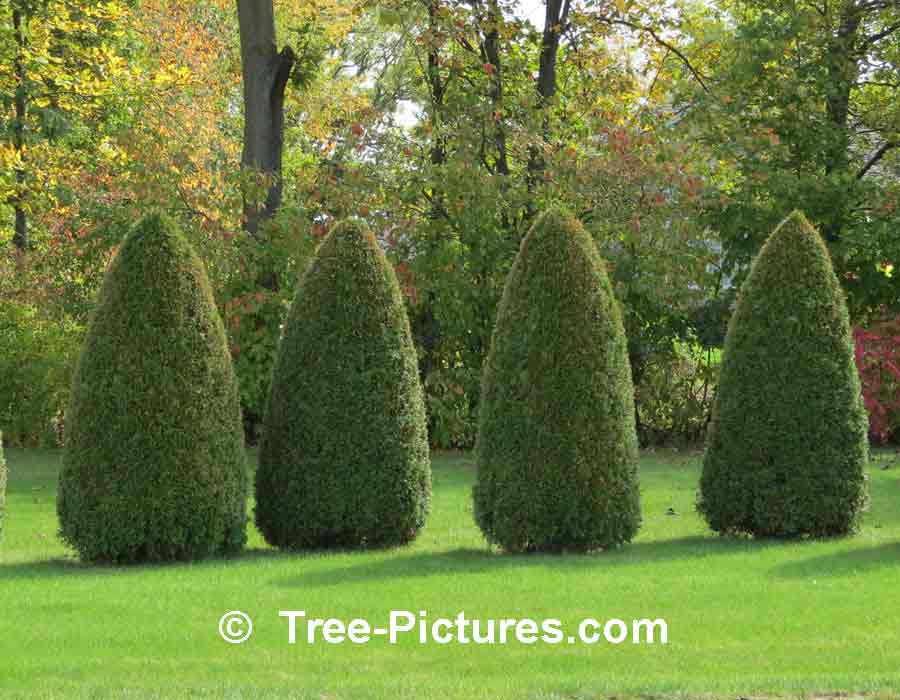
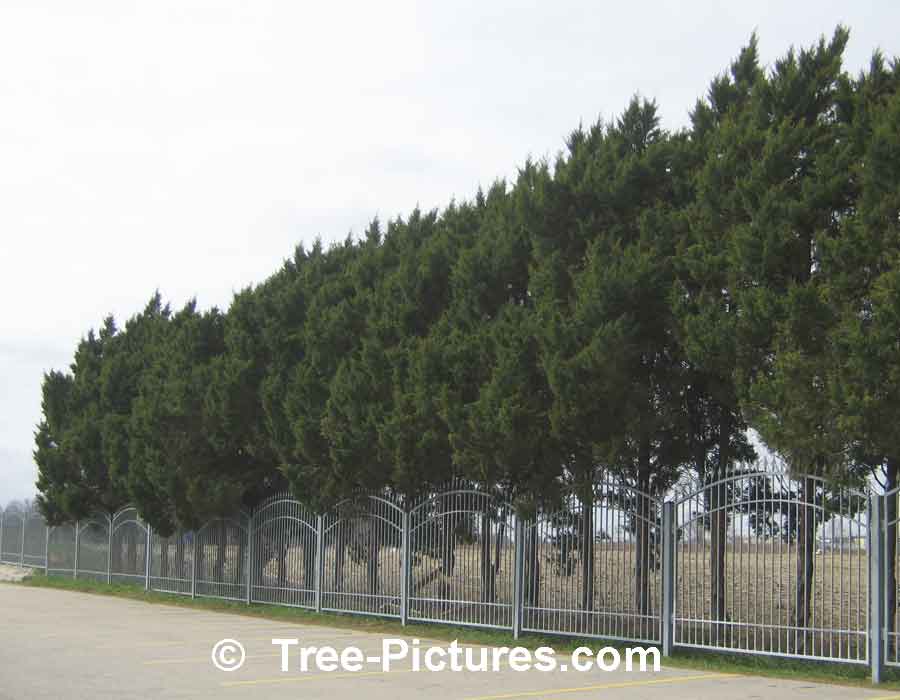
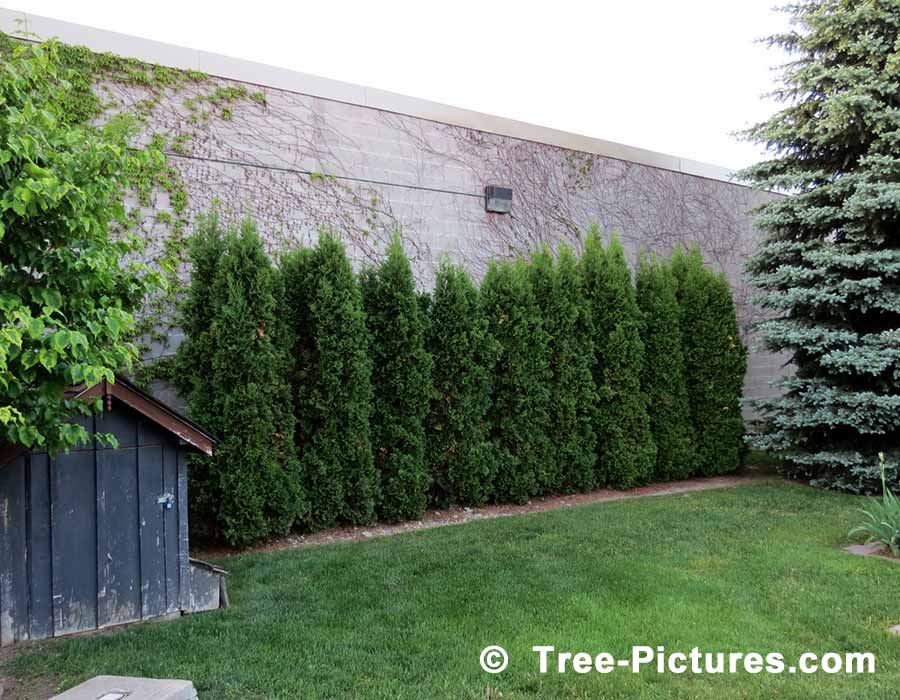
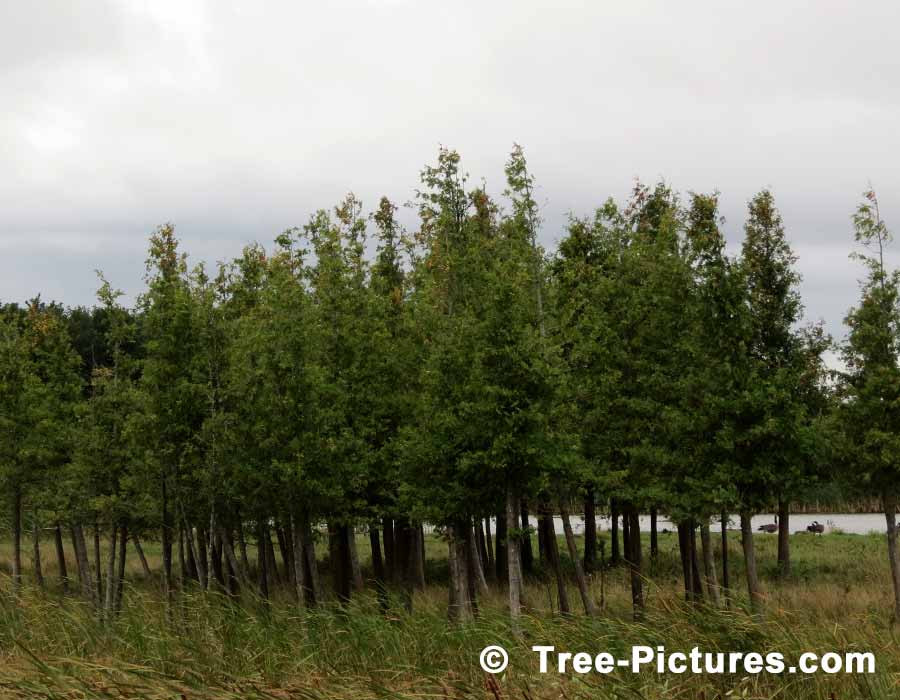
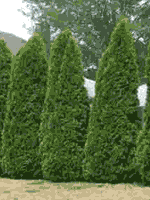
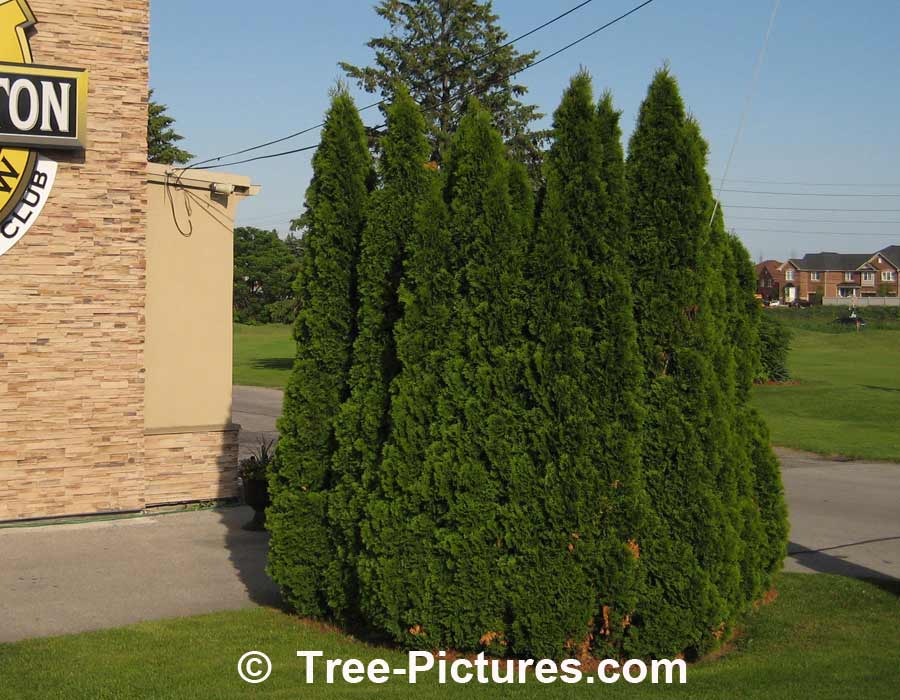
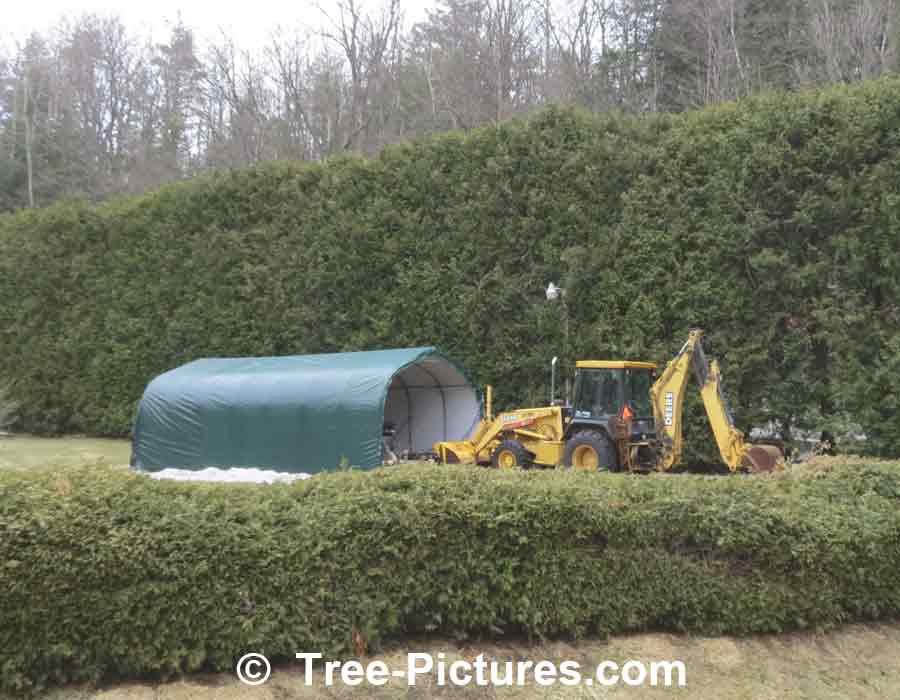
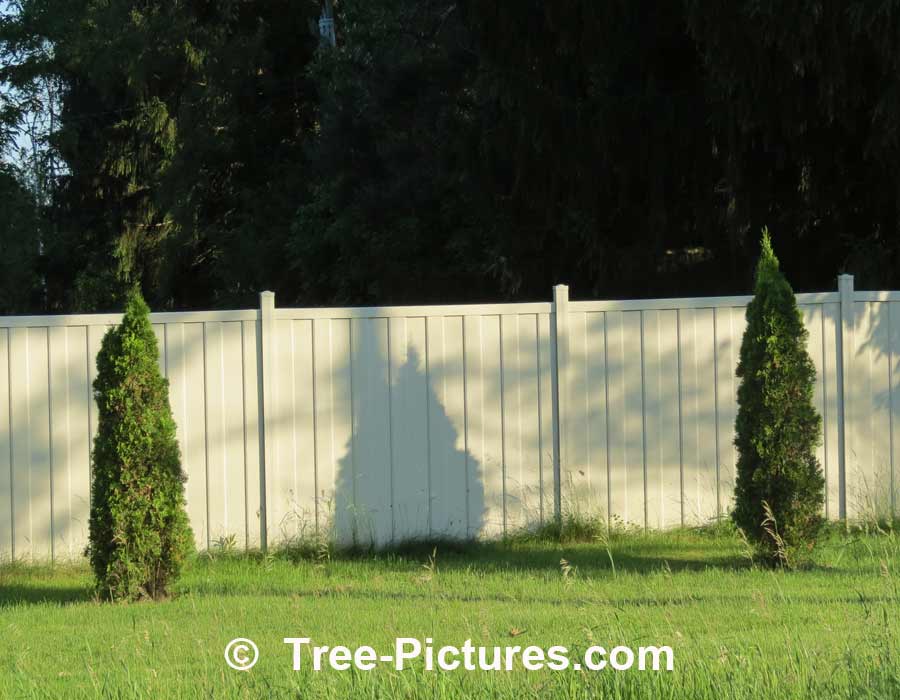
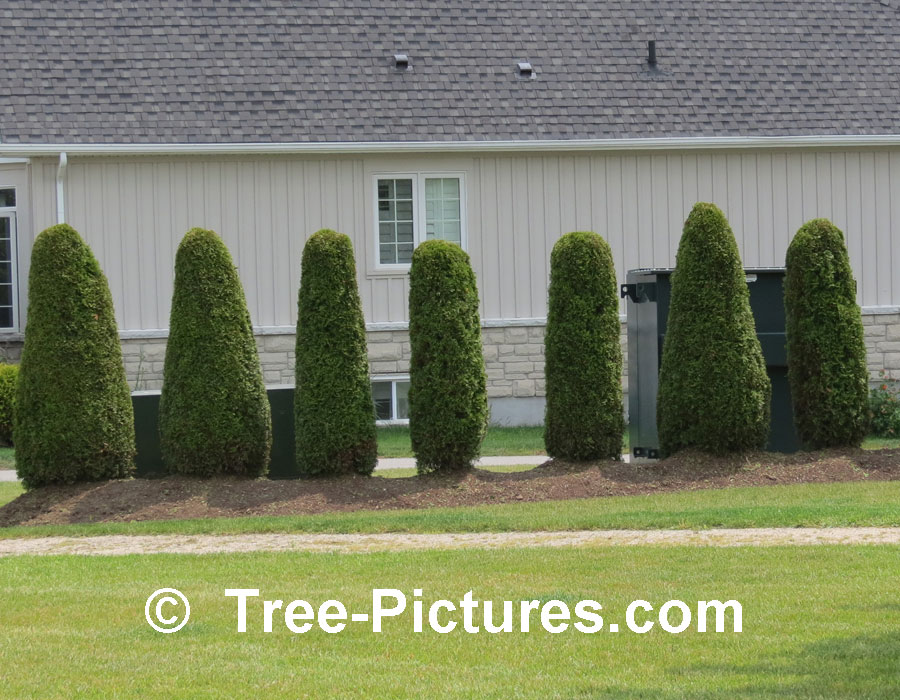
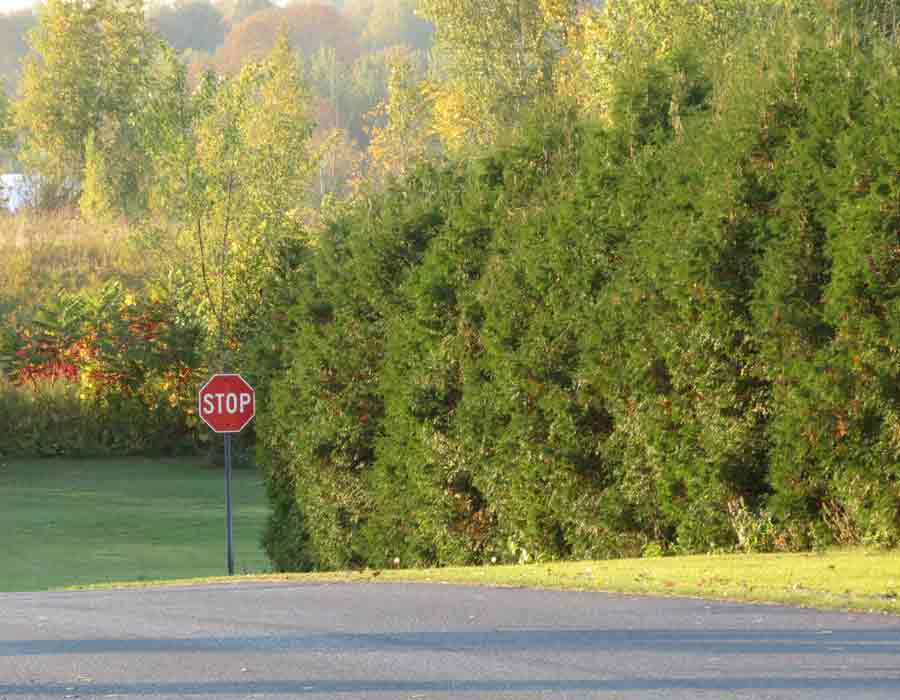
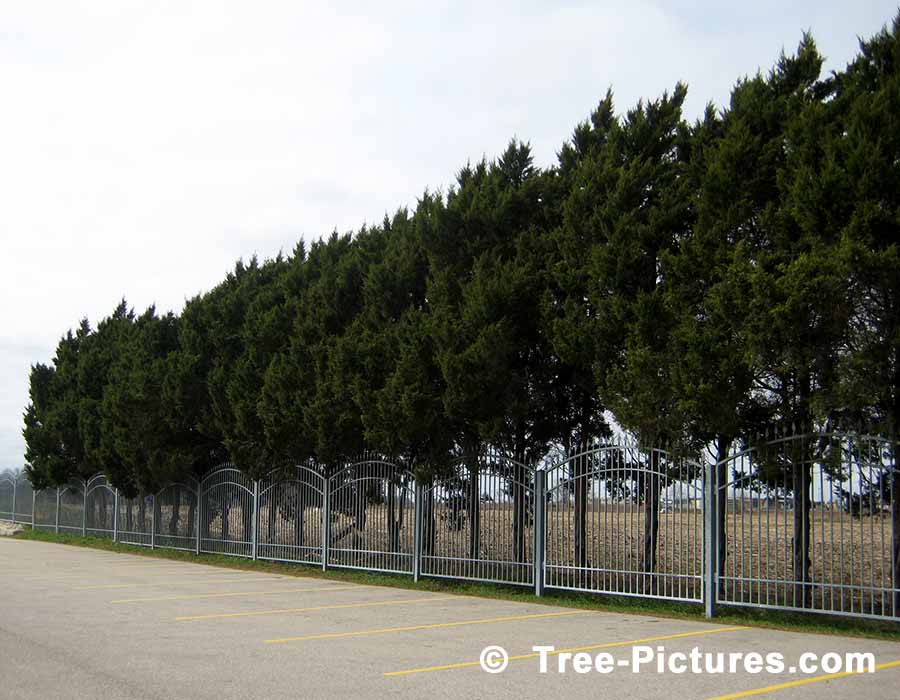
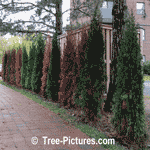
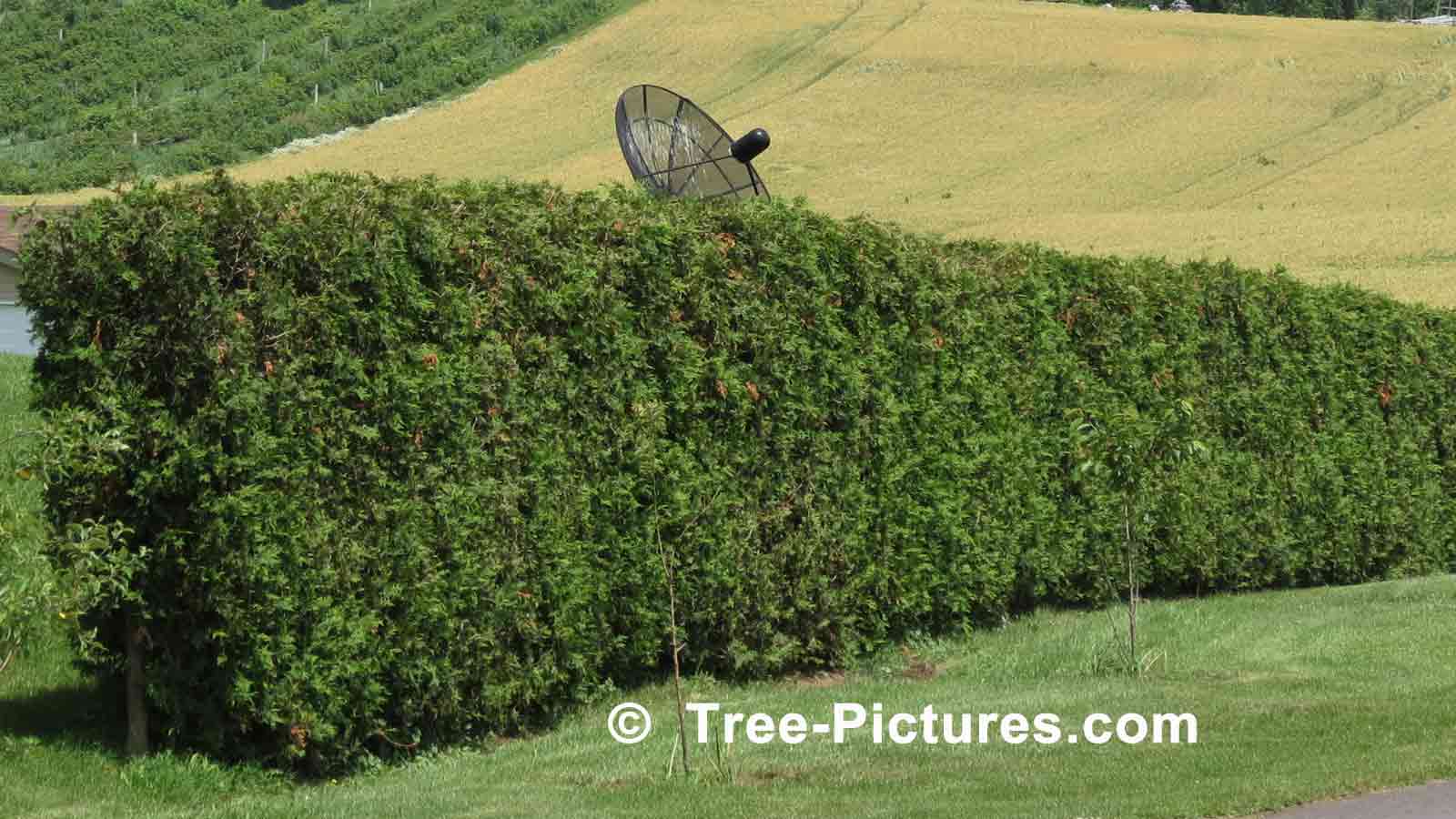
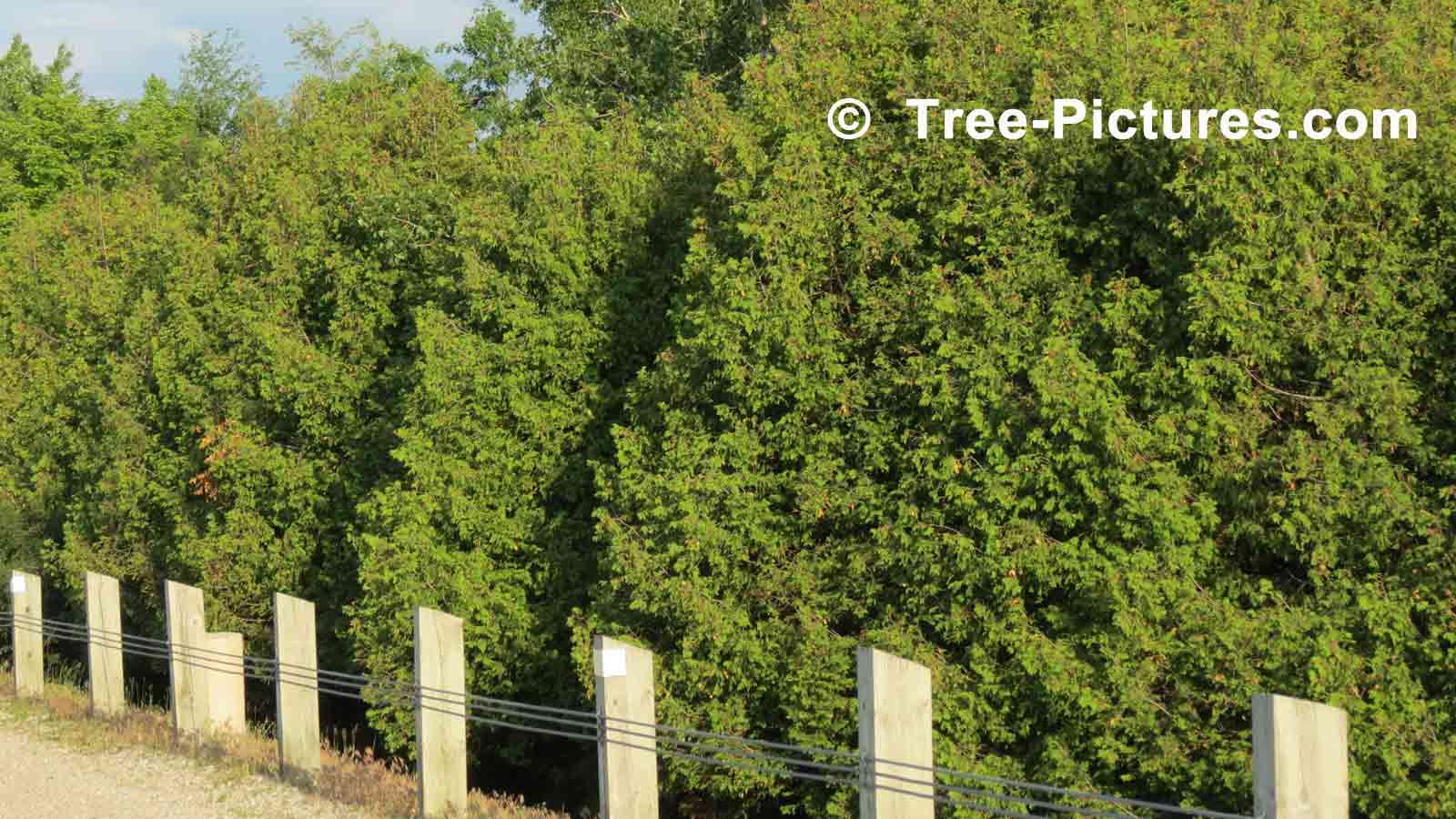
Cedar Tree Hedge Cedar Trees Cedar Tree Row
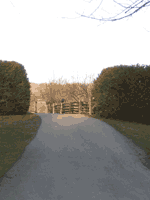
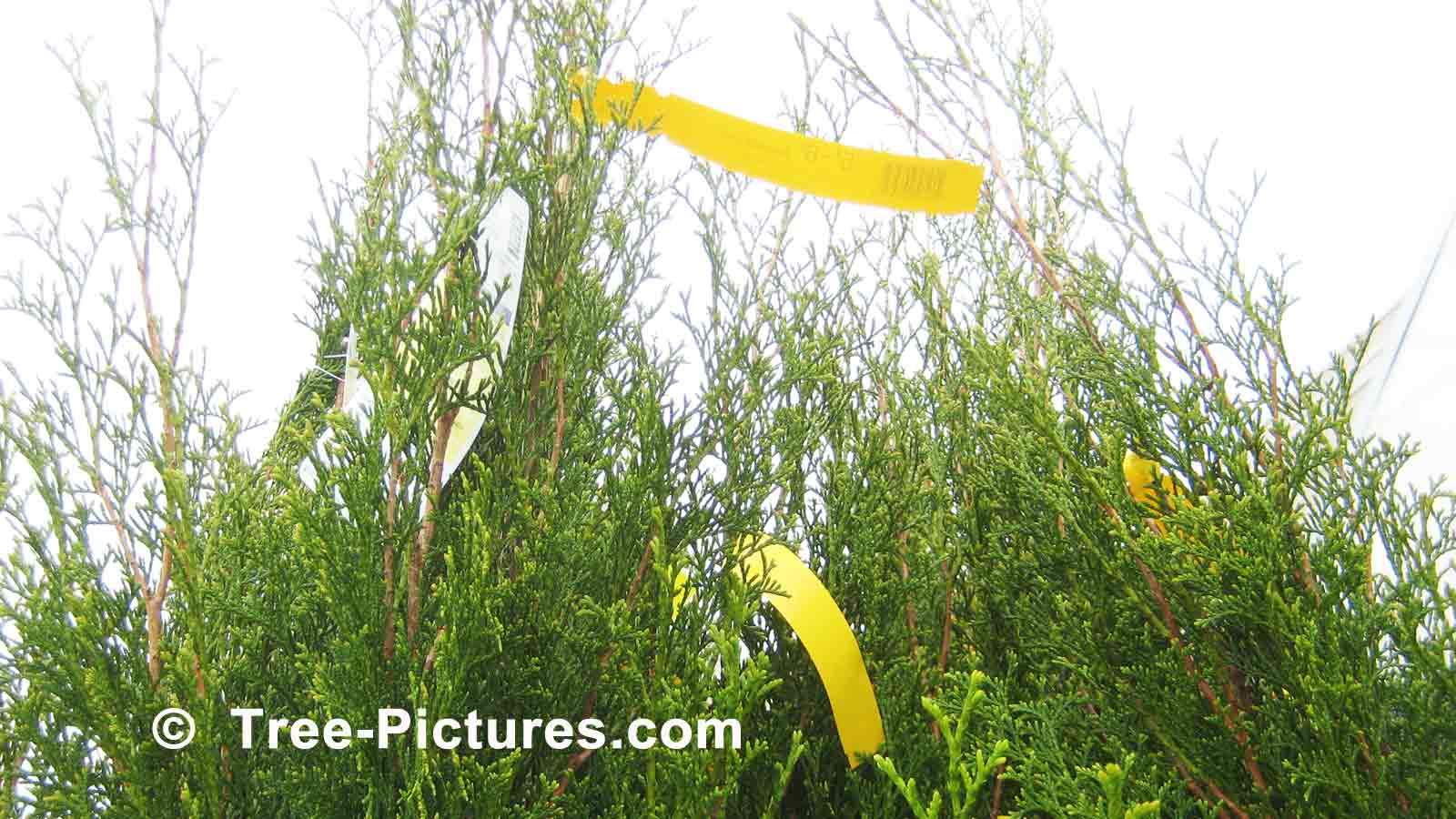
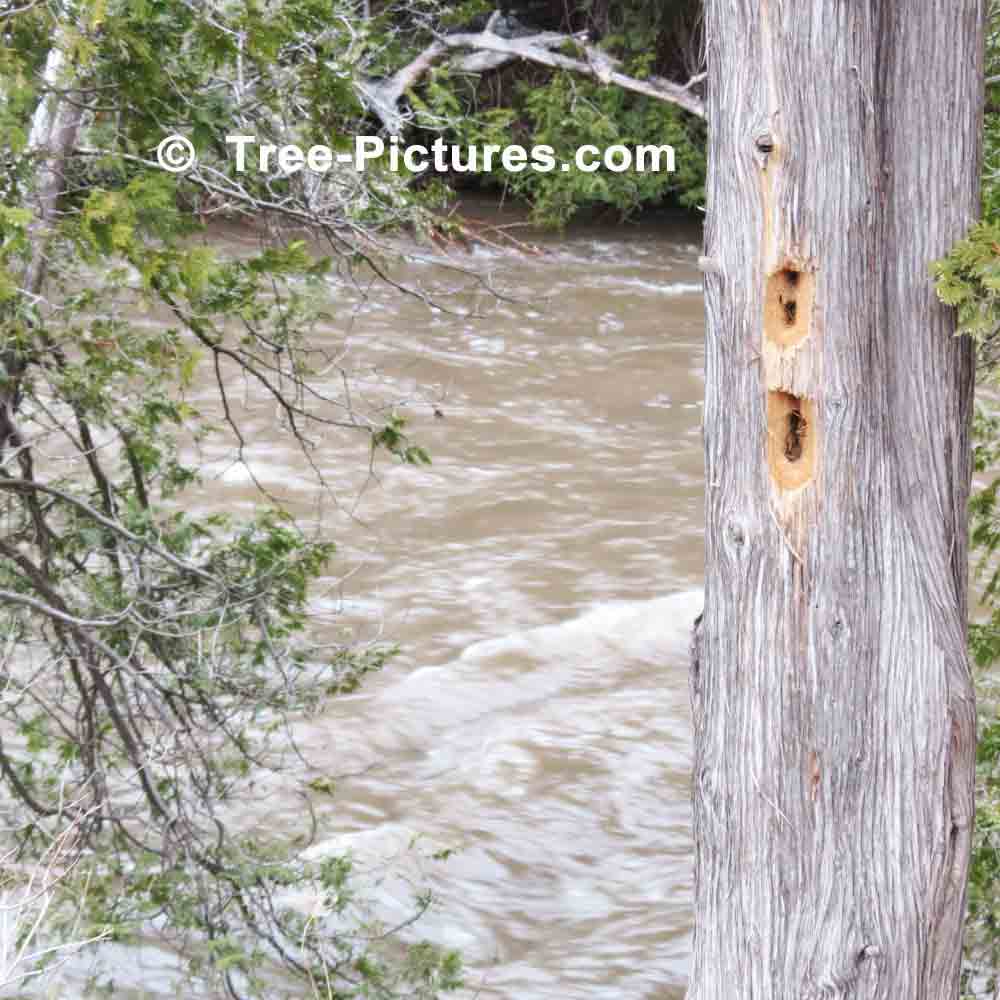
Cedar Tree Leaves Cedar Tree Bark Cedar Tree Lane
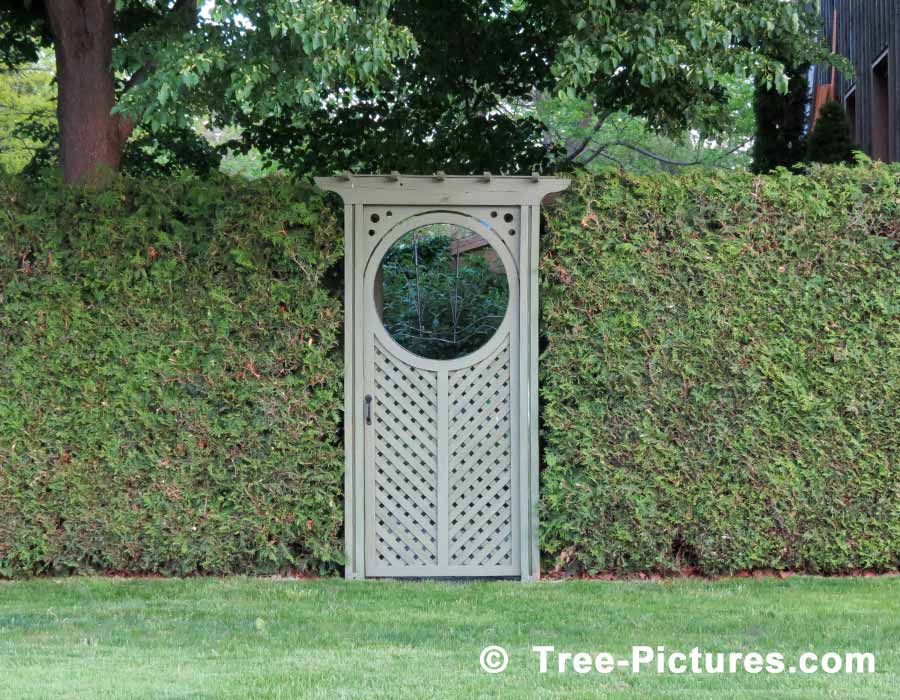
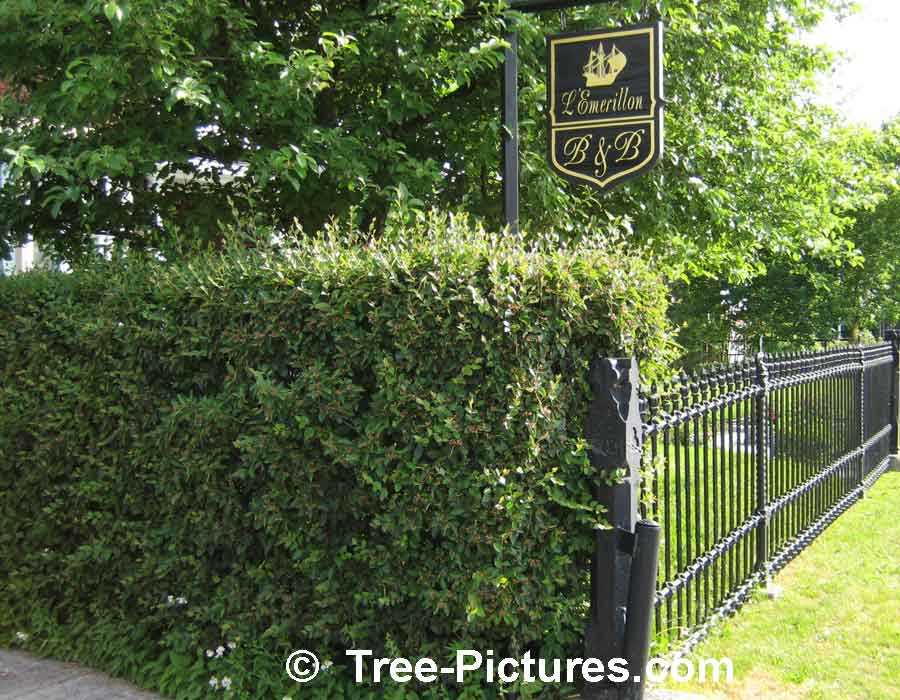
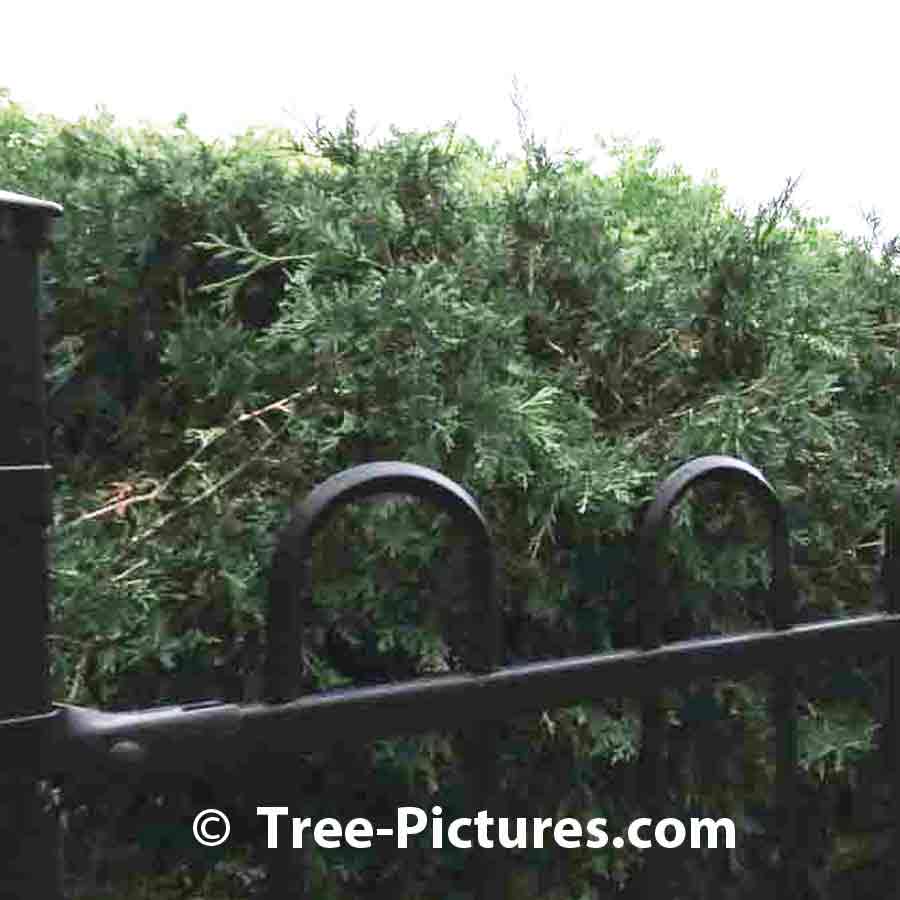
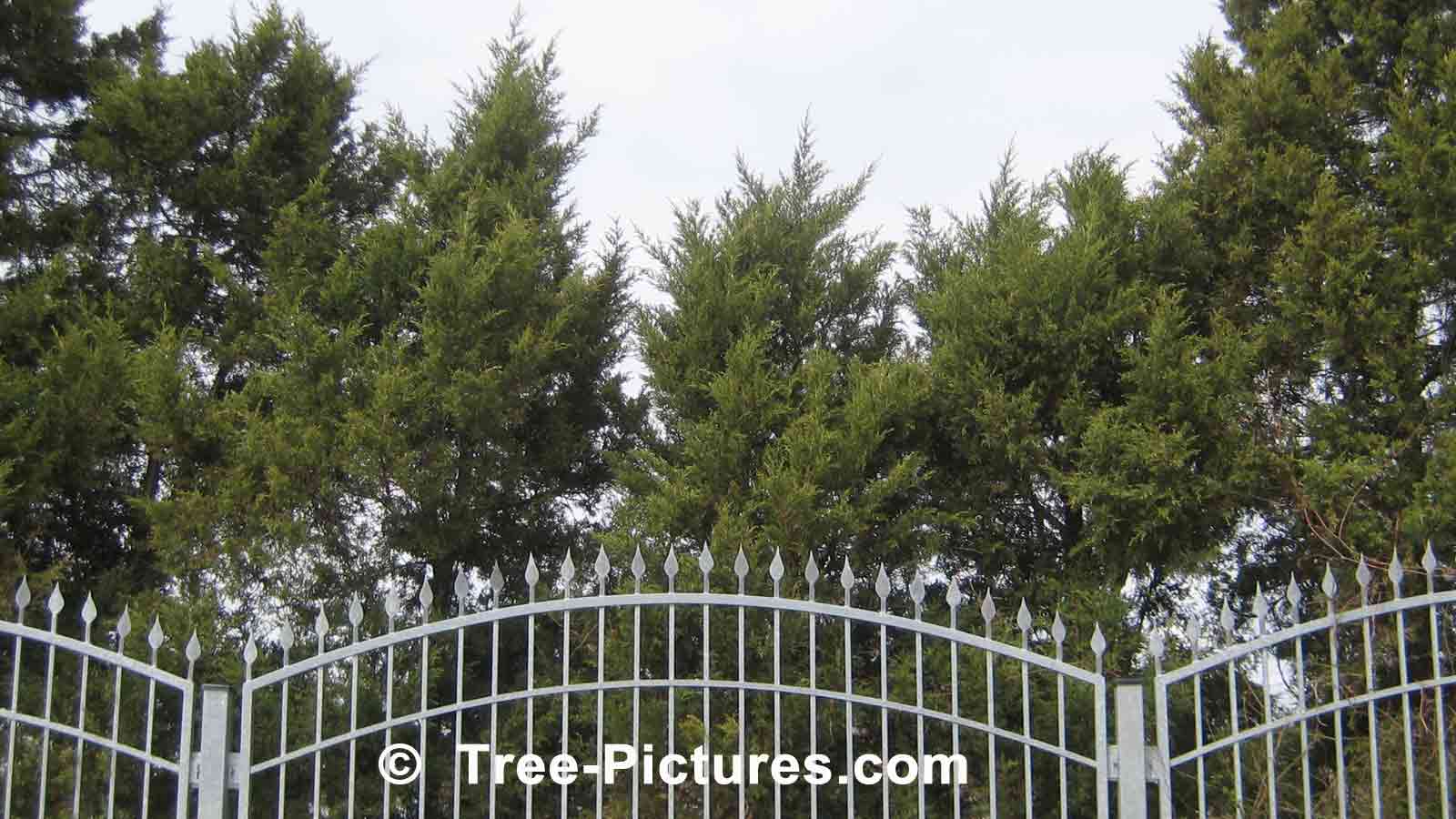
Cedar Tree Hedge with Gate Cedar Tree Leaf
Cedar Tree Comments
Cedar Trees: Love the smell of the cedar when you rub the leaves in your fingers. One can also slow burn the green cedar branches with leaves to create a lovely sweet cedar smoke scent
Cedar Tree Care

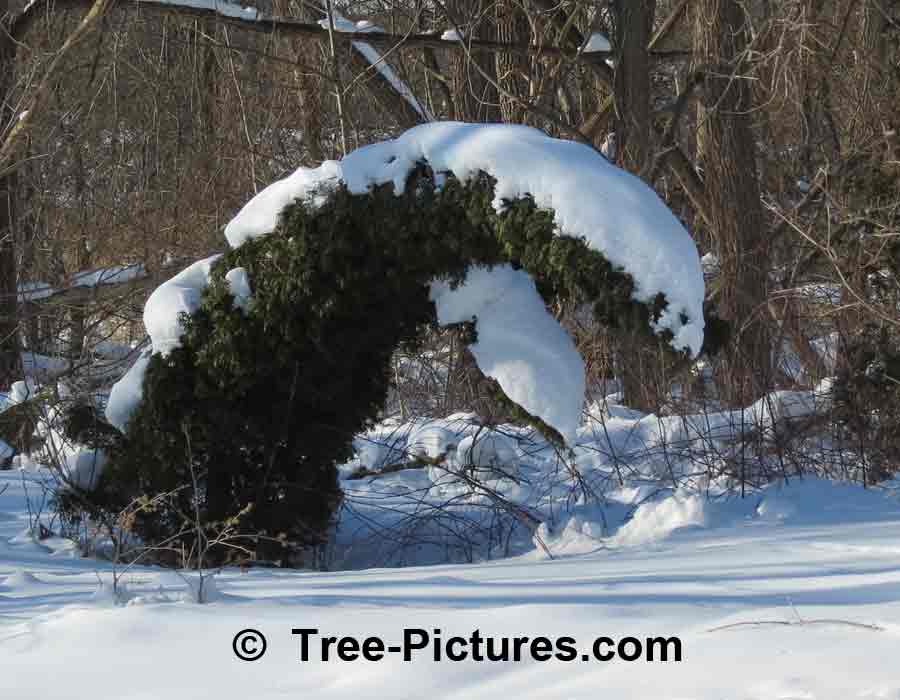
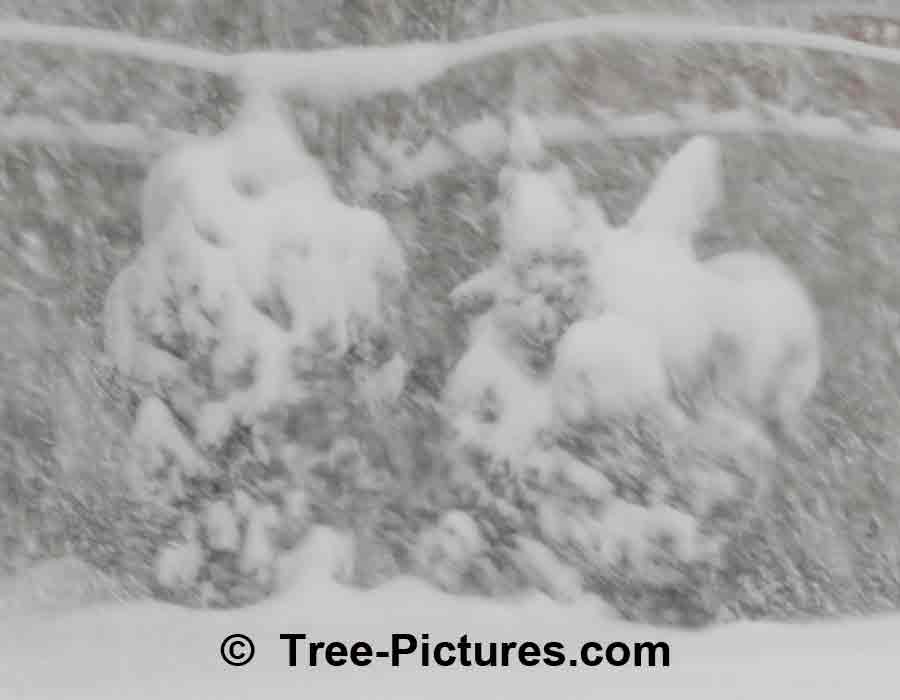
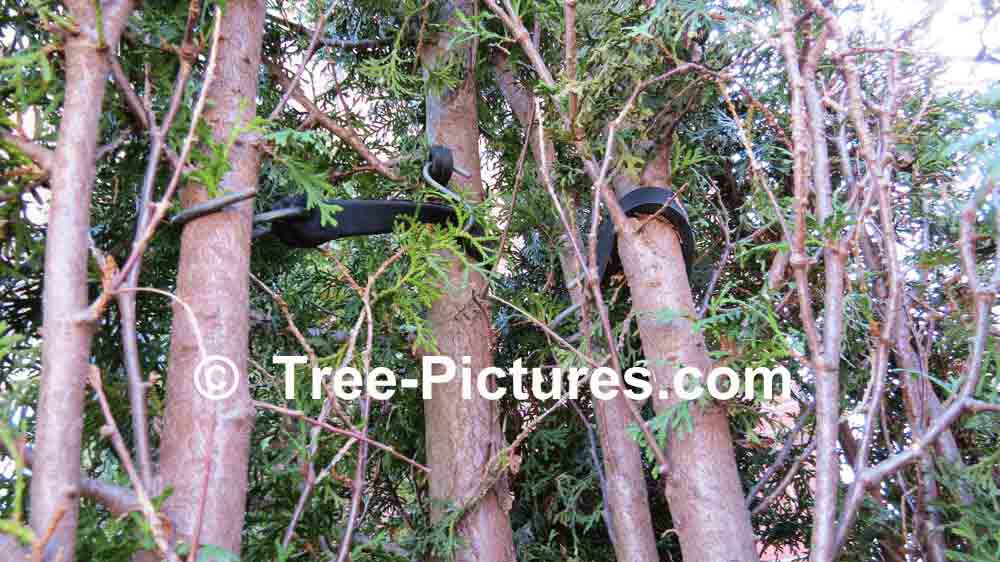
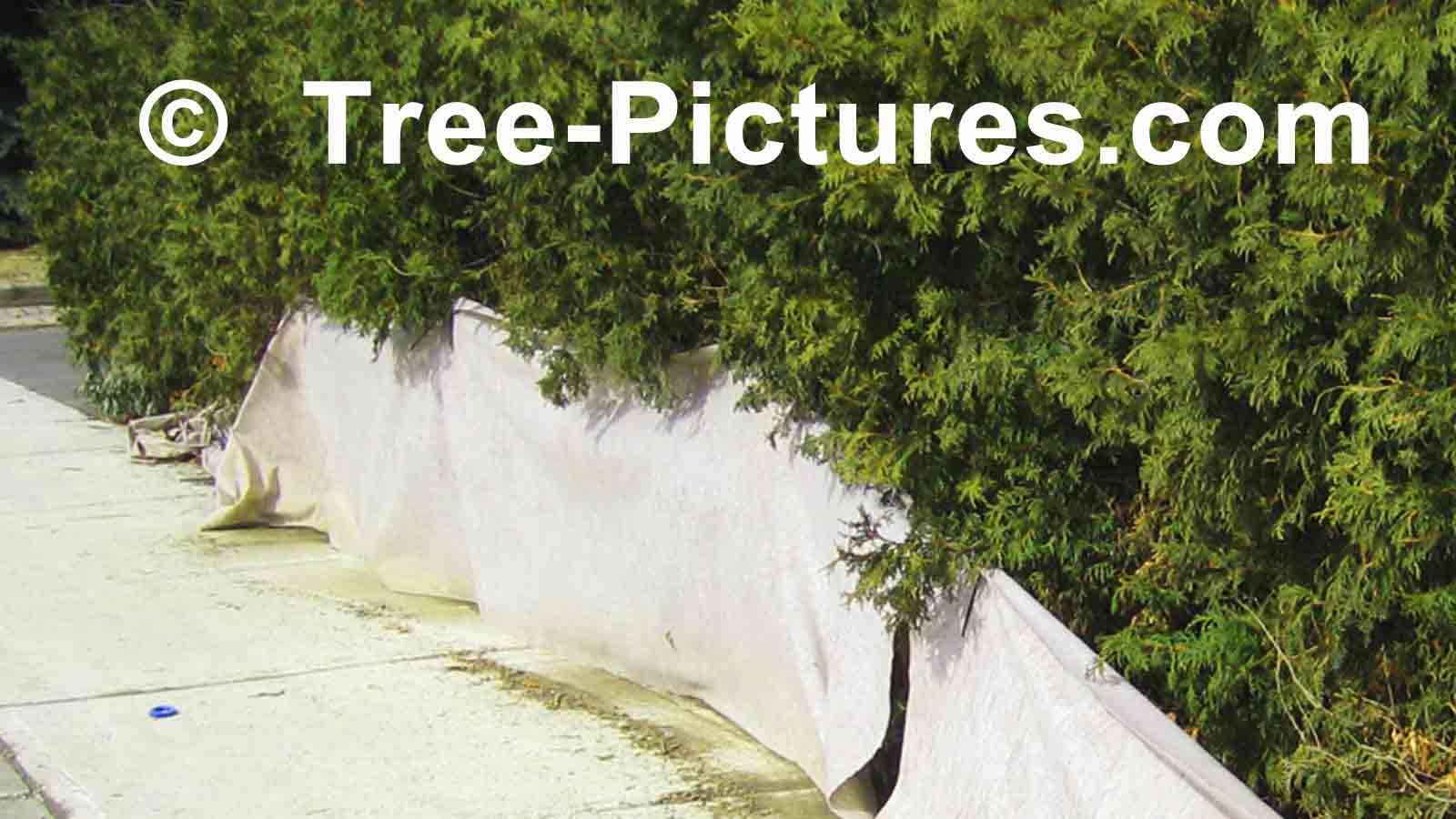
Cedar trees do bend well under the weight of heavy wet snow and when hit with ice storms. The green cedar branches do return somewhat but it is best to beat off any heavy snow build up right away.
Smash any ice build up off but be careful as damage will occur to the cedar leaves and branches because ice has adhered to the leaves. If you have a cedar hedge, the importance and task grows with the number of trees you have.
How does one tie back 25+ cedars trees? Time consuming headache, Lots of stakes and ropes.
Cedar Tree Hedge
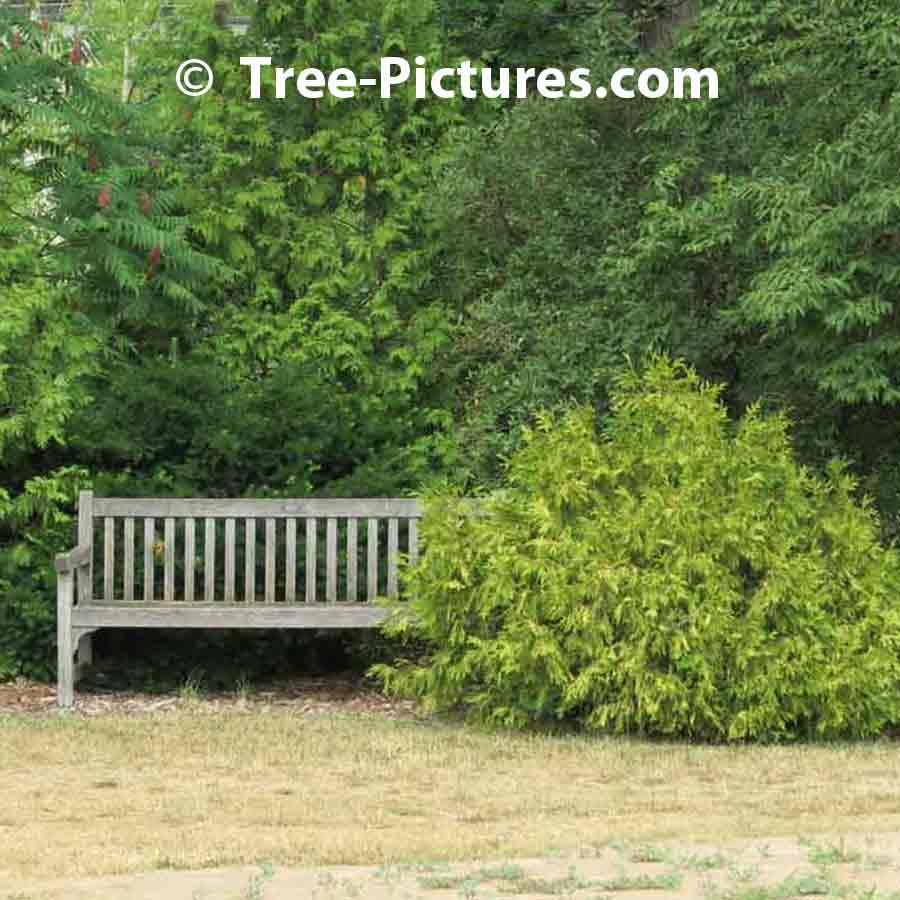
Cedar trees are evergreen, leaves stay on year round, and make great privacy hedges to hide objects such as transformers, fire hydrants, neighbors old car ... and Spring time is a great growing time to plant cedars as the ground is wet, the sun not too hot to dry out the soil, so your maintenance of the trees is minimal and risk of tree loss is at it's lowest.
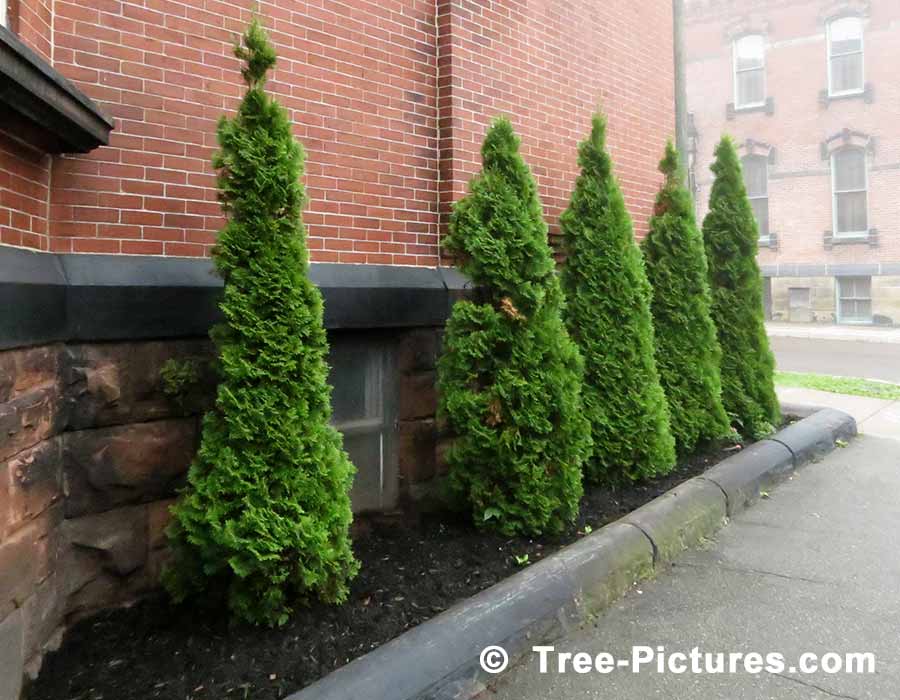
Emerald Cedar Trees
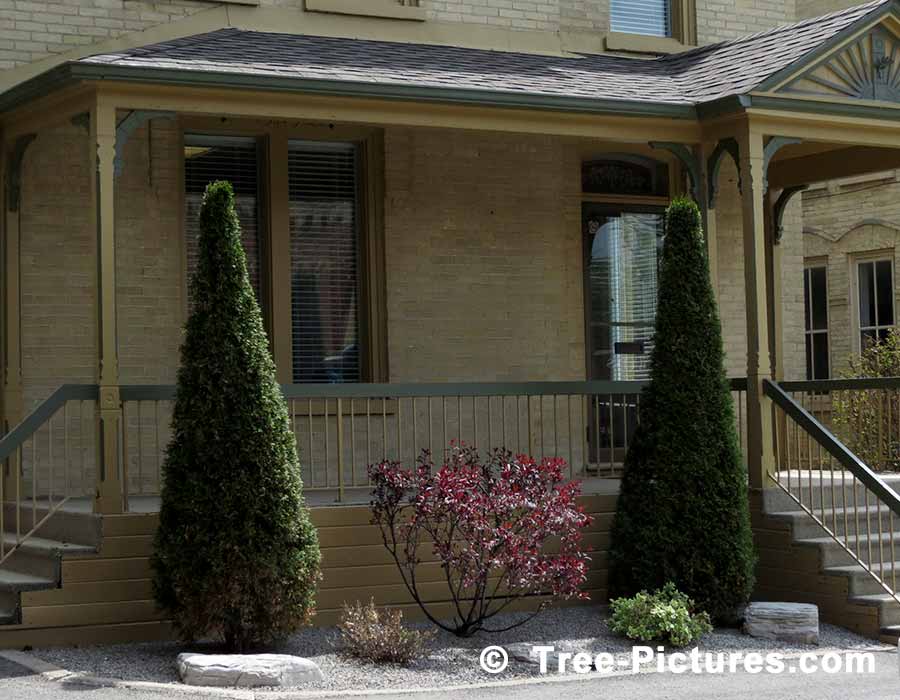
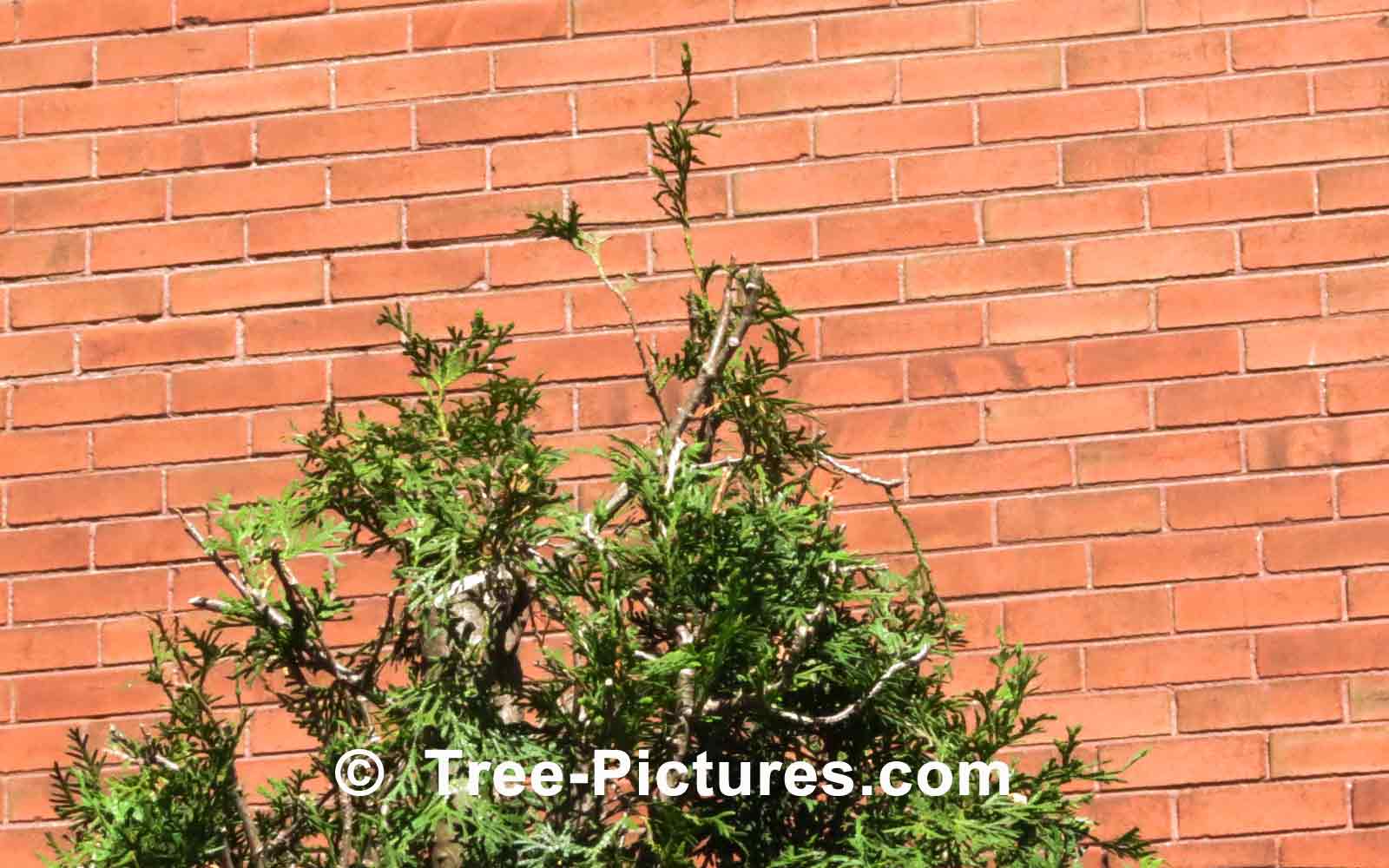
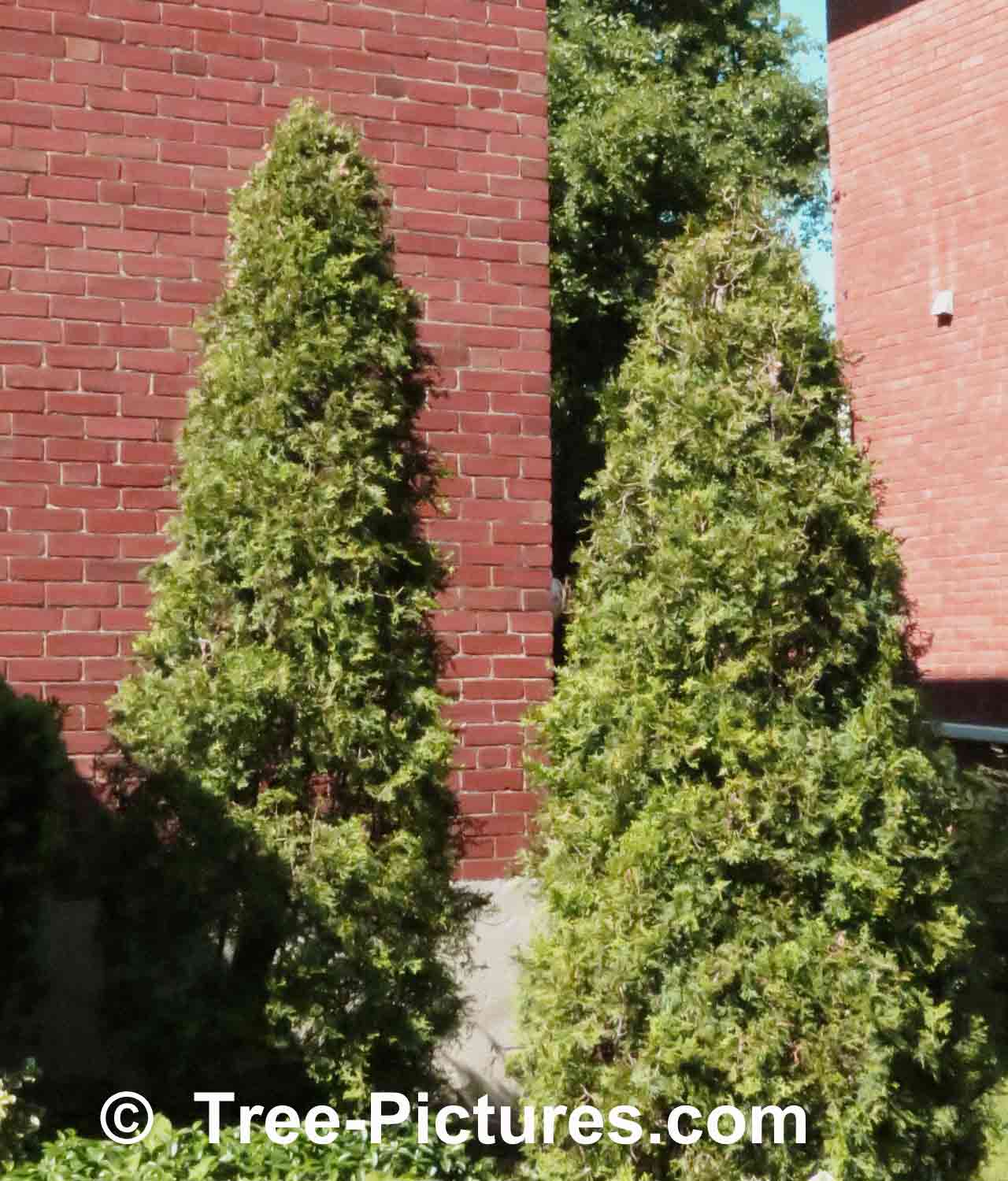
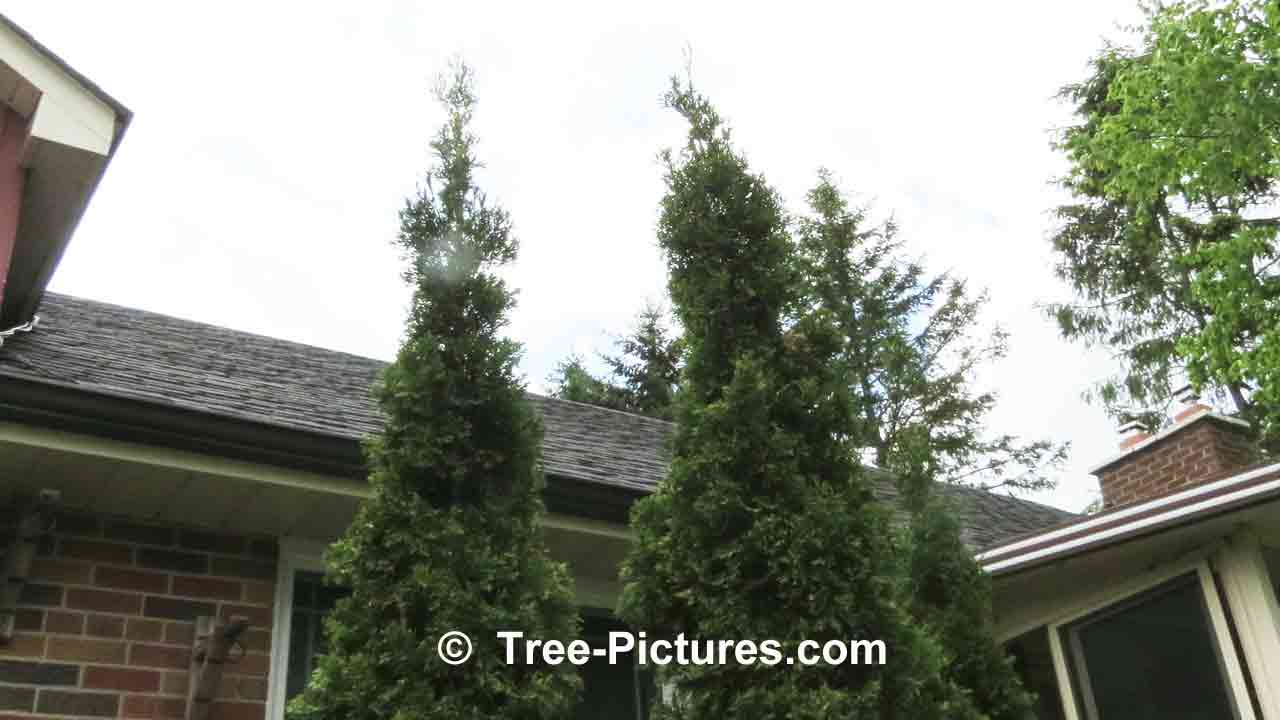
Emerald or pyramidal cedar is readily sold by the truck load at the local building store and garden centers in Spring. Pyramidal cedar's bright green dense leaf foliage are great for decorative hedges but if privacy is a concern the emerald or pyramidal cedar must be planted close together and given many years to offer the privacy of a fence.
White or black cedar trees make better privacy hedges. These can to be found at your higher end garden or landscape center. These cedars will grow together better into a wider and taller hedge that will offer you the privacy, wind protection and hide any large objects that you don't want to see.
Are Your Cedar Trees Turning Brown?
Here are some of the reasons why your cedar trees are turning brown.
- Drought Stress - not enough water
- Flagging - normal process during tree growth
- Insects - spider mites, weevils
- Disease - root rot, fungus that flourishes in overly damp soil
Cedar Trees Trimmed
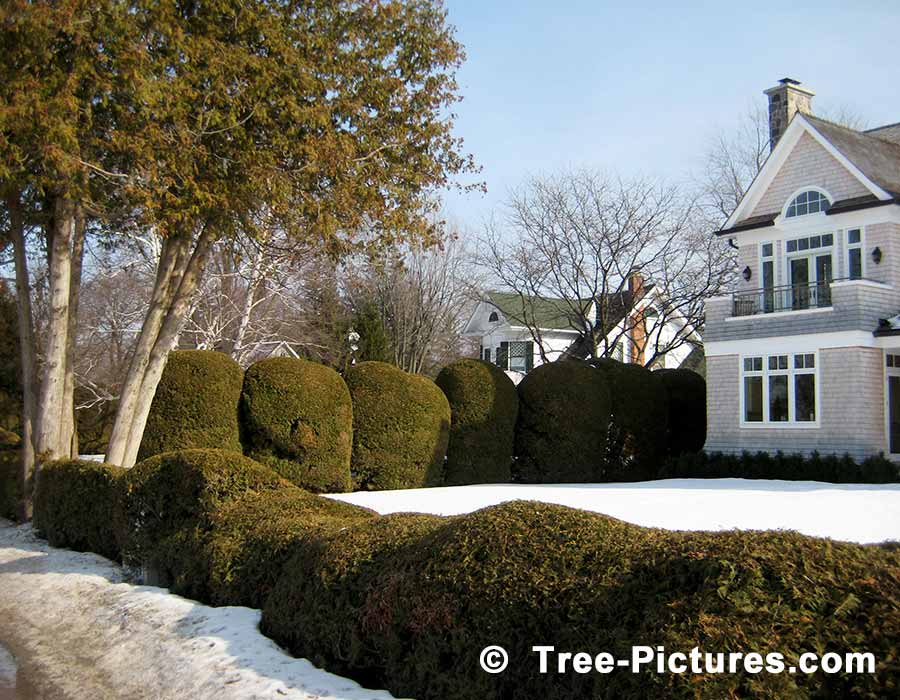
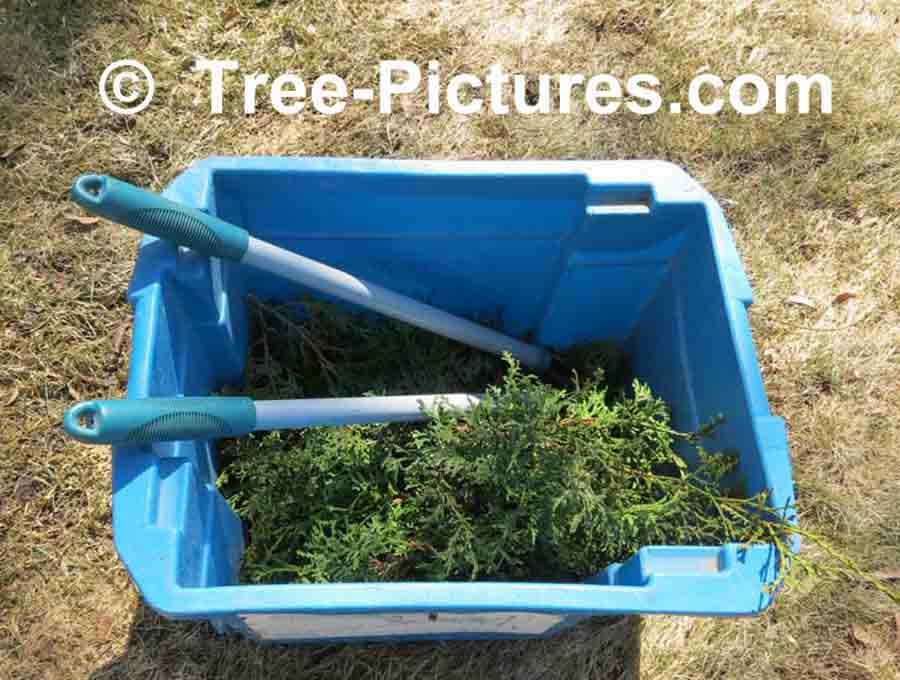
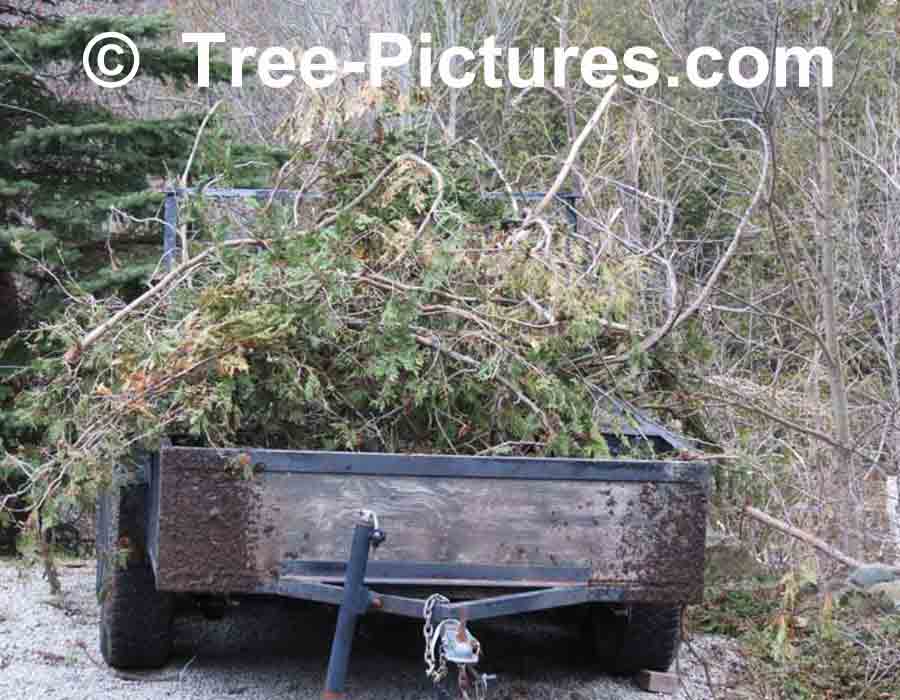
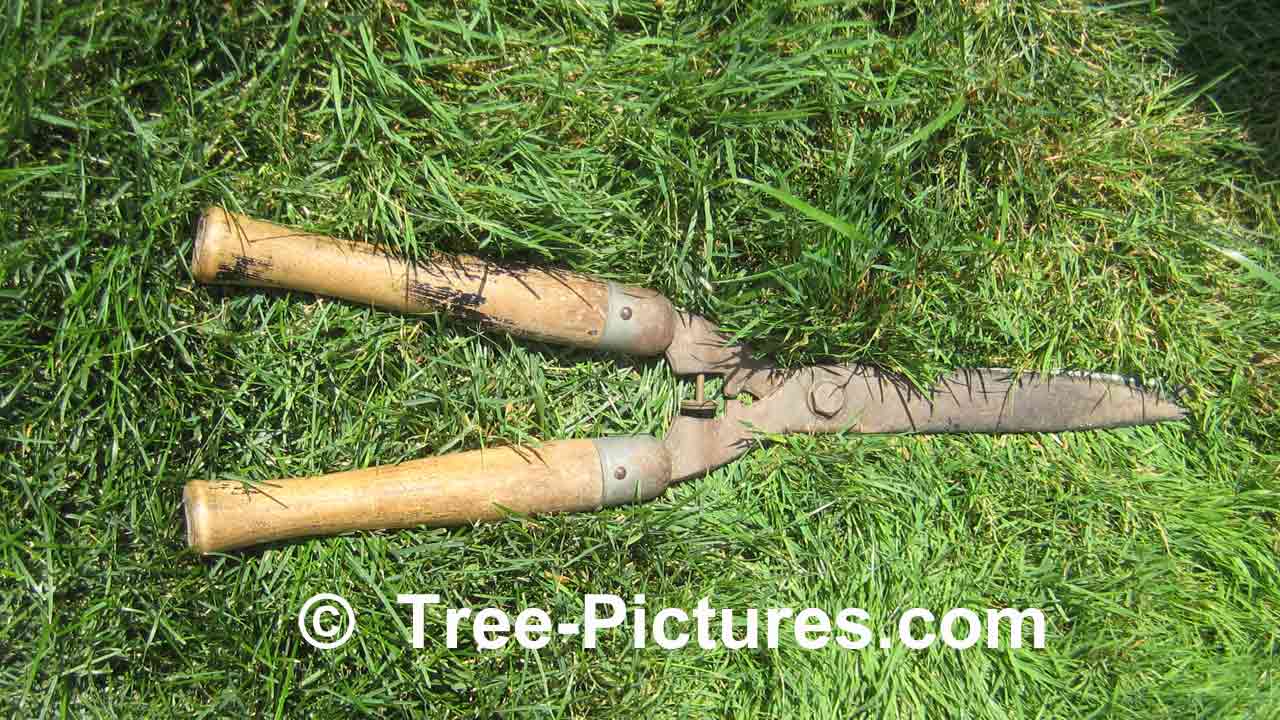
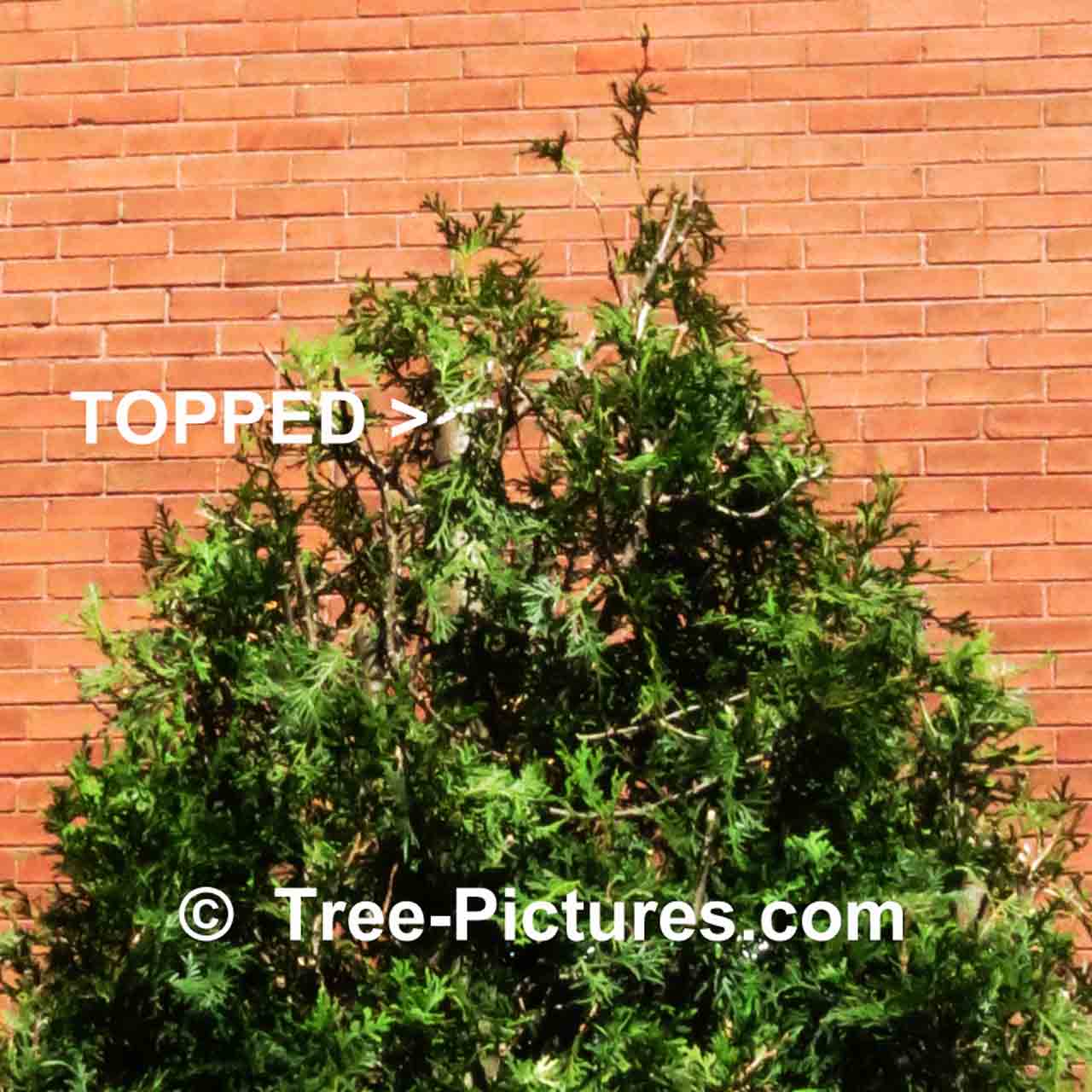
Cedar hedges which are trimmed and shaped at least once a year always look best.
Cedar Hedge
Eastern White Cedar trees are the most popular trees for creating a natural hedge. They are inexpensive, easy to transplant and grow quickly. They are an excellent choice as a privacy fence, windbreak, or for noise reduction.
Cedars can serve two privacy purposes. One to prevent neighboring eyes from seeing you ... and second to prevent and hide undesirable objects from your view.
Cedar Hedge Privacy Example: a neighbors driveway borders your property and now mature 20 foot (6 metre) high cedars hide the activity of coming and going of traffic.
Cedar Hedges
Cedars are the perfect option to create a living fence. A mature cedar hedge offers great year round privacy but can also be used to define and remind your neighbors where your property line is.
Cedar tree hedges on larger properties can be used to section areas of the property, run along pathways, frame vegetable gardens and decorate long fence lines, they can also be planted as a feature in your garden.
A hedge is the simplest form of topiary and is used to create boundaries, walls or screens.
Dieback of cedar hedging is fairly common and can be caused for a variety of reasons. If the whole tree has died it suggests damage to the root system either during planting or due to environmental stresses. Cedar hedges are less likely to die as a result of disease, insects, or injury caused by the animal population.
Cedar Mulch
Cedar mulch is a popular decorative landscape treatment for garden beds.
Cedar mulch is processed from the bark and unused materials from lumber and wood production. Cedar mulch suppresses weed growth, conserves water, minimizes soil erosion and is a natural insect repellent.
You can purchase cedar mulch in a variety of colors. Cedar mulch has a natural reddish hue but can be dyed brown, black or bright red. The pigments are derived from natural sources and will not harm people, pets or plants. Over time the cedar mulch will fade when exposed to sunlight.
You may not want to use cedar mulch in your vegetable garden as it could be phytotoxic to your plants.
Cedar Incense
Natural red cedar incense is a by product of the timber industry. You can purchase red cedar incense in the form of cones or sticks. The sweet smell of fresh cut cedar can transform any room into a comfy log cabin in the woods. The fragrance creates a mood of tranquility and peace of mind.
Cedar of Lebanon
The national emblem of Lebanon. This tree is valued for its high quality wood. This cedar was used in the construction of Solomon's Temple in Jerusalem as well as the ship building industry.
Log Home Construction
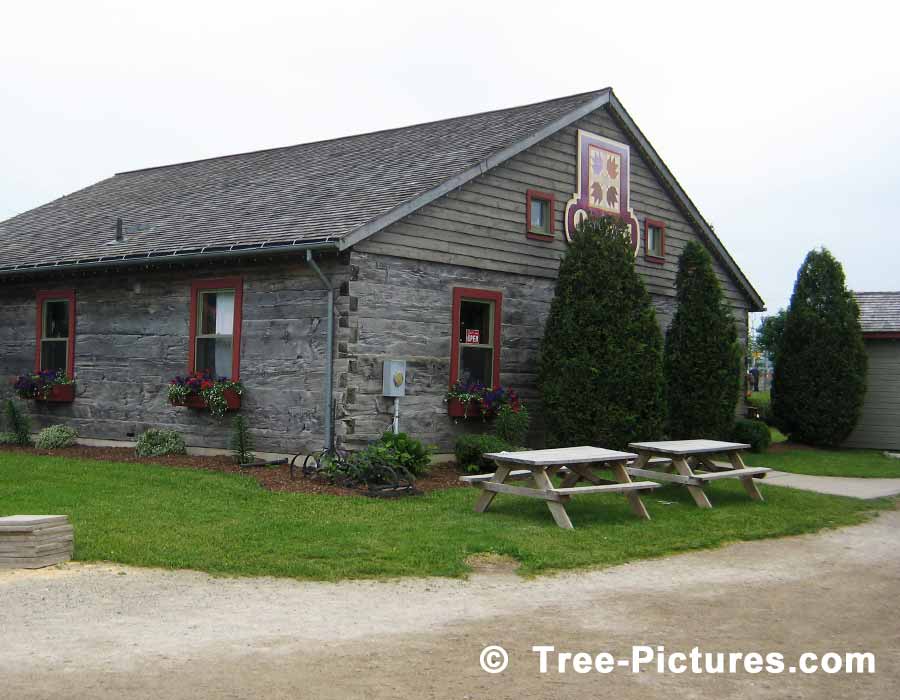
You might be wondering what types of trees are used to build log homes. The logs used for your home should be graded for structural use. Your choice of logs may depend on cost, availability and preference. Your log cabin may be built from pine, douglas fir, spruce, cedar, oak or cypress.
The cost of your home will depend on the wood you choose. Pine is the most affordable because there is plenty of it. Cedar is known for its aromatic scent and the mighty oak for its strength and variety of grain and color.
What to Consider When Buying Cedar Trees?
A:One thing you must do is to inspect the trees: Confirm the health of the trees, thick leaf growth, the cedars are to be freshly dug and are well-established mature trees.
B: Consider where are your planting the trees, is it good soil and moist conditions
C: Calculate how many linear feet you would like or need to create your hedge - alternatively how many trees do you need planted if a alternating a two row wind break.
D: What do you want your hedge line to look? Need instant privacy height of 6 to 8 feet? Or do you plan to trim them squared off or rounded .. alternately happy to let them grow naturally
E: Is there a guarantee on the trees and what are the conditions.
Thank you for visiting our Cedar Tree Pictures, please feel free to check out more great tree pictures on our tree page list!
Cedar Tree References
Cedar Trees Allergies; Cedar Tree Pollen, Cedar Tree species most responsible for Cedar Fever is the Ashe Juniper
Western Red Cedar Trees; Thuja plicata, go to link to view pictures of Western Red Cedar Trees and Western Red Cedar Tree Facts
Yellow Cedar Trees; large sized cedar tree, to 80 feet tall, 24 metres high, referred as the Chamaecyparis nootkatensis, pictures of Yellow Cedar Trees and Yellow Cedar Tree Facts
Eastern Red Trees medium sized cedar tree, 35-65 feet tall(10-20 metres high). Red cedar tree some times referred to as just cedar tree, juniper, savin, evergreen, cedar apple, and Virginia red cedar. The red cedar is used by many tribes for incense, ritual, tea and medicine, for many tribes the red cedar tree symbolizes the tree of life Eastern Red Trees
Cedar Tree Poaching; Largest and oldest Cedar Trees live over 800 plus years Red Cedar Trees
Cedar Shoe Trees Crafted out of cedar wood. shoe trees help remove moisture and odor from your shoes, they are made expandable to maintain the shape of your shoes for a long time.
Type of Trees
Tree Pictures - Recent Tree Additions
- Trees & Birds: Unique Bird Houses
- Magnolia Flowers: Spring Blooms
- Trees: Damage by Ice Storm
- Christmas: Xmas Trees Lights & Decorations
- Pines: Mediterranean Pine Trees
- 8 Impressive Tree Pictures
- 3 New Fall Maple Tree Leaf Pictures
- Autumn Tree Photos, 10 Impressive Fall Tree Pictures
- Magnolia Tree Pictures, More Impressive Magnolia Tree Blossoms
- Tropical Tree Pictures, 8 Impressive Bermuda Tree Pictures
- Hibiscus Pictures, Eight Impressive Hibiscus Tree Flower Photos
- Christmas Tree Pictures, 8 Impressive Christmas Tree Photos
- Winter Tree Pictures, 10 Impressive Winter Tree Photos
- Forest Path Tree Pictures, 10 Impressive Trees on the Forest Path
- Oak Tree Pictures, 8 Impressive Photos of Oak Trees
- Cedar Trees 10 Impressive Photos of Cedar Trees
- Pine Trees, 10 Favorite Photos of Pine Trees
- Rose Flowers, Dozen Beautiful Photos of Roses in Flower
- Spring Tree Images, Trees Photos During the Spring Season
- Tree Shrub Photos, Eiffel Tower Rhododendrons, Paris
- New Mountain Ash Photos added, A Species of Ash Trees
Tweet
Tree Pictures - Recent Images
Click on the Tree Photo for a full enlarged picture or click on the Category below to go to the Tree Gallery page for that tree species
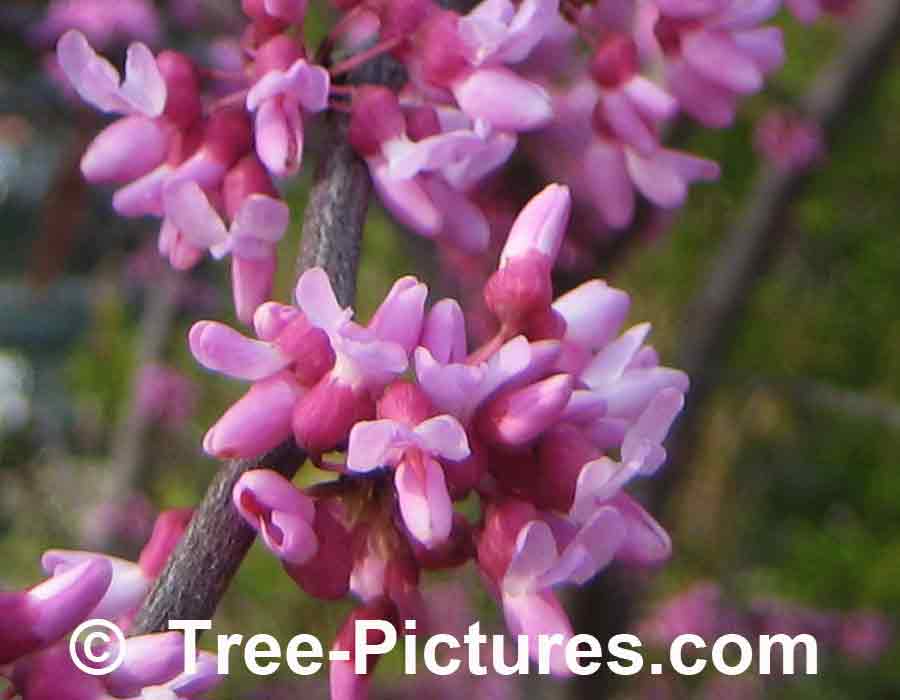
Looking for a background image of a beautiful tree to use as on your desktop computer then check out these beautiful tree pictures you can use as free tree wallpaper.
Have a really beautiful tree picture that might look good on Tree-Pictures.com, just email us your image, please include if you know which type of tree it is.
Type of Trees
Trees Pictures Translate
Tree Picture pages can be viewed in 56 languages. Select your preferred language to convert all tree picture pages!
Tree-Pictures.com Thank You
Hopefully, you found some great tree images and tree categories that you like? Best bookmark Tree-Pictures.com now, if you did not, so you can come back easily next time.
Please feel free to refer Tree-Pictures.com and our Tree Photo Library to any family, friends, & associates who could benefit .. Thank you and please do come back soon to see more great tree pictures!
Picture Sites
Pictures of Trees
Fireplace Pictures
Caribbean Pictures
Fun Tree Pictures
Gazebo Pictures
Tree Pictures
Log Home Pictures
Church Pictures
Waterfall Pictures
Dual Screen Pictures
Touch Games
Shadow Puppet Pictures
Symbolism
Job Applications
Make Hot Pictures
Tree-Pictures.com Copyright © 2006- |
Contact Tree Pictures |
Tree Pictures Privacy
All rights reserved. Reproduction in whole or in part in any form or medium without express written permission is prohibited.

Top Tree Search
Hickory Trees
Linden Trees
Butternut Trees
Mountain Ash Trees
Cedar Trees
Walnut Trees
Elm Trees
Willow Trees
Black Tupelo Trees
Fruit Tree Photos
Nut Tree Pictures
Butternut Trees
Chestnut Trees
Horse Chestnut Trees
Hickory Trees
Oak Trees
Palm Trees
Pecan Trees
Walnut Trees
Evergreen Trees
Christmas Trees
Douglas Fir Trees
Fir Trees
Monkey Trees
Pine Trees
Spruce Trees
Tamarack Pine Trees
White Pine Trees
Flowering Trees
Flowering Cherry Tree
Flowering Dogwood
Ginkgo Biloba Trees
Lilac Trees
Magnolia Trees
Peach Tree Pictures
Flowering Pear Tree
Flowering Plum Tree
Redbud Tree
Sassafras Trees
Deciduous Trees
Ash Trees
Birch Tree
Cherry Tree
Dogwood
Ginkgo Biloba Trees
Lilac Trees
Magnolia Trees
Maple Trees
Oak Trees
Peach Tree Pictures
Flowering Pear Tree
Flowering Plum Tree
Redbud Tree
Sassafras Trees

Christmas Trees
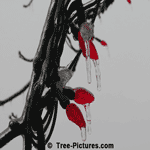
Ice Storm Trees
Tree-Pictures.com Languages
Tree Pictures in Spanish
Tree Pictures in French
Tree Pictures in Italian
Tree Pictures in German
Tree Pictures in Portuguese
Tree Pictures in Russian