


Arborvitae Tree
Ash Tree
Ash Tree Images
Apple Trees
Apple Tree Pics
Apricot Tree
Aspen Tree
Bald Cypress
Beech Tree
Birch Trees
Black Tupelo
Butternut Trees
Catalpa Tree
Cedar Trees
Cedar Tree
Cherry Trees
Cherry Tree
Chestnut Trees
Chestnut Tree
Christmas Trees
Coffee Tree
Cypress Tree
Dogwood Trees
Douglas Fir Tree
Ebony Tree
Elm Tree Pics
Fir Tree Photos
Ginkgo Bilobas
Ginkgo Biloba
Hackberry Trees
Hawthorn Trees
Hawthorn Tree
Hickory Trees
Honey Locust
Horse Chestnut
Lilac Tree
Lilac Shrub
Linden Tree Pics
Magnolia Trees
Maple Trees
Maple Tree
Maple Japanese
Monkey Trees
Mountain Ash
Oak Trees
Oak Tree Pics
Olive Trees
Olive Tree
Orange Trees
Palm Trees
Palm Tree
Peach Tree Pics
Peach Tree
Pear Trees
Pecan Tree
Pecan Trees
Plum Trees
Pine Trees
Pine Tree Photos
Poplar Tree
Poplar Tree Pics
Redbud Trees
Redbud Tree
Red Oak Trees
Redwood Trees
Sassafras Trees
Sequoia Trees
Silverbell Tree
Spruce Trees
Sycamore Tree
Tree Types
Walnut Trees
Willow Trees
Willow Trees
Zelkova Tree
Trees
Tree Service
Tree Stumps
Tree Quotes
Forest Pictures
Bird Houses
Bluebells
Magnolia Flowers
Rhododendrons
Roses
Rose Pictures
Forest Animals
Impressive Trees
Tree Wallpapers
Type of Tree Fun
Fun Tree Photos
Tree Pictures Blog
Tree Picture Map
Beech Tree Pictures
Beech Tree Pictures Gallery contains many pictures of different varieties list of different types of beech trees, useful information and facts about the beech tree. The beech tree loses its leaves in the fall and is therefore classified as a deciduous tree.
Beech Trees
For each Beech Tree Picture you like, just click on the tree photo to make the beech tree image enlarge.
Tree Galleries
Each tree category on the left gives you info about the specific tree type and lots of great pictures of that tree.
Beech Tree Forest
In the Beech Tree forests of Britain, Blue Bell flowers blanket the forest floor in Spring. A majestic sight and popular family outing, View more beech forest blue bells follow to our beautiful beech forest photos page.
Enjoy these beautiful pictures of Beech Trees.
Beech Tree Pictures
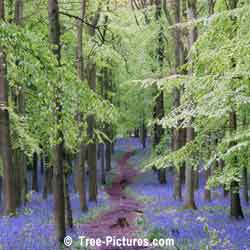 Beech Wood |
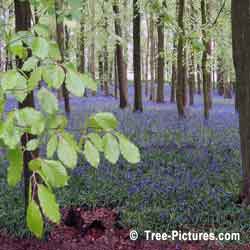 Beech Tree Leaves |
Beeches: American Beech Tree Type | |
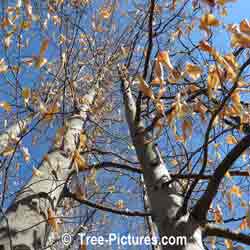 American Beech Trees |
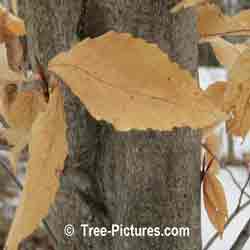 American Beech Leaf |
Beeches: European Beech Tree | |
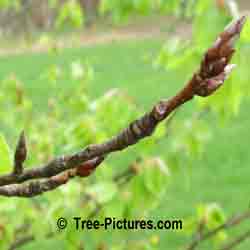 European Beech Bud |
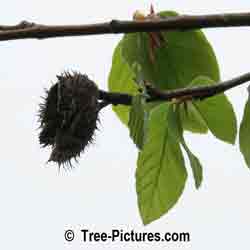 Beech Nut |
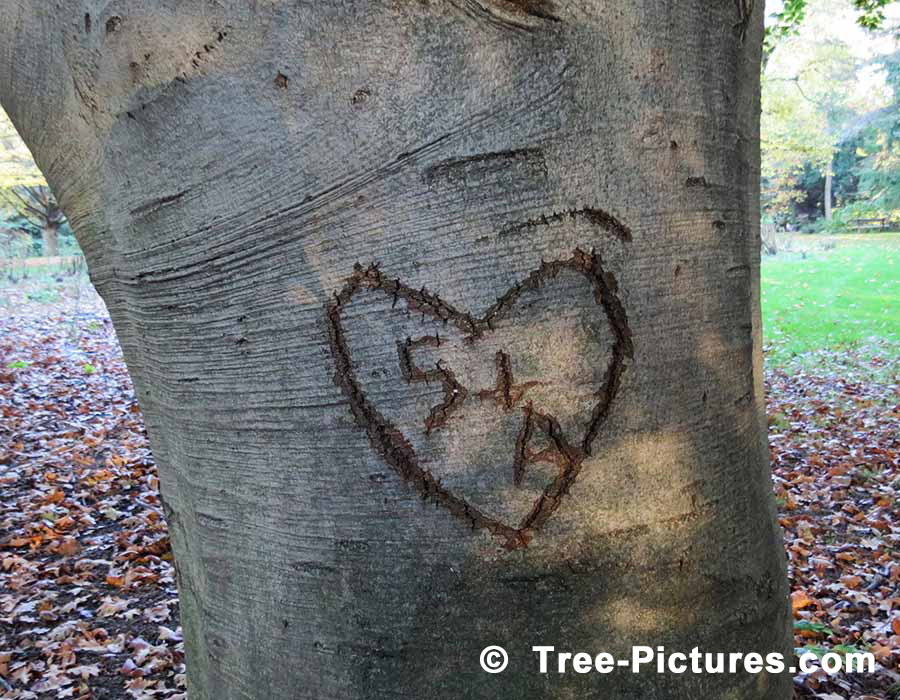 Beech Tree Carving |
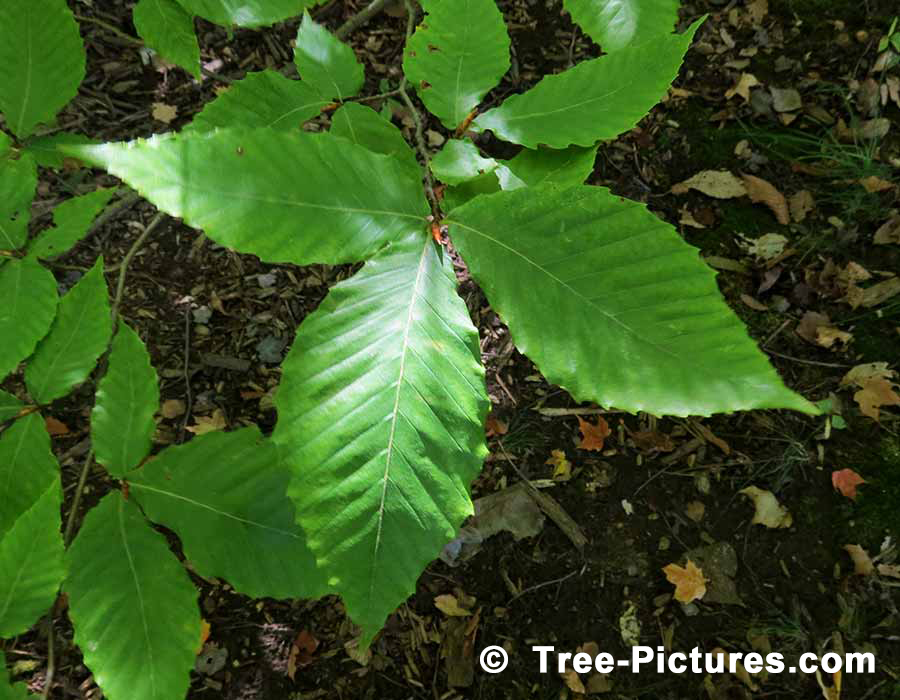 Beech Leaves |
More Beech Tree Photos
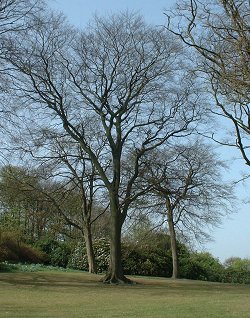
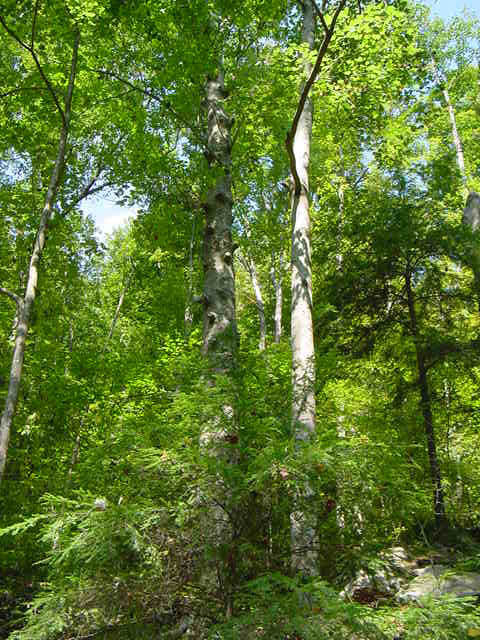
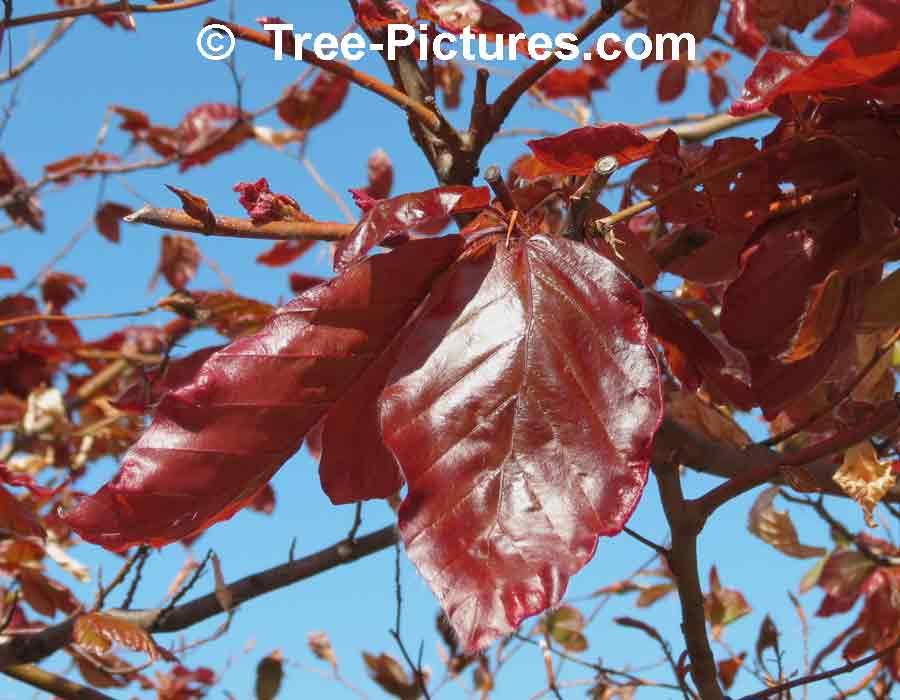
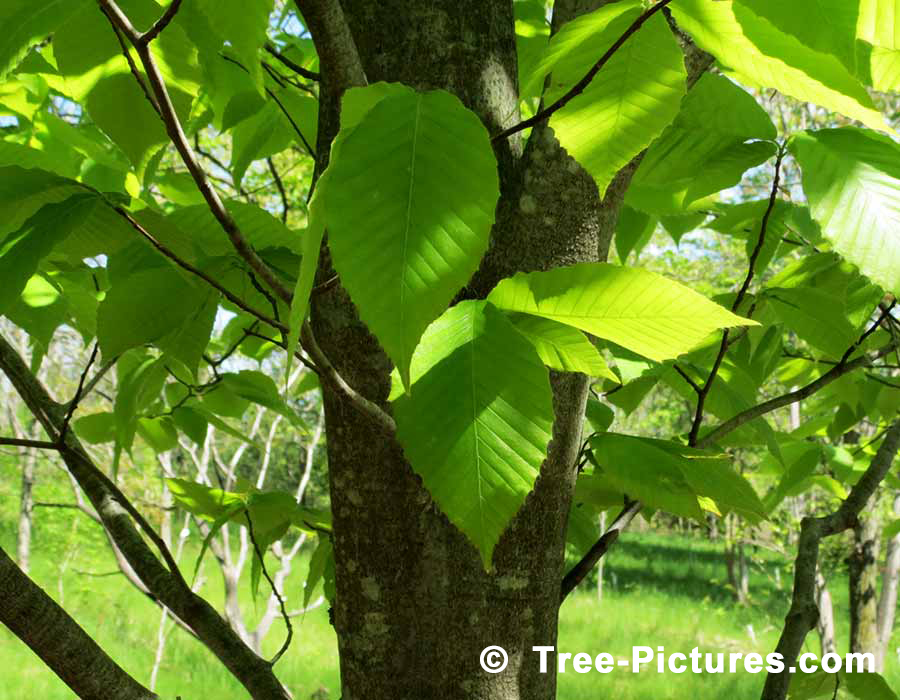
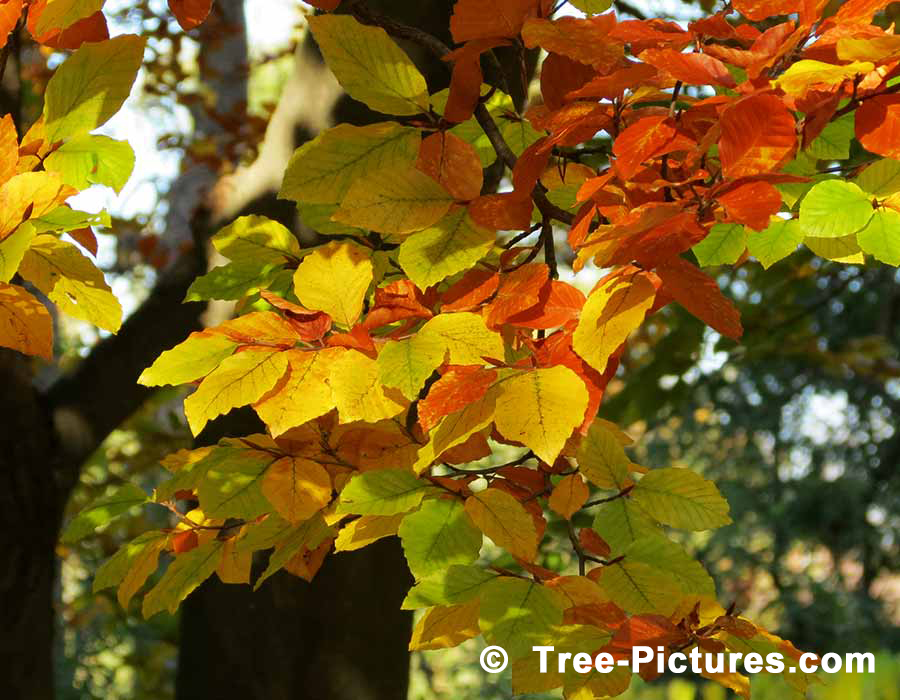

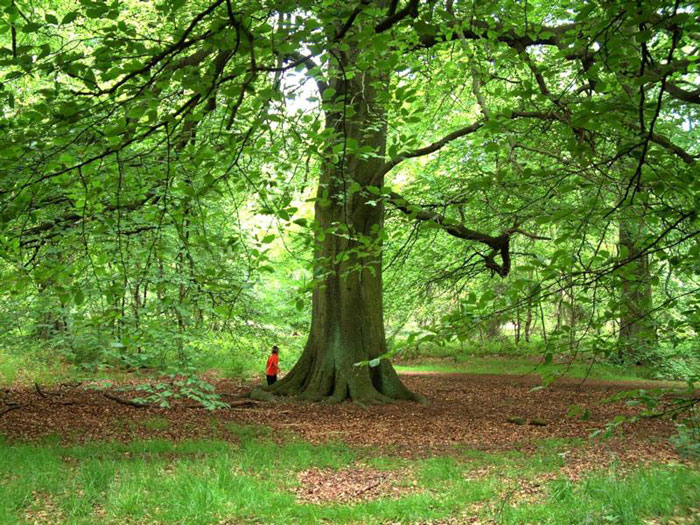
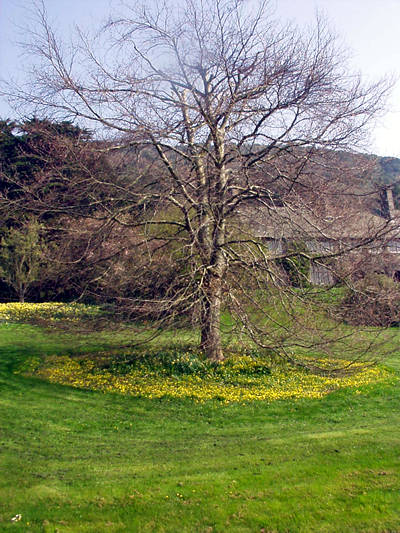
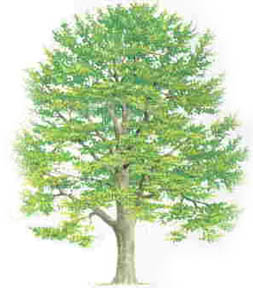

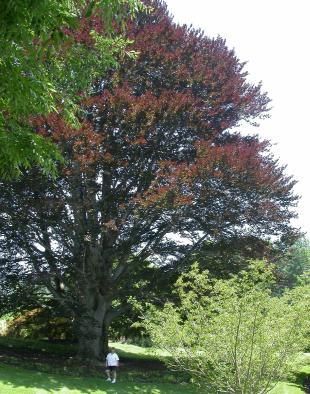
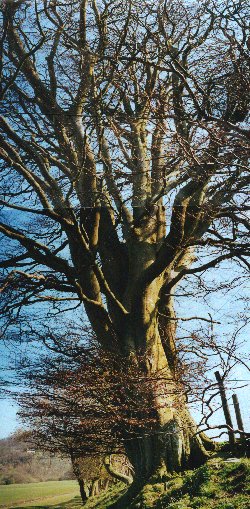
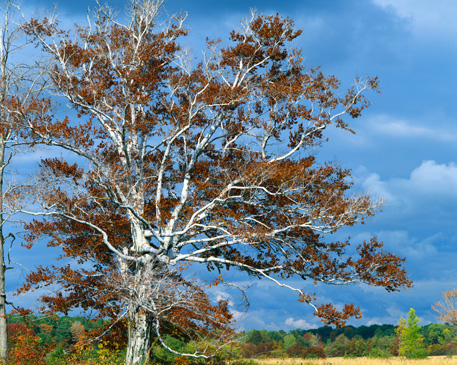
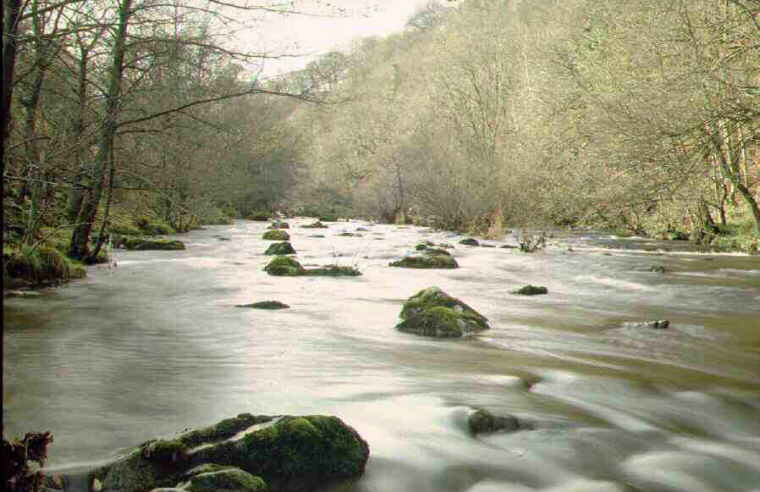
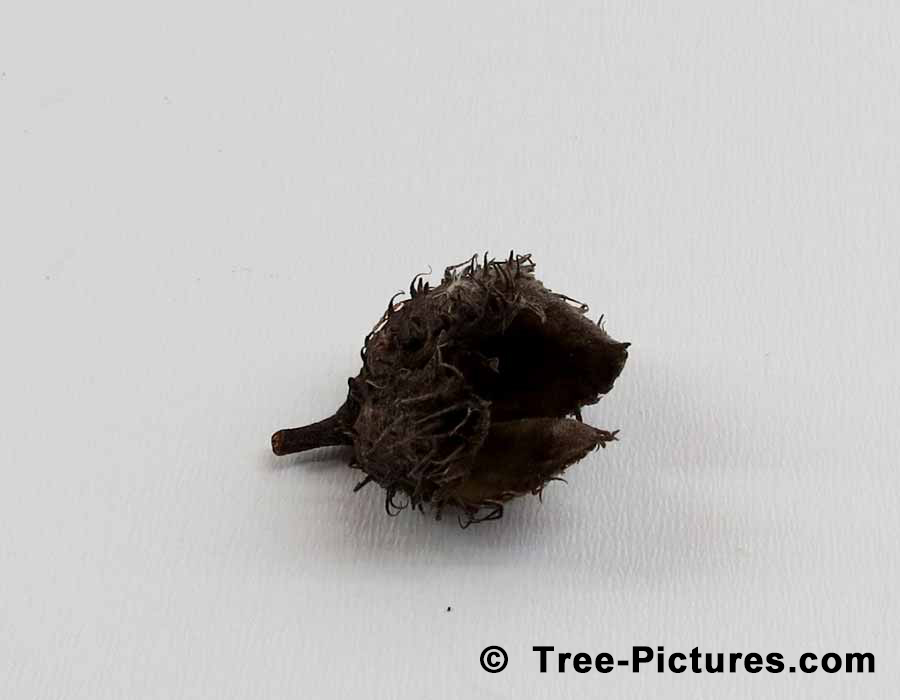
Beech Tree Scientific Name, Fagus
Beech trees lose their leaves in the fall and can therefore be classified as deciduous trees. Other deciduous trees include oak trees, birch trees, elm trees, maple trees,and most ash trees.
Beech Tree Types: Different Types of Beech Trees
- American Beech Tree, shade tolerant deciduous tree with golden bronze fall color
- Blue Beech Tree
- Chinese Beech Tree, native to China grows approximately 17 feet tall
- Copper Beech Tree, Fagus sylvatica
- Crimean Beech Tree
- European Beech Tree, also known as common beech. It is the tallest of the beech trees which loses its leaves in Spring
- Japanese Beech Tree, native to Japan both leaves and nuts are edible
- Japanese Blue Beech Tree, one of the main tree species in deciduous forests
- Mexican Beech Tree, commonly found in NE and Central Mexico in high altitude mountain forests
- Oriental Beech Tree, grows in mountainous forest regions of Turkey and Iran
- Purple Beech Tree
- Red Beech Tree
- Shining Beech Tree
- Silver Beech Tree, Lophozonia menziesii
- South Chinese Beech Tree, found in China and Vietnam
- Tricolor Beech Tree
- Weeping Beech Tree
Beech Tree Facts and Information on Beech Trees
There are several types of Beech Trees, for more detailed information on other types of Beech trees just search for Beech Tree Information on Google.
Feature Beech Species: American Beech
Beech, American
Fagus grandifolia
A very formal and stately tree. Leaves emerge in late spring, changing from shimmering
green to lustrous dark green to golden bronze in the fall. Smooth bark. Plant in
well-drained, aerated soil. Can be used as a hedge. Grows to 50'-70' with a 40' spread.
The American Beech can be expected to grow in the zones shown in color in the arborday.org
zone map.
Type of Tree:
The American Beech falls into the following type(s): Ornamental Trees, Shade Trees
Mature Height:
The American Beech grows to be 50' - 70' feet in height.
Mature Spread:
The American Beech has a spread of about 50' - 70' at full maturity.
Growth Rate:
This tree grows at a slow to medium growth rate.
Sun:
This beech does well in full sun.
Soil:
The American Beech grows in acidic, loamy, moist, sandy, silty loam, well drained, clay
soils.
Moisture:
Well drained. The tree is very drought sensitive.
Shape:
This beech has oval, pyramidal shape.
Leaves:
The leaves from this tree are 3 to 6 inches long, alternately arranged and marked with
parallel veins that lead to sharp, incurved teeth on the margins. Glossy green color
changing to copper in autumn.
Flower Color:
Light brown and pale.
Bloom Time:
April-May.
Fruit Description:
The fruit is oval, 1/2 to 1 inch in diameter, hard, brown, attractive to wildlife.
Additional Information: American Beech
Attributes:
The American Beech tree is worth saving if it occurs on your property and one worth
planting if you can meet its needs, including giving it plenty of space. Longevity
compensates for its slow growth and a dense green canopy that changes to yellow-brown in
autumn is reward for catering to its demanding nature. Throughout the eastern half of the
United States, where this species occurs naturally, the four tiny nuts in each spiny bur
are prized by a wide range of birds and mammals, including discerning humans.
Description:
A very formal and stately tree. Leaves emerge in late spring, changing from shimmering
green to lustrous dark green to golden bronze in the fall. Smooth bark. Plant in
well-drained, aerated soil. Can be used as a hedge. Grows to 50'-70' with a 40' spread.
(Zones 4-9)
Wildlife Value:
Beechnuts are eaten by birds and mammals and are important food for chipmunks and
squirrels.
History/Lore/Use:
A sturdy, densely canopied tree, the American Beech was a sign of fertile soil to early
settlers and was quickly removed so the plow could take over and farming for food could
commence. In hilly locations, it was the home for migrating Passenger Pigeons who were so
numerous that they broke off the limbs of the trees from the sheer weight of their numbers
when they perched on them. There was a Beech tree on the old stage road between
Blountsville and Jonesboro, Tennessee that had an inscription carved into the trunk that
read "D. Boone Cilled A Bar On Tree In Year 1760." The tree fell in 1916 and had
a girth of 28-1/2 feet. The Forest Service estimated the tree's age to be 365 years, fully
two centuries old before Daniel Boone inscribed it.
Beech Tree Disease
Beech bark disease, Nectina coccinea var, faginata
Beech Tree Trivia
The "mast" of a beech tree refers to the nuts which were traditionally used for pig food.
A forked beech twig was traditionally used for locating underground water source.
The European Beech is highly sensitive to salt and therefore does not do well near the coast or close to roads that are salted in winter.
Some deciduous trees hang on to some of their leaves throughout winter. The term used to describe dead leaf retention is 'marcescence.' Beech and oak trees as well as hornbeam and witch hazel display this characteristic. The reason for this is not known but there are various theories.
Beech Tree Uses
Tar from the beech tree, known as creosote, is painted on fences, railway ties, and utility poles as a wood preservative
Beech Tree; American Variety
American Beech Tree is relatively slow-growing deciduous tree. The American Beech reaches its greatest size growing in the alluvial soil of the Ohio and Mississippi River Valleys. Here the beech trees are known to be 300 to 400 years old.
Beech Tree Wood
Beech tree wood is excellent hardwood great for column posts, lath turnings, house finishing trim and for steam bending. Beech tree's wood is also used for flooring, furniture, veneer as it takes a finish well and is structurally strong.
Beech Tree Nuts
Nuts from the American Beech Tree have a distinctive triangular nut shape. Some Beech nuts are eaten by people but most importantly beech nuts are an important food for wildlife in the Autumn.
Tree Symbolism
The symbolic meaning of the beech tree is tolerance, patience, and lightness of spirit and words. You can read more about tree symbolism by visiting symbolism.co
Thank you for visiting Beech Tree Pictures, please come back soon for more great tree pictures!
Tree Pictures - Recent Tree Additions
- Trees & Birds: Unique Bird Houses
- Magnolia Flowers: Spring Blooms
- Trees: Damage by Ice Storm
- Christmas: Xmas Trees Lights & Decorations
- Pines: Mediterranean Pine Trees
- 8 Impressive Tree Pictures
- 3 New Fall Maple Tree Leaf Pictures
- Autumn Tree Photos, 10 Impressive Fall Tree Pictures
- Magnolia Tree Pictures, More Impressive Magnolia Tree Blossoms
- Tropical Tree Pictures, 8 Impressive Bermuda Tree Pictures
- Hibiscus Pictures, Eight Impressive Hibiscus Tree Flower Photos
- Christmas Tree Pictures, 8 Impressive Christmas Tree Photos
- Winter Tree Pictures, 10 Impressive Winter Tree Photos
- Forest Path Tree Pictures, 10 Impressive Trees on the Forest Path
- Oak Tree Pictures, 8 Impressive Photos of Oak Trees
- Cedar Trees 10 Impressive Photos of Cedar Trees
- Pine Trees, 10 Favorite Photos of Pine Trees
- Rose Flowers, Dozen Beautiful Photos of Roses in Flower
- Spring Tree Images, Trees Photos During the Spring Season
- Tree Shrub Photos, Eiffel Tower Rhododendrons, Paris
- New Mountain Ash Photos added, A Species of Ash Trees
Tweet
Tree Pictures - Recent Images
Click on the Tree Photo for a full enlarged picture or click on the Category below to go to the Tree Gallery page for that tree species
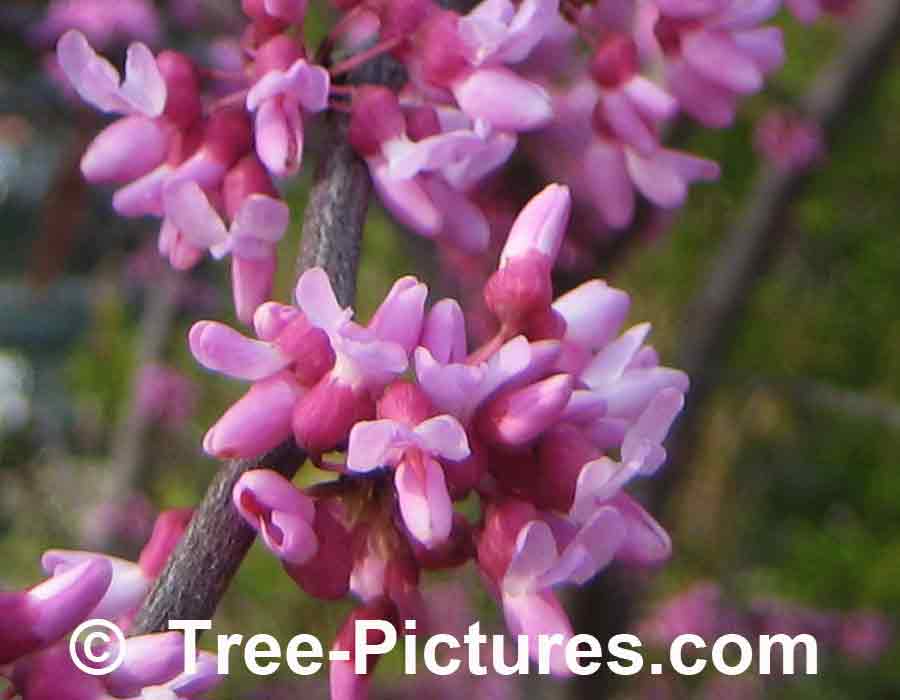
Looking for a background image of a beautiful tree to use as on your desktop computer then check out these beautiful tree pictures you can use as free tree wallpaper.
Have a really beautiful tree picture that might look good on Tree-Pictures.com, just email us your image, please include if you know which type of tree it is.
Looking for a background image of a beautiful tree to use as on your desktop computer then check out these beautiful tree pictures you can use as free tree wallpaper.
Have a really beautiful tree picture that might look good on Tree-Pictures.com, just email us your image, please include if you know which type of tree it is.
Type of Trees
Trees Pictures Translate
Tree Picture pages can be viewed in 56 languages. Select your preferred language to convert all tree picture pages!
Tree-Pictures.com Thank You
Hopefully, you found some great tree images and tree categories that you like? Best bookmark Tree-Pictures.com now, if you did not, so you can come back easily next time.
Please feel free to refer Tree-Pictures.com and our Tree Photo Library to any family, friends, & associates who could benefit .. Thank you and please do come back soon to see more great tree pictures!
Picture Sites
Pictures of Trees
Fireplace Pictures
Caribbean Pictures
Fun Tree Pictures
Gazebo Pictures
Tree Pictures
Log Home Pictures
Church Pictures
Waterfall Pictures
Dual Screen Pictures
Touch Games
Shadow Puppet Pictures
Symbolism
Job Applications
Make Hot Pictures
Tree-Pictures.com Copyright © 2006- |
Contact Tree Pictures |
Tree Pictures Privacy
All rights reserved. Reproduction in whole or in part in any form or medium without express written permission is prohibited.

Top Tree Search
Cherry Trees
Apple Trees
Maple Trees
Oak Trees
Pine Trees
Pear Trees
Willow Trees
Big Trees
Christmas Trees
Fruit Tree Photos
Nut Tree Pictures
Butternut Trees
Chestnut Trees
Horse Chestnut Trees
Hickory Trees
Oak Trees
Palm Trees
Pecan Trees
Walnut Trees
Evergreen Trees
Christmas Trees
Douglas Fir Trees
Fir Trees
Monkey Trees
Pine Trees
Spruce Trees
Tamarack Pine Trees
White Pine Trees
Flowering Trees
Flowering Cherry
Flowering Dogwood
Ginkgo Biloba Trees
Lilac Trees
Magnolia Trees
Peach Tree Pictures
Flowering Pear Tree
Flowering Plum Tree
Redbud Tree
Sassafras Trees
Deciduous Trees
Ash Trees
Birch Tree
Cherry Tree
Dogwood
Ginkgo Biloba Trees
Lilac Trees
Magnolia Trees
Maple Trees
Oak Trees
Peach Tree Pictures
Flowering Pear Tree
Flowering Plum Tree
Redbud Tree
Sassafras Trees

Christmas Trees
Ice Storm Trees